
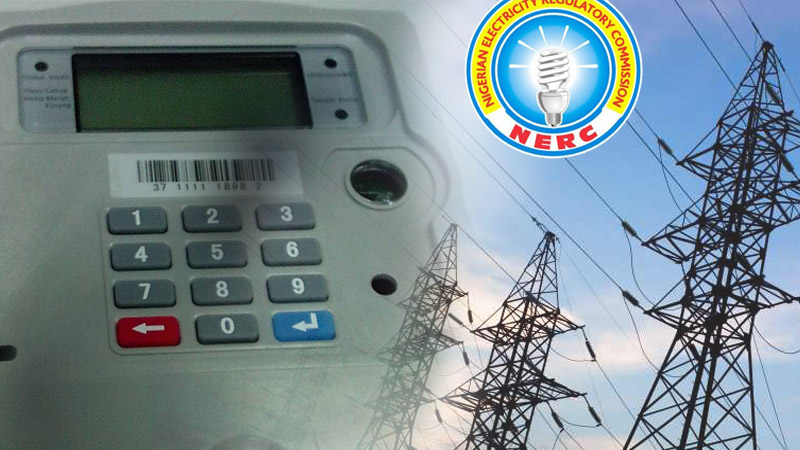
NERC stated that the new framework is designed to promote the adoption of renewable energy technologies, enhance energy security, and reliability for electricity consumers.
The Nigerian Electricity Regulatory Commission (NERC) will kick off the Net Billing Regulations 2026 to strengthen energy security and expand renewable energy nationwide.
The commission announced its plan in a public notice on Wednesday, addressed to electricity consumers, distribution companies, renewable energy developers, commercial and industrial customers, and the general public.
According to NERC, the regulations establish a framework that enables eligible electricity customers, referred to as “prosumers,” to generate electricity primarily through renewable energy sources such as solar photovoltaic systems for their own consumption while exporting excess electricity to distribution networks under a net billing arrangement.
“The Nigerian Electricity Regulatory Commission (NERC) hereby notifies electricity consumers, distribution companies, renewable energy developers, commercial and industrial customers, and the general public of the commencement of the Net Billing Regulations 2026.”
NERC further stated that the new framework is designed to promote the adoption of renewable energy technologies, enhance energy security, and reliability for electricity consumers.
Similarly, the regulators explained that the move was aimed at encouraging private sector participation in distributed electricity generation, supporting efforts to reduce greenhouse gas emissions and facilitate efficient integration of renewable energy systems into distribution networks.
To participate in the net billing scheme, the commission explained that customers must be connected to the network of a licensed electricity distribution company.
Moreover, the customers must install renewable energy systems that comply with technical standards and regulatory requirements; deploy renewable energy systems with installed capacities ranging from a minimum of 50 kilowatt peak (kWp) to a maximum of 1.5 megawatt peak (MWp).
Besides, the customers are also required to obtain approval from the relevant distribution company and execute a Net Billing Agreement and register with NERC.
The commission said interested customers are expected to apply through their distribution companies for technical feasibility assessments before approval.
“Upon approval and execution of a Net Billing Agreement, the applicant shall register with NERC in accordance with the provisions of the Regulations.”
NERC said approved participants would be provided with bidirectional net meters to measure electricity imported from and exported to distribution networks.
The commission added that surplus electricity exported to the grid would attract credits based on export tariffs approved under the regulations.
The move comes amid increasing interest in decentralised power generation and rising adoption of solar energy solutions among households and businesses seeking alternatives to unreliable grid supply.
More details here…