
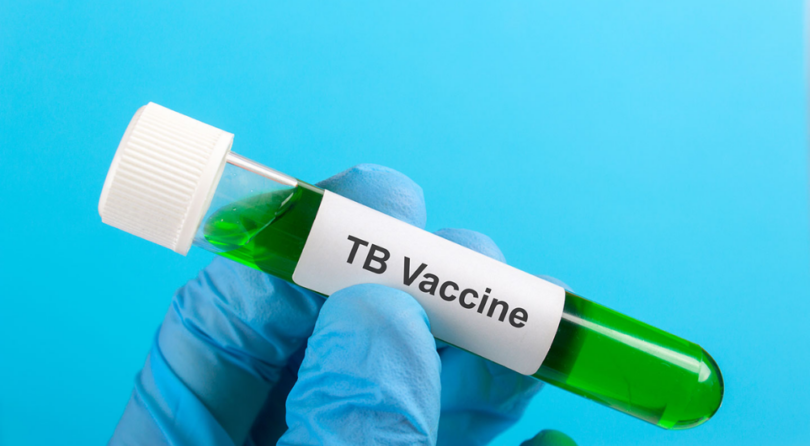
New tuberculosis (TB) vaccines expected to become available from 2029 could save up to 7.3 million lives globally between 2030 and 2050, Gavi, the Vaccine Alliance, has said, as contained in a statement issued by Gavi on Monday.
According to the alliance, the vaccines can also unlock up to 135 billion dollars in economic benefits across low- and middle-income countries.
It described the potential vaccines as one of the most impactful new immunisation tools in decades and a breakthrough in the fight against TB, the world’s deadliest infectious disease.
Gavi, however, warned that governments and vaccine manufacturers needed to begin preparations now to ensure sufficient, affordable and timely supply when the vaccines become available.
It said demand among low- and middle-income countries could reach an average of 85 million vaccination courses annually, with demand expected to be higher in the early years as high-burden countries seek to expand protection to multiple age groups.
“Novel TB vaccines could be the next blockbuster immunisation tool, however, they will only realise their potential if we can ensure sufficient, predictable and affordable supply for those countries with the highest disease burden,” Gavi Chief Executive Officer, Dr Sania Nishtar, said.
Nishtar said Gavi had begun working with partners to lay the groundwork for timely access to the vaccines and help countries secure the quantities they would need.
Gavi said an estimated 10.7 million people developed TB and 1.2 million died from the disease globally in 2024. It said the burden fell overwhelmingly on low- and middle-income countries, with Gavi-supported countries accounting for an estimated 77 per cent of all TB deaths.
The alliance noted that the only currently licensed TB vaccine, Bacille Calmette-Guérin (BCG), was more than 100 years old. It said that although BCG was effective in protecting infants and young children against severe forms of TB, its protection waned, highlighting the need for new tools to protect adolescents and adults.
Gavi said the new vaccine candidates were designed to prevent infectious pulmonary TB among adolescents and adults and could significantly strengthen existing efforts to control the disease.
It identified inadequate financing, uncertainty over demand, limited manufacturer capacity and gaps in evidence as some of the risks that could delay the introduction of the vaccines.
To address the challenges, Gavi said it would focus on ensuring sufficient, timely, affordable and sustainable vaccine supply; supporting widespread uptake through routine immunisation and targeted catch-up campaigns; and encouraging a competitive and geographically diverse pipeline of novel TB vaccine candidates.
The alliance said several high-burden countries, including some hosting vaccine trials, were already preparing for the eventual rollout of the vaccines. It added that it would continue working with partners through the WHO TB Vaccine Accelerator’s Finance and Access Working Group to support efforts to ensure rapid and equitable access to the vaccines.
Gavi said preliminary modelling by the London School of Hygiene & Tropical Medicine (LSHTM) formed the basis of the estimated 7.3 million lives that could be saved under a scenario targeting high-risk populations and adolescents through routine immunisation and targeted catch-up campaigns.
NAN reports that the modelling assumed 50 per cent efficacy against TB disease, irrespective of previous exposure, with immunity waning over 10 years.