
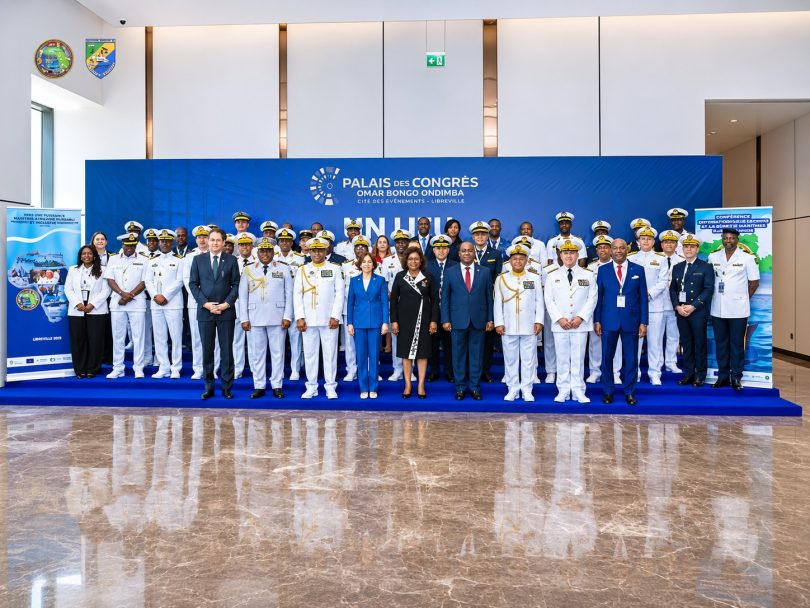
Abbas made the appeal at the 10th Symposium of Heads of Navies and Coast Guards in the Gulf of Guinea, which took place in Libreville, Gabon, between November 18 and 19, 2026.
The symposium, which brought together naval and coast guard leaders, focused on the theme ‘Towards an Integrated Regional Naval Force: Which Capabilities Should Be Pooled?’
He identified intelligence exchange, effective maritime surveillance, joint naval patrols and the sharing of air and naval platforms as key areas where participating countries could collaborate.
Abbas also called for the development of a common logistics and operational support system to ensure that regional forces could respond more effectively to maritime security challenges.
He drew attention to Nigeria’s Combined Maritime Task Force, CMTF, launched on June 1, 2026 by President Bola Tinubu, describing it as an important step towards establishing a coordinated regional security framework driven by African countries.
The CNS explained that Nigeria was prepared to contribute critical military assets to the initiative, including a helicopter-capable Offshore Patrol Vessel, one helicopter and two fast interceptor boats.
He added that the Nigerian Navy would provide maritime surveillance and intelligence support through its Falcon Eye System, alongside other strategic resources to strengthen the task force’s operational capacity.
As part of efforts to ensure the initiative becomes fully operational, Abbas proposed that member countries produce a detailed six-month implementation plan outlining their respective contributions.
He said the proposed plan should cover the allocation of military assets, deployment arrangements, intelligence-sharing mechanisms and logistics requirements to guarantee effective coordination among participating forces.
The naval chief also acknowledged that disparities in the military capabilities of member countries, funding constraints and operational challenges could affect the success of the initiative.
He, however, maintained that such obstacles could be overcome through collective responsibility, adequate financing and consistent political and military support.
Abbas stressed that the effectiveness of regional partnerships should be determined by their ability to deliver concrete security results rather than simply establishing cooperation agreements.
The Nigerian Navy reiterated its commitment to strengthening maritime security partnerships and promoting a unified operational approach among African naval forces.
It said sustained collaboration would help protect important shipping corridors, tackle maritime criminal activities and create a safer environment for trade, investment and economic development across the Gulf of Guinea.