
Food prices rise 19.67% as three major spending categories outpace 15.39% national inflation
For millions of Nigerian households, the rising cost of living is no longer an abstract economic statistic. It is showing up at the dining table, in rent and utility bills, at restaurants, and in the daily struggle to stretch household income to the end of the month.
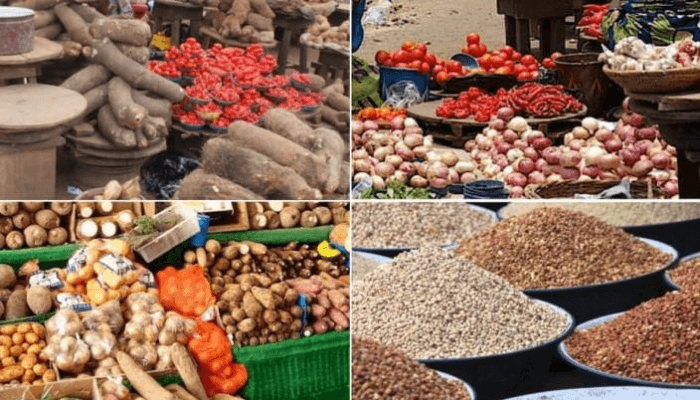
Fresh figures for August 2026 show that Food and Non-Alcoholic Beverages remained the biggest source of price pressure among Nigeria’s 13 major expenditure divisions, recording a 19.67 per cent year-on-year increase.
The figure is significantly higher than the 15.39 per cent national headline inflation rate, underscoring the disproportionate pressure facing households whose incomes are heavily committed to feeding.
Behind food came Restaurants and Accommodation Services, which rose by 18.57 per cent, while Housing, Water, Electricity, Gas and Other Fuels recorded a 16.94 per cent increase.
Together, the three categories paint a revealing picture of where the pressure on Nigerian consumers is most intense: what people eat, where they live and the cost of services associated with everyday living.
Food Still Takes the Biggest Bite
At 19.67 per cent, food and non-alcoholic beverages recorded the highest increase across all 13 divisions.
For families already devoting a substantial share of their earnings to food, another year-on-year rise means fewer options and harder choices: cheaper substitutes replacing preferred foods, smaller quantities filling shopping baskets, and households having to prioritise essentials over other needs.
The significance of the figure goes beyond the percentage itself.
Food is not a discretionary expense that can easily be postponed. Nigerians must eat regardless of whether incomes rise at the same pace as prices.
Eating Out Gets More Expensive
The 18.57 per cent increase in restaurants and accommodation services further demonstrates how inflation is spreading beyond raw food prices.
The cost of a meal bought outside the home, accommodation and related services has also climbed sharply.
For workers, students, travellers and families who depend on prepared meals, the impact can be immediate: the same amount of money buys less than it did a year earlier.
Housing and household energy costs recorded the third-highest increase at 16.94 per cent.
The division covers housing, water, electricity, gas and other fuels—expenses that are fundamental to everyday life.
With the category also exceeding the headline inflation rate, the pressure on household budgets is coming not only from the market but from the basic cost of maintaining a home.
The inflationary pressure was not limited to food and housing.
Health recorded a year-on-year increase of 12.80 per cent, while personal care, social protection and miscellaneous goods and services rose by 12.66 per cent.
Transport increased by 12.00 per cent, adding another burden for Nigerians who must commute to work, school or businesses every day.
Education services also recorded a 10.72 per cent increase, putting additional pressure on families already struggling with rising household expenses.
Other divisions recorded more moderate increases: furnishings and household equipment, 7.66 per cent; information and communication, 5.02 per cent; recreation, sport and culture, 4.59 per cent; insurance and financial services, 3.15 per cent; alcoholic beverages, tobacco and narcotics, 3.07 per cent; and clothing and footwear, 1.91 per cent.
The August figures reveal a clear pattern.
Nigeria’s cost-of-living pressure is being driven particularly strongly by categories that households cannot easily avoid.
Food is becoming more expensive. Housing and household energy are becoming more expensive. Eating outside the home is becoming more expensive. Transport, healthcare and education are also recording notable increases.
That combination means inflation is not simply changing prices—it is changing how households allocate their money.
When food takes a larger share of income, less remains for healthcare. When rent and utilities rise, families may have less available for education. When transport becomes more expensive, workers and businesses face higher daily costs.
The headline inflation figure of 15.39 per cent therefore tells only part of the story.
For the Nigerian household, the more revealing question is not simply how fast are prices rising?
It is which prices are rising fastest—and how essential are the things behind those numbers?
In August 2026, the answer was unmistakable: food, restaurants and accommodation, and housing and household energy stood at the centre of Nigeria’s cost-of-living squeeze.