Oil prices edged lower in Asian trading on Wednesday after Donald Trump raised hopes of a potential agreement with Iran to end ongoing hostilities. Brent crude, the global benchmark, fell by 1.7 per cent to $108 per barrel, while US-traded crude dropped by 1.6 per cent to $100.60, reversing part……
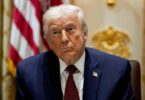
Oil prices edged lower in Asian trading on Wednesday after Donald Trump raised hopes of a potential agreement with Iran to end ongoing hostilities.
Brent crude, the global benchmark, fell by 1.7 per cent to $108 per barrel, while US-traded crude dropped by 1.6 per cent to $100.60, reversing part of earlier gains driven by escalating tensions in the Middle East.
The decline followed comments by Trump indicating that the United States would pause “Project Freedom” — a military-backed operation designed to guide ships through the strategic Strait of Hormuz — to allow room for negotiations.
The strait, which handles about a fifth of global oil and gas shipments, has been at the centre of recent tensions after Tehran threatened to target vessels in response to US-Israeli strikes that began on 28 February.
Trump said on social media that the pause would last “a short period of time” to determine whether a “Complete and Final Agreement” could be reached with Iranian representatives, adding that “great progress” had been made in talks.
Despite the diplomatic signal, the US will continue to block vessels linked to Iranian ports, a move aimed at maintaining economic pressure on Tehran.
Analysts say the pause suggests a willingness by Washington to return to diplomacy, though uncertainty remains. Charu Chanana, an investment strategist at Saxo Bank, noted that while the move is encouraging, it does not yet signal a decisive shift.
“The key question for oil traders is whether this leads to real progress in reopening trade through the Strait of Hormuz,” she said, adding that there is little concrete evidence so far.
Oil prices had surged by more than six per cent earlier in the week amid heightened attacks across the region, but have since eased as markets reacted to the possibility of de-escalation.
US Secretary of State Marco Rubio also indicated that the initial phase of US-Israeli operations in Iran had concluded, stating that Washington’s objectives had been achieved.
“We would prefer the path of peace. What the president would prefer is a deal,” Rubio said.
Iran has yet to formally respond to the latest US remarks.
However, its parliamentary speaker, Mohammad Ghalibaf, signalled defiance, saying the current situation remains unacceptable for the United States and that Iran’s response is only beginning.
Tensions in the region have tested a conditional ceasefire announced on 8 April, with both sides accusing each other of provocations, including reported attacks on vessels and oil infrastructure.