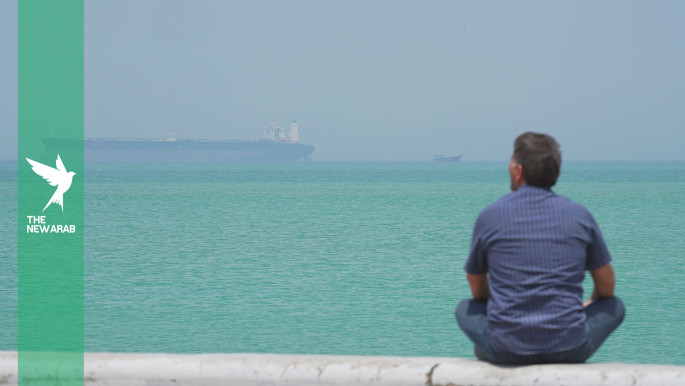
A container ship navigates the Strait of Hormuz on 28 April 2026 near Qeshm Island, Iran. [Getty]
Oil prices hit their highest levels in more than three weeks on Wednesday as reports that the US is planning an extended blockade of Iran heightened anxieties about the deepening global energy crisis.
The price of Brent rose as much as 3.7 percent to surpass $115 a barrel for the first time since the US and Iran announced the ceasefire on 6 April. US crude jumped more than 4.5 percent to exceed $104.
The moves came on the heels of a report in The Wall Street Journal that said the Trump administration is preparing for a prolonged blockade in the Strait of Hormuz, raising fears that the strategic waterway may remain shuttered for weeks to come.
Iran has vowed to continue to choke shipping through the strait until the US lifts the blockade on its ports.
Oil prices have gyrated wildly since the US and Israel launched their attack on Iran on 28 February.
Retaliatory attacks by Iran across the Gulf have prevented ships from transiting the strait, which before the war carried a fifth of the world’s oil and liquefied natural gas.
Oil prices surged to their highest levels in more than three years in March but fell back after the ceasefire raised hopes of a deal to resume traffic through the strait.
But global benchmarks have been steadily rising in recent days as the ongoing standoff between the US and Iran shows no sign of being resolved.
Tehran has ruled out re-opening the strait until the US lifts the blockade, which Washington refuses to do until a peace deal is reached. Efforts by Pakistan to arrange a second round of peace talks are yet to bear fruit.
The deadlock means that shipping through the strait has been at almost a complete standstill for nearly 10 weeks, creating what the International Energy Agency has described as the worst energy crisis in history.
US officials told The Wall Street Journal cited that Trump had instructed aides to prepare for a prolonged blockade in a bid to increase pressure on Tehran to make a deal.
The US president has opted to try and push Iran’s economy towards collapse over negotiating a deal to quickly end the war. He also has not ruled out returning to war if Iran refuses to re-open the strait.
The World Bank said on Tuesday it expects energy prices to surge 24 percent this year if disruptions in the strait end in May. Prices could rise still further if the war resumes or the waterway remains closed longer than expected.
The crisis has been most keenly felt in Asia, which is heavily dependent on Middle East oil and gas. Many countries in the region announced emergency measures early on in the conflict to address shortages of refined fuels.
But the disruption is increasingly being felt in the US, with average gasoline prices hitting their highest levels in four years on Tuesday.