
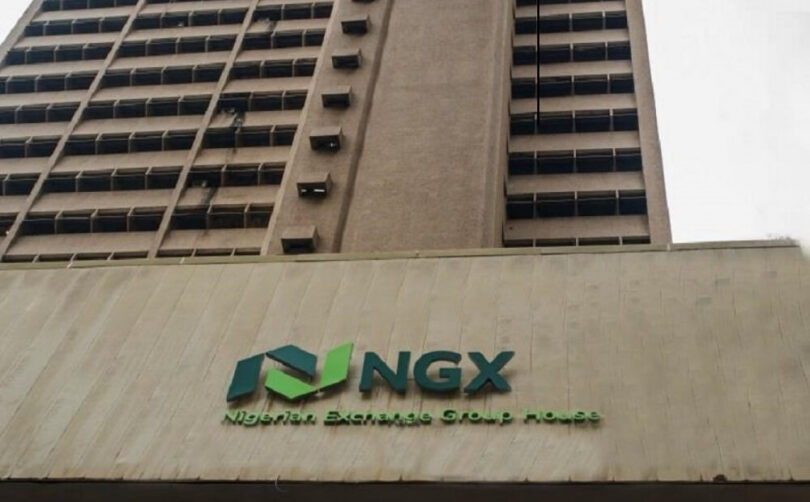
The decision by Nigerian Exchange Limited to extend its trading hours is a commendable and forward-looking reform that aligns Nigeria’s capital market with evolving global standards. It is pertinent to note that in several advanced and emerging jurisdictions such as the United States, where exchanges like the New York Stock Exchange operate for extended hours and markets across Europe with similarly long trading windows, longer trading periods have consistently supported deeper liquidity, better price discovery, and improved investor participation.
When you also look at other dynamic frontier and emerging markets such as the Johannesburg Stock Exchange, which trades from 9 a.m. to 5 p.m., or the Bombay Stock Exchange, which operates from 9:15 a.m. to 3:30 p.m, it becomes clear that a truncated trading day limits ambition.
These jurisdictions have long understood that longer trading windows attract deeper pools of foreign portfolio investment and allow for better price alignment with global events. So, by shifting from a 9:30 a.m to 2:30 p.m schedule to a full 9:00 a.m to 4:00 p.m window, the NGX is finally aligning itself with global best practice.
In terms of its significance, it is a positive development. First, the extension enhances price discovery. With our current equities market capitalization sitting comfortably above N140tn and year-to-date returns exceeding 35 per cent, the market is already on a strong footing. A longer session means that news flow- whether it is an early morning policy announcement by the CBN or a midday earnings release- can be immediately priced in, rather than forcing investors to wait for the next day’s open. This reduces the kind of overnight gap risk that often frustrates traders. Second, it broadens access for the average Nigerian worker who cannot place a trade during a lunch break that falls after 2:30 p.m. Now, the retail investor has until 4 p.m. to react.
From an impact perspective, the likely outcome is a gradual deepening of liquidity and a broadening of participation Liquidity should improve noticeably because overlapping trading hours with major European and even early US sessions will allow for more real-time hedging and arbitrage. More trading time typically translates into higher volumes, tighter bid-ask spreads, and more accurate price formation.
This is particularly relevant given Nigeria’s recent recognition by FTSE Russell as a Frontier Market, which places the country more firmly on the radar of global portfolio investors.
We are already seeing a more diversified product landscape- equities, bonds, ETFs, commercial paper, and even early-stage derivatives- so a longer session gives these products the airtime they need to mature. Overall, the extended hours will make the NGX more accessible to international investors operating in different time zones, thereby enhancing cross-border capital flows. Additionally, it could stimulate greater activity in fixed income and derivative instruments, supporting the Exchange’s ambition to evolve into a truly multi-asset marketplace.
That said, I must acknowledge that longer trading hours are not without risks. There is the potential for increased market volatility, particularly during the newly added early and late trading periods when liquidity may initially be thinner. Operational risks may also arise, including system strain, surveillance challenges, and the need for market participants to adjust their internal processes and risk management frameworks.
Indeed, research has shown that extended hours increase operational demands on trading firms, broker-dealers, and the exchange’s own technology infrastructure. There is also the risk of afternoon fatigue leading to impulsive trades if market makers are not adequately capitalized to support the extra hours.
This is where the roles of NGX Regulation Limited and the Securities and Exchange Commission become even more critical. Both institutions must intensify market surveillance to detect and deter manipulative practices, especially during extended hours. There should also be continuous monitoring of liquidity patterns and volatility dynamics to ensure orderly market behavior. Investor education will be essential, as participants need to understand the implications of trading in different sessions.
Furthermore, robust technological infrastructure and contingency systems must be maintained to handle the increased operational demands. I also expect the NGX Reg Co to issue clear guidelines on market maker obligations during the final hour to prevent any artificial widening of spreads.
And the SEC, for its part, should mandate a public post-implementation review after the first three months, looking specifically at volatility patterns and investor complaints.
In sum, this reform is a positive and strategic step that reinforces the NGX’s positioning as a modern, globally competitive exchange. If well managed, it will not only deepen liquidity and improve market access but also strengthen Nigeria’s overall financial ecosystem and its capacity to support sustainable economic growth.