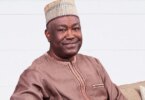
The Independent National Electoral Commission, INEC, has called on media practitioners in Osun State to support efforts to curb the spread of fake news ahead of the August 15 governorship election.
The appeal was made on Tuesday in Osogbo by the Osun State Resident Electoral Commissioner, Mrs Oluwatoyin Babalola, during a programme titled “The Journalists-INEC Voter Education and Publicity Dialogue on the 2026 Osun State Governorship Election.”
The event was organised by the European Union Support to Democratic Governance in Nigeria programme in collaboration with the INEC headquarters as part of preparations for the forthcoming poll.
Addressing journalists and media stakeholders, Babalola stressed the importance of the media in safeguarding the credibility of the electoral process through accurate and responsible reporting.
She said the media remained a critical partner in voter education, information dissemination and public enlightenment, particularly as the election date draws nearer.
Babalola warned that misinformation and disinformation posed significant threats to credible elections in the digital era, noting that false narratives and manipulated content could erode public confidence in the democratic process.
“As we move closer to this important date, the role of the media as a partner in voter education, information dissemination, and public enlightenment cannot be over-emphasised,” she said.
She added, “One of the greatest threats to credible elections in this digital age is the spread of disinformation and misinformation. False narratives, fake results, doctored videos, and malicious propaganda have the capacity to undermine public confidence in the electoral process, incite violence, and delegitimise outcomes.”
The REC urged journalists to verify information before publication and actively challenge false reports with factual and balanced coverage.
“We must therefore work together to build a robust defence against these threats. The media must serve as gatekeepers of truth, verifying information before dissemination and countering falsehoods with factual reporting,” Babalola stated.
She also reaffirmed INEC’s commitment to providing timely, accurate and verifiable information through its official communication channels, urging journalists to rely on those platforms and collaborate with the commission in addressing misleading reports.
According to her, “the dialogue provided an opportunity for INEC and media organisations to develop creative, culturally sensitive and accessible voter education strategies capable of reaching residents in languages and formats they easily understand.”
Earlier, the Executive Director of the Centre for Media and Society, Dr Akin Akingbulu, called on journalists to uphold their responsibility of educating citizens about their roles before, during and after the election while also scrutinising campaign promises and monitoring the commission’s readiness for the poll.
Akingbulu said media practitioners should not remain passive observers, adding that they must “reflect, interrogate, and rank. And your perspectives will reach further than you may expect.”