
EBERE UZOUKWA, PhD
In politics, endorsements are often driven by party loyalty, ethnic affinity or electoral calculations. Occasionally, however, an endorsement transcends politics and becomes a referendum on leadership itself. Such was the significance of the decision by Imo-indigenes resident in Abia State to unanimously endorse Governor Alex Chioma Otti, OFR, for a second term in office. Their endorsement was not merely a gesture of solidarity; it was a recognition of a governor whose inclusive leadership has dismantled barriers of discrimination, restored confidence in governance and demonstrated that the true measure of leadership lies not in where people come from, but in how fairly and faithfully they are governed.
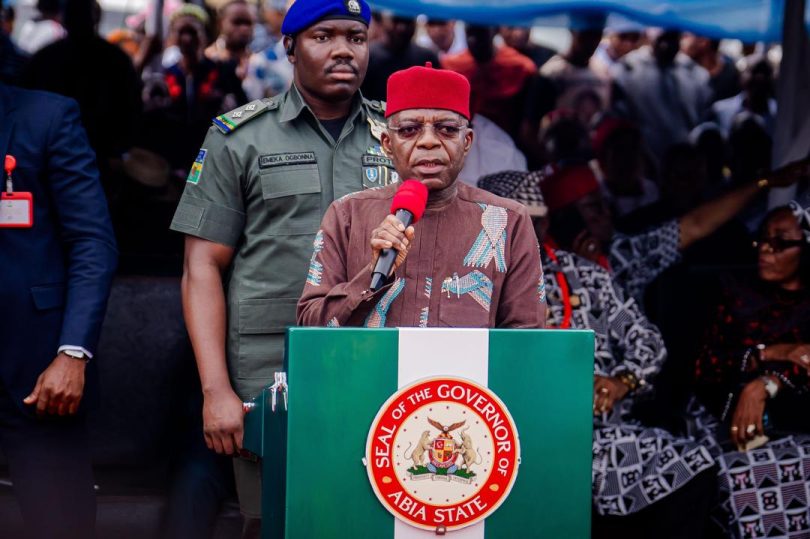
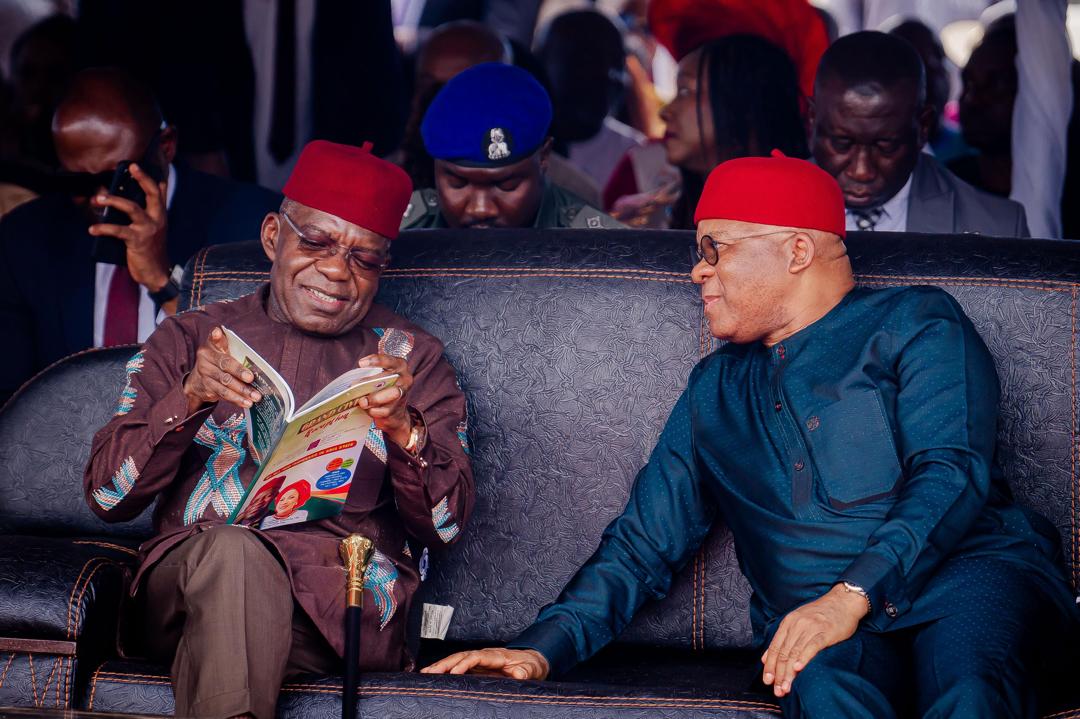
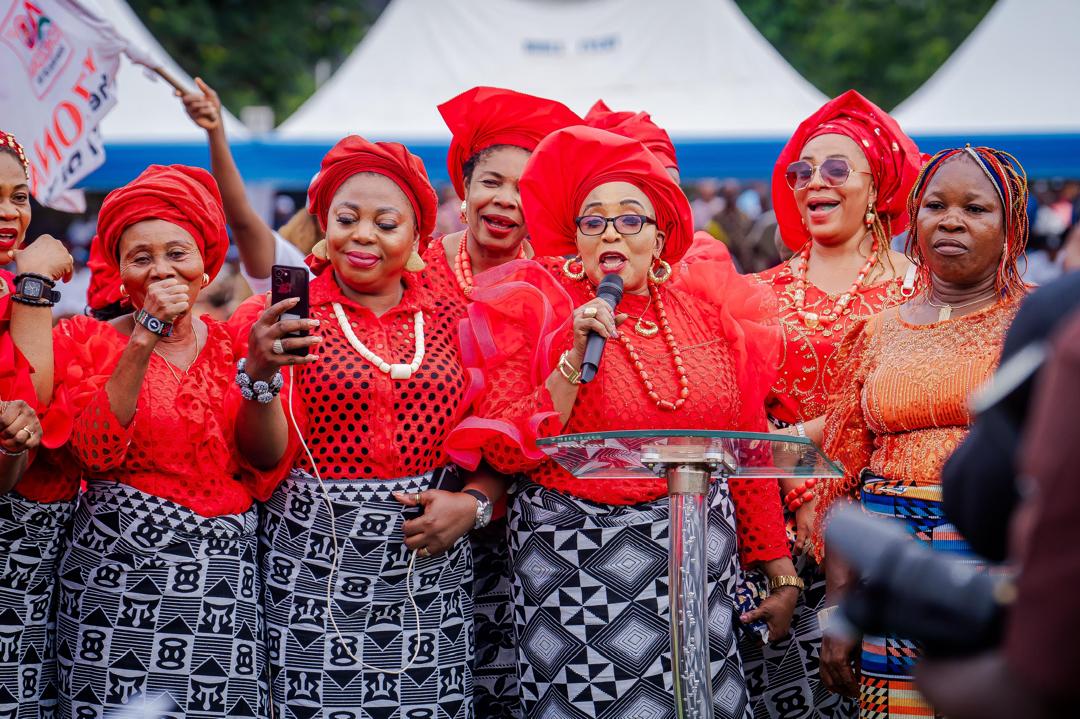
The endorsement came during a grand civic reception organised by Ndi Imo in Abia in honour of Governor Otti and his wife, Lady Priscilla Otti on Wednesday, 15th July, 2027, at Ogbonnaya Onu Polytechnic, Aba. It was a remarkable demonstration of appreciation by a people who acknowledged that the administration has transformed Abia through purposeful governance, while fostering an atmosphere of unity, equity and shared prosperity for all residents.
In his response, Governor Otti reaffirmed the philosophy that has become the defining character of his administration. He declared that “there is no State of Origin in Abia State,” assuring the gathering that his government would continue to implement policies and execute projects that benefit everyone, irrespective of where they come from. That simple but profound declaration captures a leadership style that places justice above ethnicity and service above sectional interests.
For many years, the unfortunate distinction between “indigenes” and “non-indigenes” denied many Nigerians opportunities in states they had long called home. Governor Otti has deliberately departed from that divisive tradition. By abolishing the discriminatory “non-indigene” policy, his administration has embraced a governance model built on equality, fairness and shared citizenship. Today, every Nigerian who lives, works and contributes to the development of Abia is regarded as a stakeholder in the state’s progress.
His commitment to inclusiveness is perhaps most evident in his directive concerning workers disengaged by previous administrations on the basis of the so-called “non-indigene” policy. Rather than ignore their plight, Governor Otti directed that those affected be verified, their entitlements computed and their legitimate benefits paid. Significantly, he clarified that the decision was not intended for any particular ethnic group but for everyone affected, whether from Imo, Anambra or any other part of Nigeria. It was another demonstration that justice, not ethnicity, defines his administration.
This philosophy has equally shaped the developmental trajectory of Abia State. Over the past three years, the state has witnessed an unprecedented infrastructure revolution through massive road reconstruction, urban renewal, improved environmental sanitation, flood control, enhanced security, reforms in education, healthcare, transportation, agriculture and power. These initiatives have restored confidence in government, stimulated economic activities and made Abia one of the most attractive destinations for investment and enterprise in Nigeria.
Importantly, the dividends of this transformation are enjoyed not only by Abia indigenes but by every resident. Traders, professionals, artisans, investors and entrepreneurs from Imo, Anambra, Ebonyi, Rivers, Akwa Ibom and every other part of Nigeria now operate in a more secure, accessible and business-friendly environment. Governor Otti’s administration has demonstrated that development achieves its greatest value when it benefits everyone without discrimination.
It is therefore unsurprising that Imo-indigenes have become one of the strongest voices supporting Governor Otti’s second-term bid. Their endorsement reflects more than admiration for completed projects. It is an affirmation of a leadership that has restored dignity to governance, promoted unity among Ndigbo, strengthened the bonds of national integration and proved that diversity is a source of strength rather than division.
As the journey towards 2027 gathers momentum, the endorsement by Imo indigenes carries a lesson that extends beyond Abia. It demonstrates that when leaders govern with integrity, fairness, competence and inclusiveness, they earn the confidence of the people regardless of ethnicity, religion or state of origin. Governor Alex Chioma Otti’s enduring legacy may ultimately be not only the roads, schools, hospitals and other infrastructure he is building, but also the culture of inclusion he is institutionalising. That, more than anything else, explains why Imo indigenes in Abia and many other Nigerians who proudly call the state home are rallying behind his re-election in 2027.
– Dr. Ebere Uzoukwa is the Senior Special Assistant to the Governor of Abia State on Public Affairs.