
In early April, Hamid Ali Shah was ordered by his employer, Etihad Rail, the operator of the United Arab Emirates’ national railway network, to report to the police. The civil engineer was questioned for several hours, held in detention for several days, and then deported to his homeland, Pakistan.
I was on duty when I got the call, Shah told RFE/RL. After two hours of questioning, I was bundled into a van along with 13 others and taken to an immigration detention center. On April 6, I was put on a flight and deported from the UAE.
Shah is among the thousands of Pakistanis who have been deported by the UAE since the United States and Israel launched a bombing campaign of Iran on February 28, according to a Pakistani lawmaker and media reports in the South Asian country.
Many of them are Shiite Muslims, a religious minority in Sunni-majority Pakistan, where they number around 35 million people. The community has ties with Iran, the worlds largest Shiite-majority country.
SEE ALSO:
Qatar Says US-Iran Negotiations Need More Time
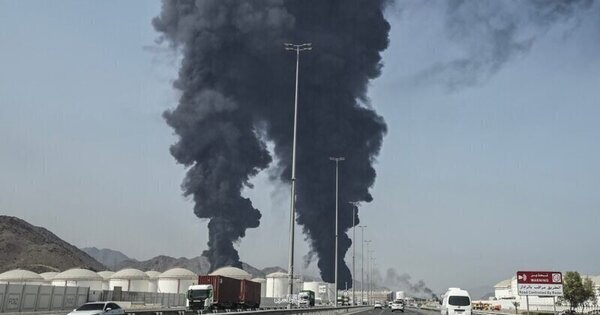
In response to the war, Iran fired hundreds of drones and missiles at its neighbors in the Persian Gulf, including the UAE, an ally of the United States and Israel that has borne the brunt of Tehrans retaliation.
Pakistan, a key mediator in efforts to end the war, has been a longtime ally of the UAE. But there has been tension as Islamabad deepens its alliance with Saudi Arabia, a rival of Abu Dhabi.
The UAE is home to an estimated 2 million Pakistani migrant workers. The billions of dollars in remittances they send back home every year keep thousands of impoverished families afloat in Pakistan, which has grappled with an economic crisis in recent years.
UAE-based Pakistani Shia appear to have become the scapegoat for the worsening tension between the UAE and Pakistan, said Michael Kugelman, senior fellow at the Atlantic Council, a Washington-based think tank.
There is also a perception in the UAE that Pakistan is simply getting too close to Iran and becoming too sympathetic to it, especially as Pakistan jockeys to mediate in the war and tries to project itself as a neutral mediator, added Kugelman.