In every election cycle, nations are called upon to answer a simple but consequential question: what kind of leader does the moment demand?
For Nigeria, that question has taken on added urgency. The country continues to grapple with terrorism, banditry, kidnapping, communal violence, economic hardship, and a growing sense of public frustration. Nigerians are not merely searching for a President; they are searching for a leader capable of navigating one of the most difficult periods in the country’s history.
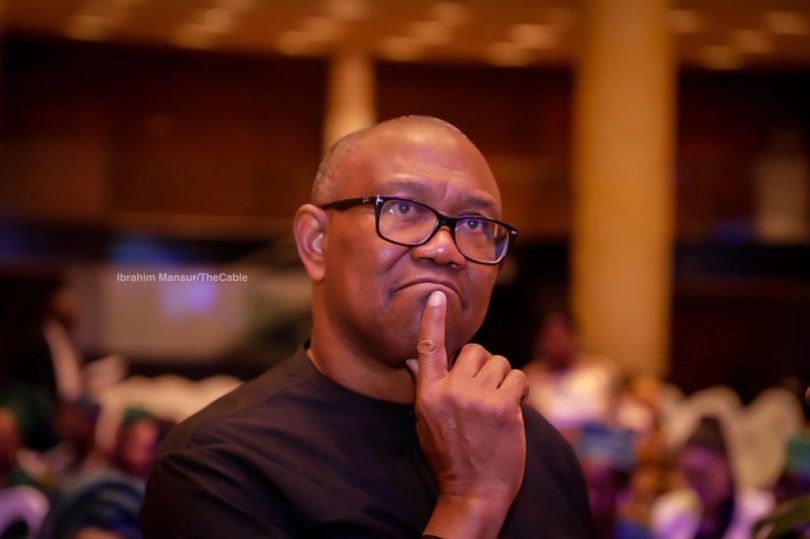
Among those seeking to occupy that office is Mr. Peter Gregory Obi, the presidential candidate of the National Democratic Congress (NDC). Over the years, Obi has cultivated an image that many politicians would envy. He is widely regarded as prudent, disciplined, and personally incorruptible. Even many of his critics concede that allegations of personal enrichment and corruption, so common in Nigerian politics, have not defined his public reputation.
In a country weary of corruption scandals, that is no small achievement.
Yet the presidency demands more than personal integrity. It requires leadership of a particular kind, especially at a time when the nation faces threats that test the very authority of the state.
This is where doubts about Peter Obi persist.
Among a segment of the electorate, Obi is perceived as a politician whose greatest strength—his preference for consensus and accommodation—may also be his greatest weakness. Throughout his political journey, he has often emerged through arrangements built around consensus and broad agreement. Critics argue that whenever the prospect of a fiercely contested primary election looms, Obi appears more comfortable seeking political platforms where consensus, rather than direct internal competition, can secure his candidacy.
Whether that perception is entirely fair is open to debate. Politics is, after all, the art of strategy. There is nothing inherently wrong with building coalitions or seeking consensus. Indeed, successful democracies depend on compromise and negotiation.
The concern raised by critics, however, goes beyond political tactics. It speaks to a deeper question of temperament.
Nigeria today is not confronting ordinary challenges. Armed insurgents are not persuaded by consensus. Kidnappers do not negotiate in good faith. Terrorist organizations are not deterred by speeches alone. Criminal networks thrive where the authority of the state appears weak or indecisive.
Many Nigerians therefore believe the country requires a President who combines integrity with unmistakable firmness—a leader capable of taking difficult decisions, standing by them, and confronting threats without hesitation.
For such voters, the issue is not whether Peter Obi is a decent man. The issue is whether he possesses the political toughness and commanding presence required for this particular moment in Nigeria’s history.
Leadership should never be confused with aggression. A strong leader is not necessarily the loudest voice in the room. Nor should firmness be mistaken for authoritarianism. Yet history demonstrates that periods of national crisis often demand leaders who can inspire confidence through decisive action and project authority when circumstances require it.
Supporters of Obi strongly reject the suggestion that he lacks those qualities. They argue that discipline, competence, and sound judgment matter more than displays of bravado. They point to the failures of past leaders who projected strength yet delivered poor governance. In their view, Nigeria’s problems stem less from a shortage of strong personalities than from a shortage of accountable leadership.
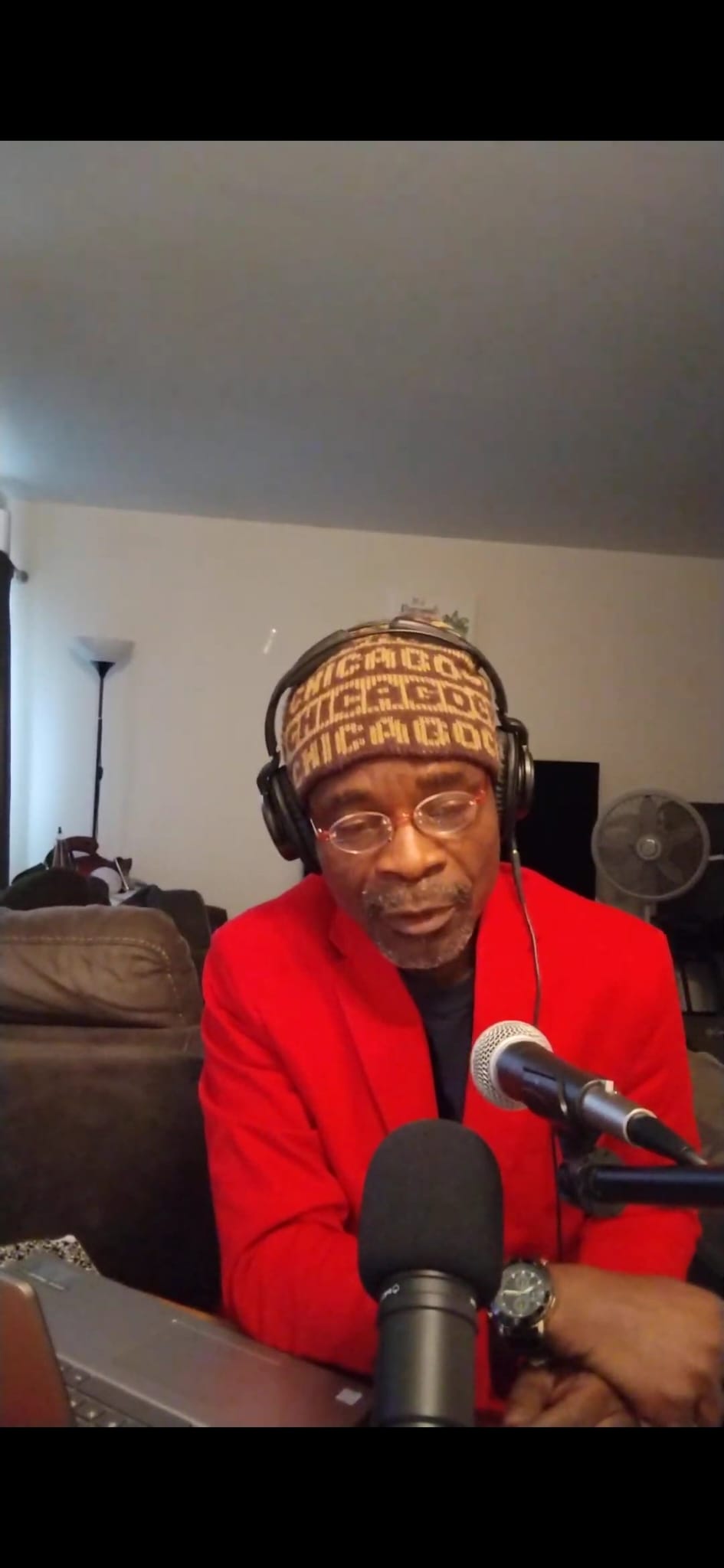
Victor Orhorhoro
That argument deserves serious consideration.
Nevertheless, elections are as much about perception as they are about policy. In politics, voters often assess not only what a candidate says, but also how they believe that candidate will respond when confronted with a national emergency. Fairly or unfairly, many Nigerians continue to question whether Obi’s leadership. Kenneth Okonkwo, one time ally of Peter Obi, reportedly stopped supporting him because he lacked firmness required of one lead a country like Nigeria. Obi according to him, is too soft for leadership at the centre. Rather than assert himself during a crisis in his former Labour Party, Obi defected to the again to the ADC, he also left for the NDC when it was clear he’d have to go through the rigours of a primary election.
The big question is, can Obi stand up to Trumpian jingoism? This and many more questions need convincing answers from the Obi camp.
*Victor Orhorhoro writes from Canada