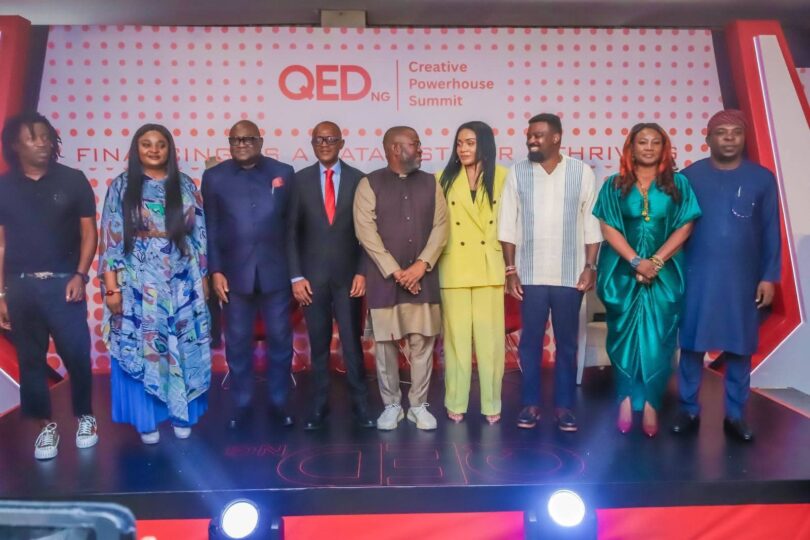
The 2026 edition will feature keynote speeches, panel discussions and curated sessions focusing on innovation, financing, growth opportunities and the global positioning of Nigerian creative talent.
The second edition of the QEDNG Creative Powerhouse Summit is set to hold on 11 August in Lagos, as stakeholders across Nigeria’s creative and business sectors prepare to discuss strategies for strengthening the country’s fast-growing creative economy.
The QEDNG Creative Powerhouse Summit is part of the effort to bring clarity, direction and serious engagement to that growth.
The 2026 edition will feature keynote speeches, panel discussions and curated sessions focusing on innovation, financing, growth opportunities and the global positioning of Nigerian creative talent.
The event comes amid renewed attention on Nigeria’s creative industries, which are estimated to be worth over $30 billion, driven by the global rise of Nollywood, Afrobeats, and digital content creation.
Founder of QEDNG, Olumide Iyanda, said the summit is designed to move beyond discussions to tangible outcomes that can shape the sector.
“This summit is designed as a meeting point for ideas, influence and execution. It is not just about conversations, but about outcomes that strengthen the creative economy,” he said.
Organisers say the long-term objective is to establish a sustainable platform that connects stakeholders, documents industry progress and contributes to policy development.
Mr Iyanda noted that the inaugural edition attracted leading figures from across industries, showing growing interest in structured engagement within the sector.
Participants included Udeme Ufot, group managing director of SO&U, who chaired the event, and Nkiru Balonwu, founder of The Africa Soft Power Group, who delivered the keynote address.
Other contributors were filmmaker Kunle Afolayan, Mike Dada of the All Africa Music Awards (AFRIMA), and Shaibu Husseini, executive director of the National Film and Video Censors Board (NFVCB), who shared insights on the future of Nigeria’s creative economy.
“The first edition showed that there is a strong interest in serious engagement around the creative economy. We had contributions from experienced voices who helped set the tone for the kind of platform we are building,” Mr Iyanda said.
He added that the summit’s timing is significant as Nigeria’s creative sector continues to expand globally, even as local frameworks struggle to keep pace.
“Nigeria’s creative sector has grown in visibility, but the structures that support it are still evolving.”