Arizona authorities have confirmed that the human remains found in December belong to a man who vanished while hiking the Grand Canyon nearly 15 years ago.William Anthony Ott, 65, had set out on a three-week solo hike in a remote area of the Hualapai Indian Reservation in April 2012, according to the Missing and Unidentified Persons System (NamUs). He was due back on 28 April but never returned. Twelve days later, a missing report was filed. Authorities, including the National Park Service and the Arizona Department of Public Safety, launched search parties, but they could not find him.
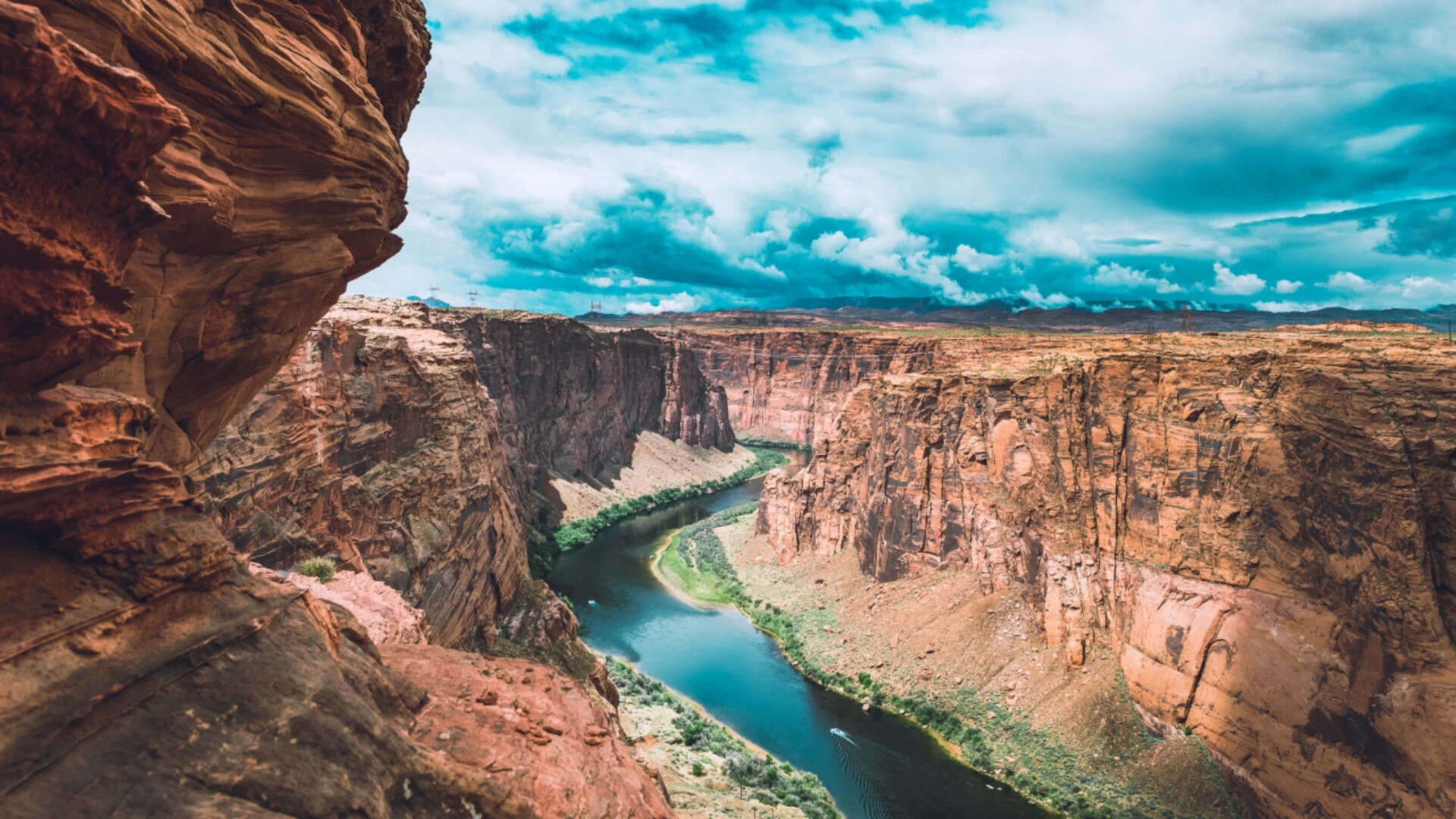
In December 2025, members of the Hualapai Tribe found human remains near a trail at the base of a 15-foot cliff. They found the remains in the general area where the original search had taken place. The remains were turned over to the Coconino County Sheriff’s Office and then to the Medical Examiner’s Office, where DNA analysis was ordered. Teaming up with the Arizona Department of Public Safety, the authorities confirmed that the remains belonged to Ott. “On 1 July 2026, DNA testing by the Arizona Department of Public Safety confirmed that human remains discovered in December 2025 were those of William Ott, a hiker who disappeared in the Grand Canyon in May 2012,” the Sheriff’s Office said in a press release.
A life spent chasing ancient art
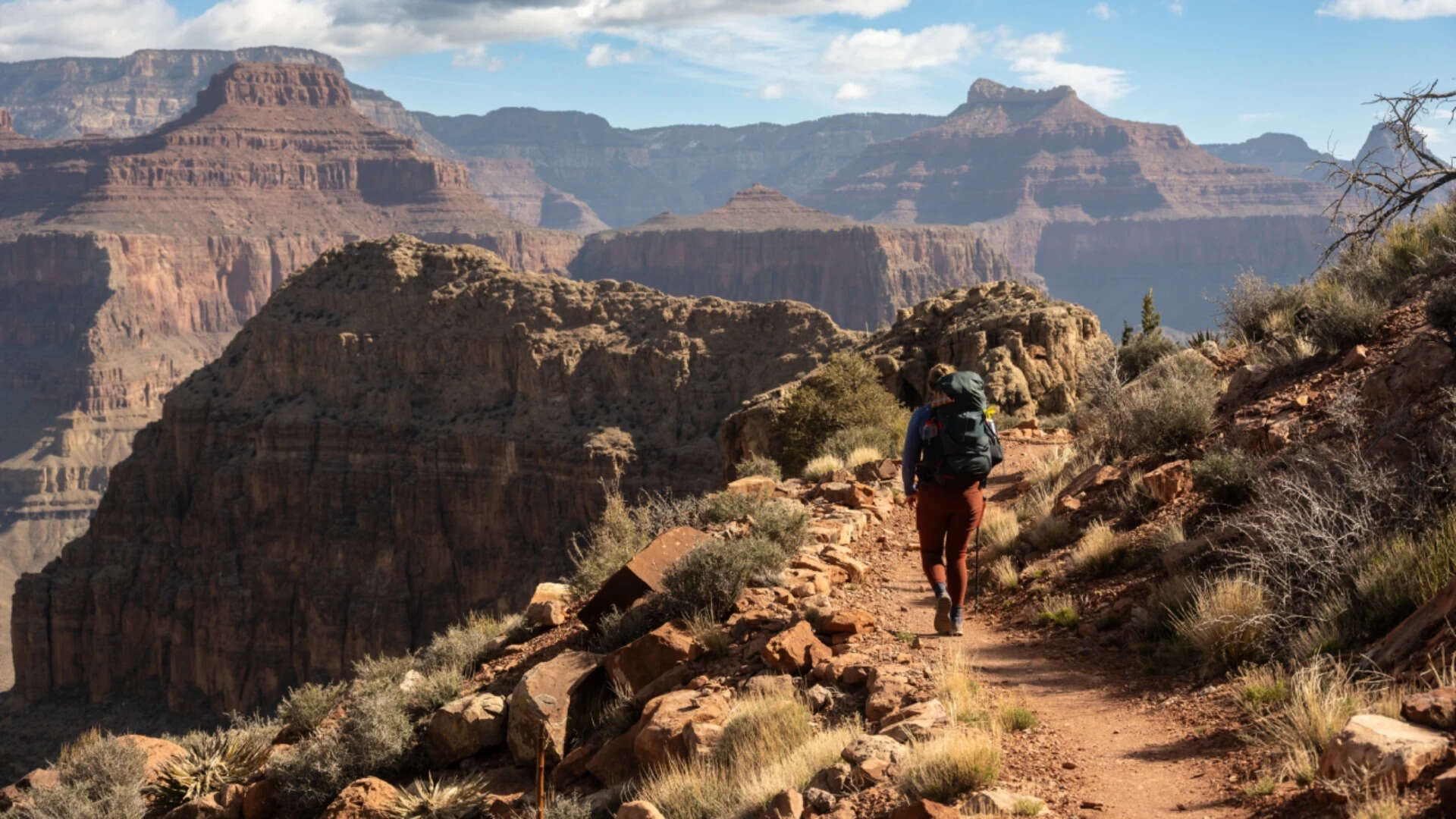
Ott was not a casual hiker. Scott Thybony, his friend who took part in the original search, called him an ‘experienced hiker’ in 2017, KNAU reported. He also added that Ott “spent 78 days walking the length of the Grand Canyon in 1981, becoming the first to complete the traverse on the north side.”What drew him back to the canyon year after year was his obsession with prehistory. He was in search of thousand-year-old rock panels on the Hualapai Indian Reservation. Pictures from the past suggest that he had spent years chasing, photographing, and digitally recreating this rock art. “Several times Ott had stopped by my office to talk about his passion, a style of otherworldly rock art painted thousands of years ago. The multi-coloured pictographs fascinated him, and being hard to find and even harder to reach added to the attraction,” Thybony told KNAU.
Thybony, an anthropologist, told Outside that Ott had been living off the grid long before he vanished. He sold all his possessions and built a cabin with his own tools in Cave Junction, Ore. He would return to Arizona about once a year to run the river and seek out ancient rock art.The remains discovered in December included his daypack, which held personal items that helped piece together his final moments. Officials, however, have not yet shared a cause of death.The Sheriff’s Office expressed gratitude to the Hualapai Tribe for locating and recovering the remains and also appreciated the agencies that participated in the original search efforts.