
Adedayo Akinwale in Abuja
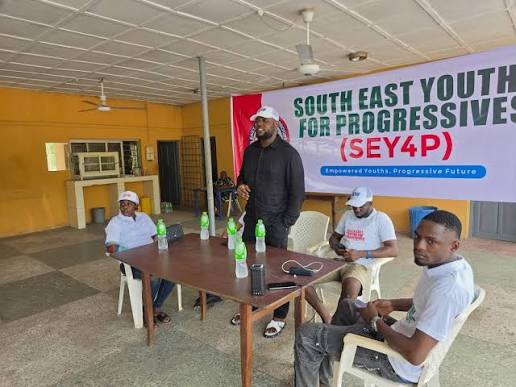
A new report released by South East Youth for Progressives (SEY4P) has revealed that historical political alignments and long-standing regional political culture has continued to shape anti-All Progressives Congress (APC) sentiment among young people in the South-east.
The Research Coordinator/Chairman, SEY4P, Ugah Chukwuemeka, said the report released yesterday which was conducted between March and May 2026, surveyed 12,480 respondents across 29 universities and nine polytechnics located in Abia, Anambra, Ebonyi, Enugu, and Imo states.
He explained that participants included undergraduate students, young graduates, entrepreneurs, job seekers, NYSC members, and first-time voters between the ages of 18 and 35.
Chukwuemeka said the report revealed that several factors continue to shape negative perceptions of the APC among South-east youths.
He noted, “The findings show that 34 per cent of respondents believe the South-east remains politically marginalised at the national level.
“Twenty-seven per cent cited worsening economic hardship, unemployment, inflation, and declining living standards as the primary reasons for losing confidence in the ruling party.
“Sixteen per cent admitted that their political opinions are heavily influenced by negative social media narratives and online conversations surrounding the APC.
“Eleven per cent said historical political alignments and long-standing regional political culture continue to shape anti-APC sentiment among young people.
“Eight per cent believe the APC has failed to maintain consistent grassroots youth engagement and sustained interaction with young people across the region.
“Four per cent identified unresolved education and welfare concerns, including student hardship, insecurity, and limited access to opportunities, as contributing factors.”
The report warned that failure to urgently reconnect with South-east youths could deepen political distrust and create long-term voter resistance among a generation that is becoming increasingly influential in determining political outcomes.
According to the findings, many young people do not necessarily oppose the APC because of detailed policy disagreements. Rather, their views are often shaped by feelings of exclusion, lack of visible opportunities, limited representation, and the perception that government initiatives do not directly impact their lives.
The report also observed that a significant number of respondents struggle to identify specific government programmes that have positively affected them or their immediate communities.
The report noted that this has created a situation where political opinions are increasingly formed through secondary sources rather than personal experience.