
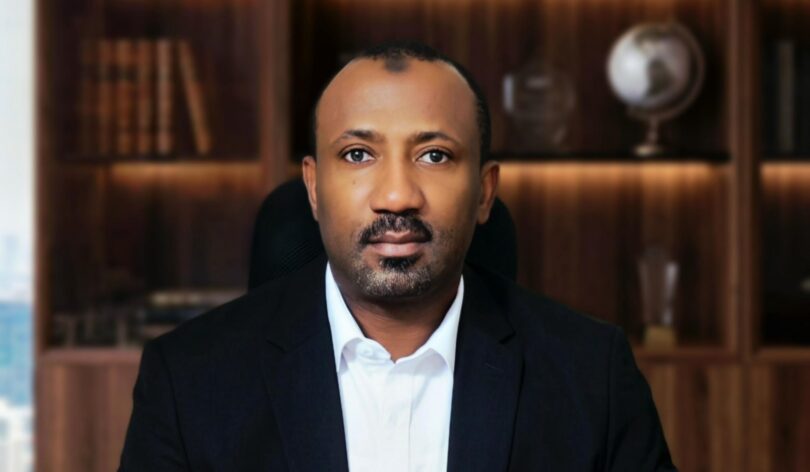
The book, authored by Umat Yakubu, Ph.D, leverages enduring and transcendental Islamic principles as the ethical frame for engaging with the challenges of service, leadership and followership in the country.
A reading, signing and interactive conversation on PT Books recently published The Muslim Public Servant in Nigeria: Integrity, Justice and the Sacred Trust of Office is scheduled to hold between 4. p.m. and 6 p.m. on Thursday, 17 September at Roving Heights Book Store, City Centre Mall, Abuja.
The book examines what it means to serve humanity – and no less Nigeria – with integrity, competence, justice, and accountability.
While tackling systemic issues, with Nigeria as a peculiar point of reference, even as its lessons reverberate through much of the human experience, the book speaks to concerns around corruption, abuse of office, nepotism, incompetence, and the misuse of public resources.
At the core of the book is the Islamic concept of amanah or trust, which presents public office as a moral responsibility that needs to be discharged for the utmost good of citizens and upliftment of society, contrary to pervasive and perverse manifestation in the privatisation of public resources and goods by a privileged few with access. It is essentially about the recovery of integrity in public affairs as a necessity, which in itself is a crucial act of worship of the Almighty.
In making a case for the recovery of integrity through the rebuilding of trust in society, Mr Yakubu examines the realities of public service in Nigeria, which have evinced the key pathology of corruption/self-seeking, that has equally spawned a malicious entourage comprising incompetence, nepotism, tribalism, conflicts of interest, and the misuse of public resources, alongside disorders including vote buying, etc.
These are ills requiring collective exorcism, the procedure to which the book eloquently lays out. A vital aspect of this retraces the process of selection of the public servant, who needs to be entrusted with social responsibilities only on the basis of competence and trustworthiness, rather than political affiliations, loyalty to patronage networks, or personal relationships.
As an essential manual of The Integrity Arm or the fourth dimension of Governance, The Muslim Public Servant in Nigeria: Integrity, Justice and the Sacred Trust of Office invokes interesting notions among which is “divine laundering,” pertaining to the acts of some located within the juicy entrails of public service, who give back some of their loot to religious causes, towards the purported end of cleaning this up or deflecting the consequences of scavenging the commonwealth.
More so, the author draws a clear line between the performative rituals of religiosity and true ethical conduct, rooted in honesty and fairness in handling the public trust, which is the genuinely acceptable trajectory.
As alluded to, this book outlines universalisable principles, making the Islamic frame deployed a metaphor for the quest for integrity and justice. It’s vital message extends beyond an appeal to only Muslims, whilst the values espoused, such as justice, honesty, competence, accountability, and service are relevant to all interested in building better institutions and a better society.
Overall, The Muslim Public Servant in Nigeria is more than a discussion of Muslims in public office. It is a broader call to a rethinking and recovery of the sacred purpose of power, leadership, responsibility, and service. Its central message is clear: public office is a sacred trust, and those entrusted with it must be prepared to account for how they use that trust.
The Thursday, 17 September reading at Roving Heights Book Store with Dr Umar Yakubu, the Executive Director of Center for Fiscal Transparency and Public Integrity, will have in attendance key organisational actors, civil society leaders, policy experts, other authors, and members of the public. The associated conversation will be moderated by Malam Hanafi Mujeli, during which critical questions around accountability, ethics, and leadership in public service will be explored.
The book, now available across major bookstores in Abuja, Lagos, Ibadan, Kano, and Kaduna, will be signed for those interested in questions of anticorruption, integrity and national recovery at the event.