The kingdom reportedly requested a pause on potential US military action against Iran until after millions of pilgrims complete Hajj 2026. [Getty]
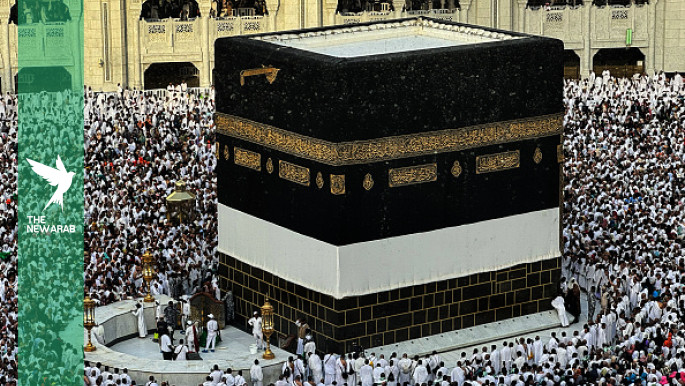
Saudi Arabia has reportedly urged the Trump administration to avoid any major military action against Iran until after this year’s Hajj season, amid growing fears across the Gulf that renewed conflict could destabilise the region during one of the world’s largest religious gatherings.
Riyadh asked Washington to avoid escalation as Saudi authorities prepare to host more than 1.5 million pilgrims expected to travel from around the world for the annual pilgrimage, according to multiple reports on Wednesday.
Other Gulf allies and senior regional officials also reportedly pressed the Trump administration to avoid reigniting conflict during the Hajj period.
This year’s Hajj is expected to begin on 24 May and last for six days.
Trump administration officials are said to have held separate discussions with leaders in Qatar, Saudi Arabia and the United Arab Emirates in recent days.
Gulf leaders used those conversations to urge Washington to delay military action and allow diplomatic efforts to continue, amid fears that Iran could retaliate against neighbouring Gulf states if the US resumed strikes, CNN reported, citing a source familiar with the discussions.
Gulf leaders presented “a unified front” in urging restraint from the Trump administration, with the Hajj season forming a major part of those concerns, the source added.
Multiple media outlets also reported that Trump was warned military action during Hajj could trigger wider regional disruption, with officials concerned renewed hostilities could leave large numbers of pilgrims stranded across the Gulf.
Gulf officials reportedly also warned that launching attacks during the holy period leading up to Eid al-Adha could further damage Washington’s standing across the Muslim world.
The US previously launched strikes on Iran during the Muslim holy month of Ramadan, while analysts have raised concerns that any escalation during Hajj would create major logistical and security challenges for Saudi authorities.
Analysts have also warned that renewed conflict would likely disrupt major regional aviation hubs, including in Qatar and the UAE, as well as routes connecting South and East Asia, where many pilgrims begin their journeys.
The reports come as Pakistan’s army chief, Field Marshal Asim Munir, is expected to travel to Iran on Thursday as Islamabad continues mediation efforts while Tehran reviews a new US proposal aimed at ending the conflict.
The expected visit comes a day after US President Donald Trump warned negotiations were on the “borderline” between a breakthrough and renewed military action, despite ongoing diplomatic efforts to secure a settlement.
A ceasefire that came into effect on 8 April halted weeks of conflict launched earlier this year by the US and Israel, though negotiations have so far failed to produce a lasting agreement.