
Clean as you go to prevent messes from piling up and make kitchen cleaning more manageable.
Wipe surfaces immediately after cooking to avoid stubborn grime and reduce foodborne illness risks.
Stay organized by prepping ingredients, storing unused items and cleaning tools during meal prep.
Cleaning the kitchen can be an arduous task. It takes forever, especially if it’s been a while, and it’s hard to clear everything off the countertops to get into all the nooks and crannies. However, keeping the kitchen clean is an important task to ensure food safety. We spoke with a chef and a cleaning expert about the most important thing they do every day to keep their kitchens sparkling, and they recommended the same thing, something you’ve likely heard but perhaps haven’t always done: clean as you go, or plan to put things away, tidy, wipe, wash and disinfect during each step of the meal-prep process.
“Every professional cleaner knows that cleaning as you go is the single biggest contributor to a sparkling clean kitchen. There isn’t one product, one system or one schedule; it is simply the act of relating differently to your kitchen space before and during cooking, not after,” says Isabella Flores, cleaning expert and professional organizer at Sparkly Maid San Diego.
While implementing a robust clean-as-you-go routine seems daunting, “the good thing is, if you work on this each time you prep and cook a meal, [the steps] become more and more instinctive and habitual,” says Michael Handal, culinary arts chef-instructor at the Institute of Culinary Education.
Why You Should Clean as You Go
If you delay cleaning, the job only gets harder. “Each hour that passes after cooking multiplies the amount of time required to properly clean your kitchen,” says Flores. Specifically, she explains, “wipe down your counters after cooking and [messes] can easily be cleaned with just a damp microfiber cloth. Wait until the next day and they will bind themselves to the countertop material, attract even more dirt and debris and take much more energy to clean than if you had wiped them down immediately after cooking.” So it pays to work a little more during versus a lot more after.
Even more crucial than having a clean workspace, you need to have a safe kitchen to prevent illness. “Food-prep surfaces are often one of the highest-bacterial areas of any household. Pathogens such as Salmonella, E. coli, etc. can survive on countertops and cutting boards and then spread to ready-to-eat foods during subsequent meal preparations,” says Flores. 1 According to the Food and Drug Administration, there are 48 million cases of foodborne illnesses each year, which means about 1 in 6 people in the U.S. get sick from food annually. Foodborne pathogens can cause serious illness or even death.2 “Cleaning these surfaces after each meal prevents the bacteria from establishing and multiplying on them between meals,” said Flores. For a safe kitchen, clean as you go.
How to Clean as You Go Every Day
Prepare
The most important first step to set you up for success is to be organized. “Maintaining kitchen organization is crucial,” Handal confirms. So, before you get into your next multistep recipe, take the time to make your kitchen as organized and efficient as you can.
“The first step would be to carefully read the recipe,” Handal says. Make sure you have all the necessary ingredients and equipment, such as measuring cups, sheet pans and containers, handy.
Once you have all your ingredients measured, they’re good to go back in storage: “Dry goods back to the pantry, unused proteins to the refrigerator and used measuring utensils to the sink for cleaning,” says Handal. He adds that, for safety, you should always keep your knives on your station for cleaning and sanitizing and never leave them in the sink. Flores agrees that putting things away is smart because “not only will this prevent clutter from piling up on your counters, but it will also eliminate drips and sticky spills which create an overwhelming mess at the end of meal preparation.” Now you’re ready to cook.
Keep a Towel on Hand
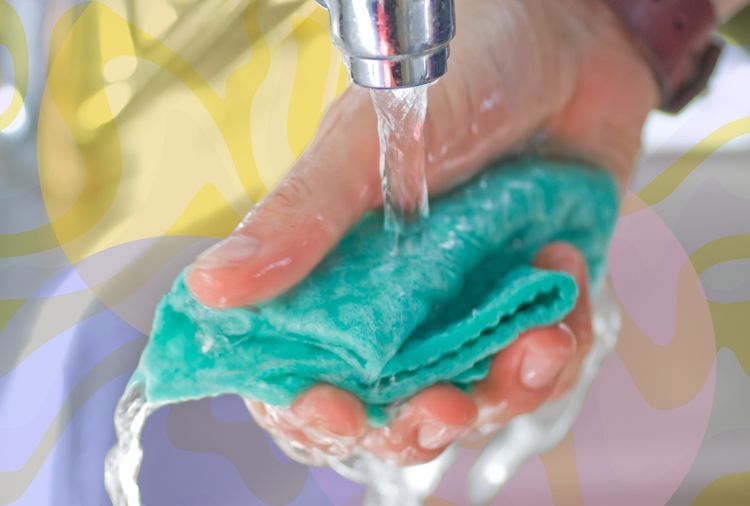
Both Flores and Handal said you should keep a damp towel handy from the start of your cooking process. “This may seem simple enough, but making sure this cloth is in plain sight near your working area is what will help solidify the behavior. If you have to get up and search for a cloth, you will likely find yourself putting off cleaning until later—thus allowing the residue to set on your countertops,” Flores explains. She prefers a damp microfiber cloth.
During the pre-cooking and cooking phase, Handal recommends cleaning up splatters and “wip[ing] down the counters with a clean rag and a sanitizing sheet (one that has a leave-on sanitizing agent), especially after prepping any type of proteins.” Raw meats are a potential risk for foodborne pathogens.
1. Look for Opportunities
Find the best moments to clean as you go. “As you work through the initial steps of recipe preparation and then the first steps in the cooking process, there is usually a brief ‘lull’ when ingredients are cooking and need a bit of time on their own. Chefs will use this as an opportunity to clear the decks of anything that has been used as a holding container for food,” Handal says. He emphasized that there should be an initial wipe down and a second, sanitizing wipe down.
Always anticipate your next steps. If you haven’t set it out beforehand, make sure you grab a colander or sieve as needed, set out plates and platters, plan out what might need to be warmed while other items are cooking and have your final seasonings, like salt and pepper, ready to go, not stashed away. Reducing your panicked scrambling will reduce possible spills or mistakes.
Aftercare
Once the food is off the stove, while it’s cooling or you’re waiting for your family to join you at the table, give surfaces a wipe down. “The best time to wipe down your stove is when it is still warm. During this state, residual cooking materials release easily with a single swipe of a damp microfiber cloth. No need for heavy-duty degreasers, no need for scouring— just 30 seconds. This one action alone provides a huge benefit, as this is typically the area most prone to stubborn and obvious grime accumulation if you delay cleaning,” Flores says. If you’ve ever taken on a very dirty stovetop, you know that prevention is key.
After enjoying the meal and washing dishes, Flores likes to do one final pass. She wipes down all contact surfaces, checks that the sink is clear and the dishwasher is running, and, because she’s very ambitious, suggests a quick vacuum or dry mop. Put your damp cloth in the hamper and make sure you have a clean one set for tomorrow. “While waking up to a sparkling clean kitchen may seem like a luxury, it actually serves as a means for helping create the conditions necessary to continue creating a clean kitchen for the next day. Because cleaning as you go only works if you’re beginning from a clean slate instead of trying to clean up last night’s messes,” she says. Think of how nice it is to start your day in a clean kitchen, and let that motivate you to clean as you go.
The Bottom Line
“Once you have developed the habit of cleaning as you go, a sparkling-clean kitchen will be second nature,” says Flores. Cleaning success comes down to preparing all the ingredients, cookware and tools before you start cooking, putting away anything you don’t need, wiping surfaces with a damp cloth multiple times during the process, cleaning up right away and, very importantly, sanitizing surfaces to avoid illness. These pro tips are simple but can ensure you have a professionally clean and functional kitchen.