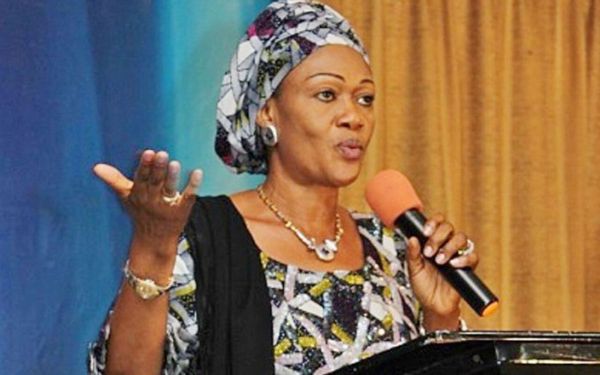
The First Lady, Senator Oluremi Tinubu’s recent charge to Nigerian women to embrace productivity — by engaging in businesses like akara, kulikuli, and corn roasting — is not trivial. It is appropriate, practical, and deeply patriotic.
We mock what is small until we see what it becomes. Today, many of Nigeria’s biggest eateries and food brands began as hawkers. Some sold akara on street corners. Others hawked bread, amala, or even ‘eba kolobe’ — eba without soup. Those little drops have built empires.
Take Ibadan, for instance. Amala Sky, now one of the most popular amala joints in the country and located in elitist Bodija, did not start in a glass building. It started as a hawker inside Bodija Market. Mama Ope, another big eatery in the city, followed the same path. Like Amala Sky, she was simply hawking cooked rice in Mokola Market. I watched both women grow from trays and small stalls into entrepreneurs with branches stretching as far as Abuja today.
The North tells the same story with kulikuli and corn roasting. In Kano, Kaduna, and Zaria, women who began by frying small batches of kulikuli by the roadside now run packaged food businesses that supply supermarkets across the country Those trades still have the capacity to build new ones if we take them seriously and scale them with dignity.
The First Lady was especially on point about akara. At a time in this country, Ghanaians quietly took over the akara trade in cities like Lagos and Ibadan. They organized, scaled, and made serious money from it, while many local makers ran out of business. We temporarily lost an industry we invented because we treated it as beneath us.
Beyond food, the warning is national. We are already losing ground in building and allied trades. Bricklayers, tilers, plumbers, and furniture makers are now imported from across West Africa, all the way to Ghana. Our construction sites are filled with foreign hands doing work Nigerians can and should do.
Akara, kulikuli, and corn are not the end goal. They are the entry point. They teach capital formation, discipline, and scale. They keep money circulating among our women, our families, and our communities instead of leaking abroad.
The First Lady is not saying stay small. She is saying, “Start where you are able.” Own the ground floor before foreigners buy the whole building.
If we ignore the small trades, we will keep importing people to do them. If we embrace them, those little drops will fill the ocean again — this time, for Nigeria.