WASHINGTON, D.C.: Detailing the mission to rescue the two-man fighter jet crew downed deep inside Iran, U.S. President Donald Trump and his top defense aides, on April 6, said the U.S. relied on over a hundred aircraft, hundreds of personnel, secret CIA technology, and a dose of subterfuge.
U.S. forces rescued the pilot just a few hours after the F-15E fighter jet crashed in Iran last week.
According to Trump, the military quickly sent helicopters, refueling aircraft, and fighter jets deep into Iran after finding the pilot’s location. He shared many details about the mission during a press conference at the White House.
The second crew member, the weapons systems officer, was rescued almost two days later.
Trump praised the military’s teamwork and resources, calling the mission bold and well-coordinated. He said Iran shooting down the jet was just “a lucky hit,” even though he had earlier claimed the U.S. had completely defeated Iran.
The rescue mission started during the day and lasted about seven hours, with aircraft flying low and facing heavy enemy fire.
An A-10 attack aircraft, which stayed in contact with the downed pilot, was hit by enemy fire and badly damaged. Its pilot kept fighting, then flew to a friendly country, ejected safely, and was rescued.
After the rescue of the first pilot, many people on the ground fired at the helicopters. One helicopter was hit several times, and some crew members had minor injuries but were okay.
The first pilot was rescued before Iranian forces could fully search for him. However, rescuing the second crew member was harder.
Iranian media even asked locals to capture and hand over any “enemy pilot” for a reward.
The second crew member, though injured and bleeding heavily, followed training and moved away from the crash site. He climbed into the mountains and used a special device to call for help.
The CIA used advanced technology and tricks to find him while confusing Iranian search teams. One official said it was like trying to find a single grain of sand in a desert.
At one point, U.S. officials spotted something moving at night through surveillance. After watching for 45 minutes, they realized it was the pilot.
Rescue teams moved in on April 5, protected by many aircraft and drones. Small helicopters were brought in and assembled near the pilot’s hiding place in the mountains.
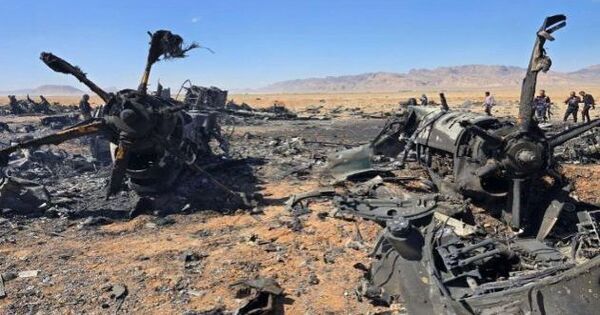
When it was time to leave, larger planes couldn’t take off due to the heavy weight, so smaller, faster aircraft evacuated the team. The remaining equipment was destroyed to prevent it from falling into Iranian hands.
Trump said many aircraft were used as a distraction to mislead Iran about the pilot’s location.
Meanwhile, U.S. officials in Washington stayed on a continuous call for nearly two days, constantly planning the rescue.
As Trump shared details, some military officials hesitated to reveal sensitive information. When asked how many personnel were involved, a general declined to give a number, but Trump said it was in the hundreds.