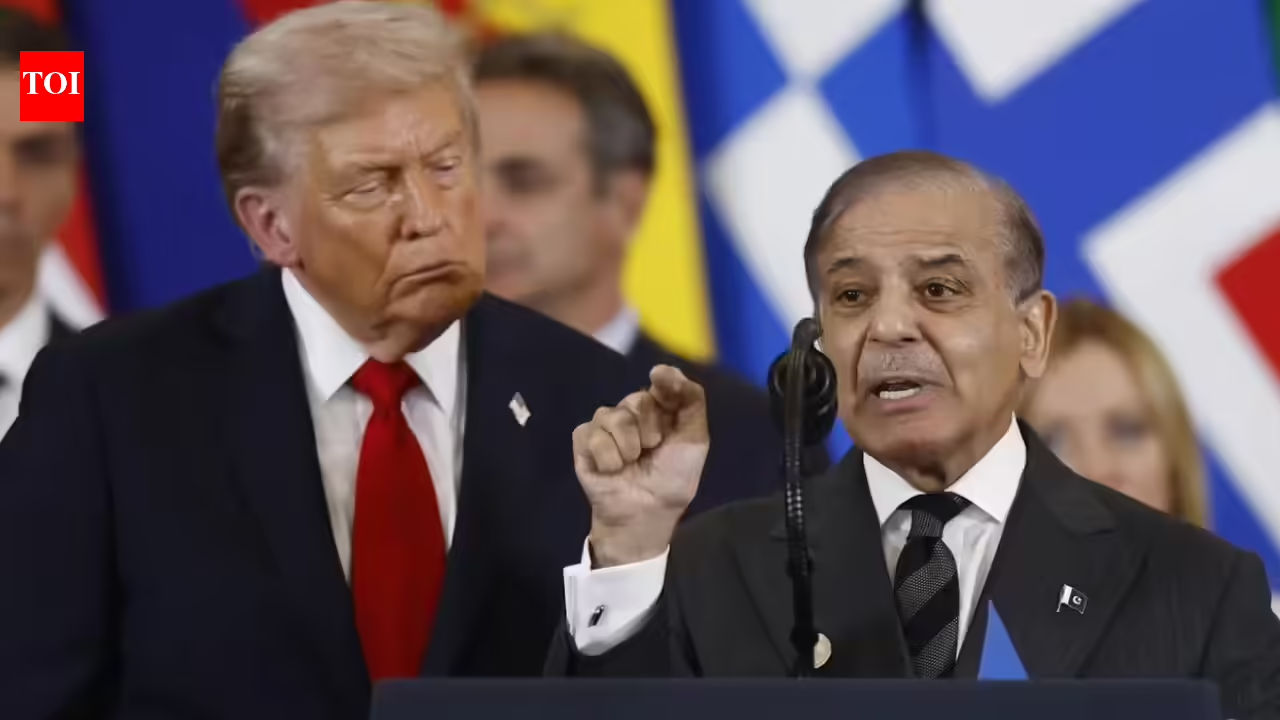
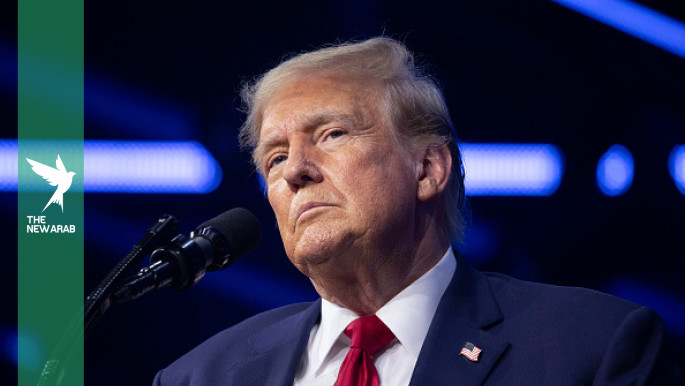
Trump said on social media that he would “extend the Ceasefire” until Iran’s leaders and representatives submitted a unified proposal to end the conflict. He added that he had directed the US military to continue the blockade and remain ready for action.
“Based on the fact that the Government of Iran is seriously fractured, not unexpectedly so and, upon the request of Field Marshal Asim Munir, and Prime Minister Shehbaz Sharif, of Pakistan, we have been asked to hold our Attack on the Country of Iran until such time as their leaders and representatives can come up with a unified proposal,” Trump said in his post.
“I have therefore directed our Military to continue the Blockade and, in all other respects, remain ready and able, and will therefore extend the Ceasefire until such time as their proposal is submitted, and discussions are concluded, one way or the other,” he added.
The announcement came after Pakistan, which is mediating talks between Washington and Tehran in Islamabad, urged both sides to prolong the truce and give diplomacy a chance.
Vice President JD Vance was expected to lead the US delegation to Pakistan, though he had yet to leave Washington by Tuesday afternoon. A US official said additional policy meetings were taking place at the White House involving the vice president.
Earlier in the day, Trump said Washington held a “very, very strong negotiating” position and told CNBC he believed a deal would eventually be reached.
Since a marathon first round of talks in Islamabad, Trump has announced a blockade of Iranian ports, while Tehran has again closed the Strait of Hormuz.
Both sides have accused the other of violating the ceasefire.
Pakistan’s Foreign Minister Ishaq Dar urged the parties “to consider extending the ceasefire and to give dialogue and diplomacy a chance”, according to a foreign ministry statement.
Information Minister Attaullah Tarar said Pakistan was still awaiting a formal response from Iran on participation in the talks.
However, Iran’s semi-official Tasnim News Agency later reported that Tehran had decided not to attend the planned talks in Pakistan after the United States refused to back down from what it described as “excessive demands” in recent days.
Tasnim said Iran had informed Pakistani mediators it would not be present for negotiations on Wednesday, calling participation a “waste of time” because Washington was obstructing any suitable agreement. The report could not be independently verified.
Iran’s parliament speaker and top negotiator Mohammad Bagher Ghalibaf said Tehran would not accept talks “under the shadow of threats”, and warned it would “show new cards on the battlefield” if conflict resumed.
Residents in the Iranian capital told AFP that life had worsened despite the truce, citing economic pressure and the impact of war.
“This cursed ceasefire has broken us. There is no light at the end of the tunnel,” said Saghar, 39.
The US Defense Department said Tuesday that its forces had intercepted and boarded a “stateless sanctioned” vessel as part of efforts against networks supporting Iran. AFP identified the vessel as one linked to Iranian activity.
Despite uncertainty over the talks, oil prices fell on Tuesday while stocks rose on hopes a diplomatic deal could still be reached.
In Islamabad, heavily armed police and soldiers secured the city’s government quarter, which was largely shut down.
The Serena hotel, which hosted the previous round of negotiations, had asked guests to vacate in recent days.
Elsewhere in the region, Israel and Lebanon are due to hold fresh talks in Washington on Thursday, a State Department official told AFP.
A separate 10-day ceasefire was agreed between the two sides on Friday and included Hezbollah, whose rocket fire in support of Iran drew Lebanon into the wider conflict.
Sporadic violence has continued, with Israel warning civilians against returning to dozens of villages in southern Lebanon.
On Tuesday, the Israeli army said Hezbollah launched several rockets at its troops occupying Lebanon and that it had struck the launcher used in the attack.
Hezbollah said it had targeted northern Israel in retaliation for Israeli violations of the truce.
Israeli attacks on Lebanon have killed at least 2,454 people since the start of the war, according to Lebanese authorities.