WASHINGTON, D.C.: More than two months into a conflict with no clear military or diplomatic victory, Donald Trump now faces the risk that the standoff with Iran could continue indefinitely, potentially creating an even bigger problem for the United States and the world than before the war began.
Both sides believe they have the advantage, and their views are very different, so there is no clear way to end the conflict. Iran offered a new plan to restart talks, but Trump quickly rejected it on Friday.
For the U.S. president and his Republican Party, the situation looks worrying. If the conflict continues, global economic problems—such as high fuel prices in the U.S.—are likely to persist. This could hurt Trump, whose popularity is falling, and also damage Republican chances in the November elections.
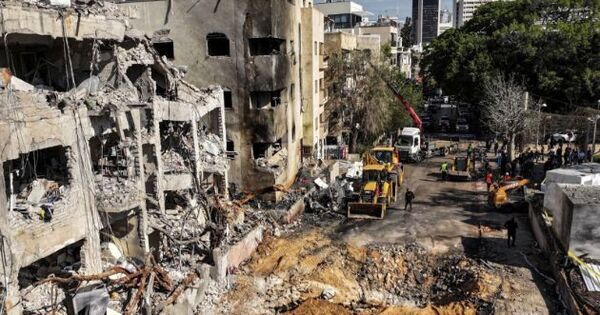
These problems show a bigger issue: the war has not achieved many of Trump’s goals. While U.S. and Israeli attacks have weakened Iran’s military, key aims like changing Iran’s government or stopping its nuclear plans have not been reached.
Concerns about a long stalemate have increased after Trump canceled planned talks and rejected Iran’s offer to stop the war. Iran suggested delaying discussions about its nuclear program until the war ends and an agreement is made to reopen the Strait of Hormuz, but Trump insisted the nuclear issue must be addressed first.
There was a small sign of hope when Iran sent a revised proposal through Pakistan, prompting a slight drop in oil prices. However, Trump said he was not satisfied, even though discussions are still happening by phone.
If the U.S. fails to take control of the Strait of Hormuz by the end of the conflict, it would seriously damage Trump’s legacy. Experts warn he could be remembered as a leader who made the world less safe.
The White House says Iran is under growing pressure and that Trump believes he is in a strong position to make a good deal.
With no clear plan ahead, Trump has discussed possibly continuing a naval blockade on Iran for months to cut its oil exports and force it to agree to give up nuclear weapons. At the same time, he has kept the option of new military strikes open, with plans already prepared.
European officials believe the situation is unlikely to end soon. Iran, meanwhile, remains firm and has used its power to disrupt global oil supply by blocking shipping in the Strait of Hormuz, through which about one-fifth of the world’s oil passes.
Experts say Iran may feel stronger because it has shown it can shut down this key route whenever it wants, even if its military has been weakened.