Follow our live coverage here.
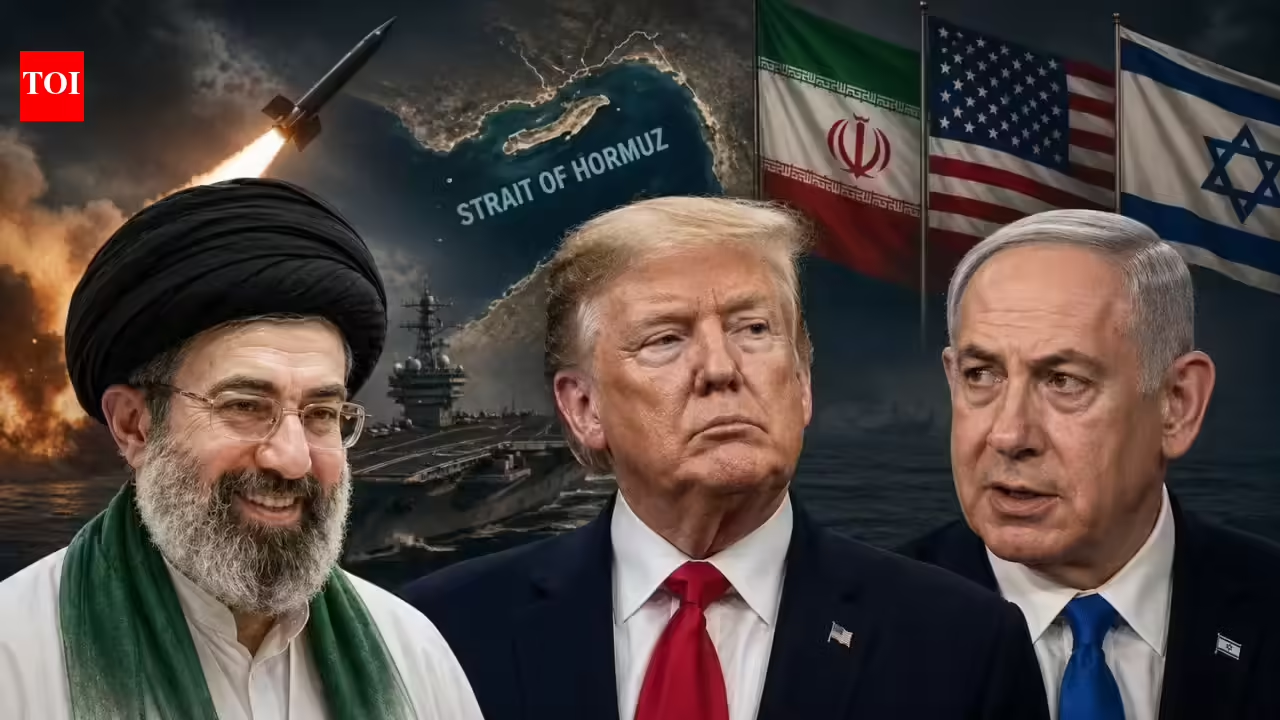
WASHINGTON – The United States and Iran needed more than two months of fitful, strained negotiations to agree on a deal to halt their fighting and reopen the Strait of Hormuz. Now comes the hard part.
The provisional agreement announced by the two sides late on June 14 – President Donald Trump’s 80th birthday – leaves a narrow window of 60 days to negotiate issues around Iran’s nuclear programme that bedeviled his predecessors for years.
The memorandum of understanding, which has yet to be released, will be formally signed on June 19.
That gap raised the possibility that details on the text remained unresolved and the signing could be derailed.
Already, differences were emerging between the two sides in what may have actually been achieved, while the simmering conflict between Israel and Lebanon could also still lead to a breakdown.
Trump argues that this initial deal amounts to the start of a process that will lead to peace in the region.
Sceptics of the deal argue it may end up being nothing more than a temporary reprieve given that it is not clear either side is ready to compromise on the thorniest issues – how much economic relief to give Iran, what to do about its nuclear programme, how to address its ballistic missile programme.
“It’s not implausible they could have a temporary deal to reopen the Strait,” said Michael O’Hanlon, director of foreign policy research at the Brookings Institution. “Beyond that, a comprehensive deal is not plausible now.”
Adding to the uncertainty, trust between the US and Iran is non-existent amid US suspicions that Iran wants to reconstitute its nuclear programme.
Trump’s hawkish advisers argue that Iran will look for any chance it can to undermine the deal.
Iranian officials say the US bombed the country twice before during negotiations, and point to attacks that killed much of its top leadership, Supreme Leader Ayatollah Ali Khamenei and family members of his successor.
“We are facing enemies who will not miss any opportunity to strike the Islamic Republic,” Iranian Deputy Foreign Minister Kazem Gharibabadi said. “Even if the 60-day negotiations lead to a final agreement with Iran, the country will remain prepared for any conspiracy by its enemies.”
Also looming is the role of the US Congress, where lawmakers argue that any extensive sanctions relief must get approval from the Senate.
That is the result of a 2015 law, the Iran Nuclear Agreement Review Act, that was put into effect to hem in President Barack Obama as he negotiated a deal to curtail Iran’s nuclear programme. Trump backed out of that agreement in 2018, further sowing mistrust with Iran.
“I will be watching closely the ensuing negotiations regarding Iran’s nuclear programme and other matters,” Republican Senator Lindsey Graham, a Trump ally and longtime Iran critic, wrote on X. “I am somewhat concerned that Iran’s view of the agreement seems different than what the American negotiating team is claiming.”
Also unresolved are issues that Iran hawks in the US have demanded an answer on for years.
That includes the fate of Iran’s ballistic missile programme and its support for proxy groups such as Hezbollah and Hamas. There is no indication the subsequent negotiations will even address those issues.
“Not one penny should be released to this murderous regime so long as it continues to build missiles, support its terrorist proxies, and withhold funds from victims of Iranian terrorism,” Pastor John Hagee, who spoke at Trump’s second inauguration, wrote on social media.
An even bigger wild card may be Israeli Prime Minister Benjamin Netanyahu, who has been deeply sceptical that the US can strike a deal with Iran that would satisfy Israel.
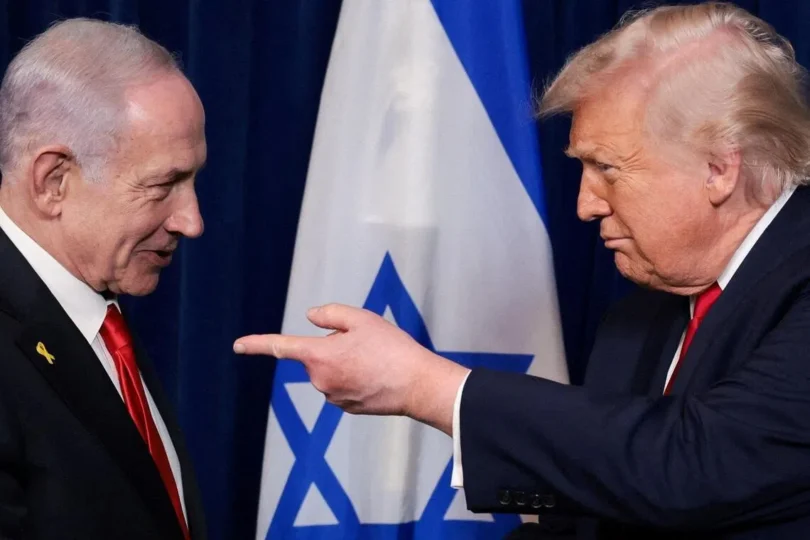
Trump has grown visibly frustrated in recent days with Netanyahu, saying on June 14 that he demanded Israel stop its attacks on Lebanon, which had roiled the negotiations.
“Iran has been very pragmatic on how they approach all of this. They realise Israel is going to try to derail this,” said Brett Erickson, a sanctions expert and managing principal at Obsidian Risk Advisors. “Trump will need to rein in Netanyahu or make increasing concessions throughout the coming days to incentivise Iran to restrain itself.”
Nate Swanson, a senior fellow at the Atlantic Council who worked on Iran issues at the State Department and White House National Security Council until 2025, expressed additional concerns.
He said the mechanics around reopening the strait – a move that sits at the heart of the agreement that will be signed on June 19 – still haven’t been finalised.
“Yes, we will see an increase in traffic, but the status quo is still fragile,” Swanson said. BLOOMBERG