In an emotional statement outside 10 Downing Street, Mr Starmer said Labour had been asking whether he was “best placed to lead us into the next general election” and that he had “heard the answer.”
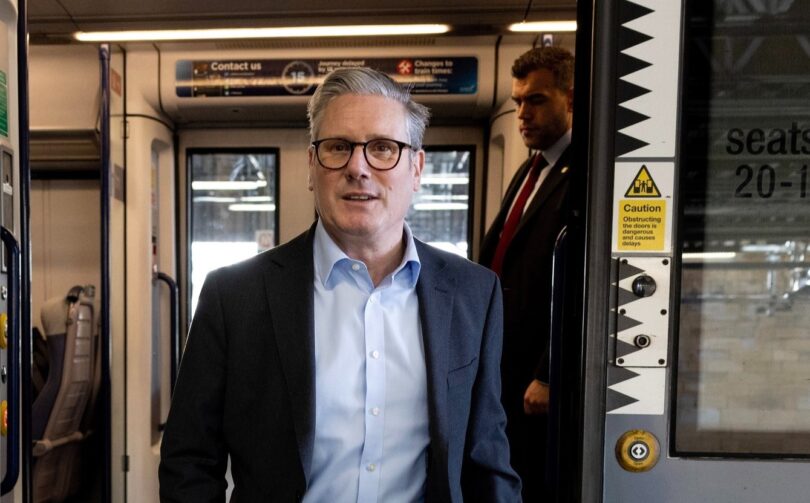
United Kingdom Prime Minister Keir Starmer on Monday announced his resignation as both prime minister and leader of the Labour Party, saying he had accepted that his party no longer believes he is the best person to lead it into the next general election, the BBC reports.
In an emotional statement outside 10 Downing Street, Mr Starmer said Labour had been asking whether he was “best placed to lead us into the next general election” and that he had “heard the answer.”
“Every decision I have made in office has been about putting the country I love first,” he said.
Mr Starmer said he had informed King Charles III of his decision and asked Labour’s National Executive Committee to begin the process of selecting a new party leader. Nominations are expected to open on 9 July, with the process scheduled to conclude before Parliament returns from its summer recess in September.
Until a successor is chosen, Mr Starmer said he would remain in office to ensure an orderly transition.
The outgoing prime minister pledged his full support to whoever succeeds him, saying they would inherit a Britain that is “stronger and fairer” than it was two years ago.
Holding back tears during his speech, Mr Starmer thanked his wife, Victoria, whom he described as his “rock,” and said he looked forward to being the best husband and father he could be to his family.
Attention has already turned to who will replace him. Andy Burnham, widely regarded as the frontrunner, is expected in Westminster later today after winning a parliamentary by-election last week. While some Labour figures have suggested Health Secretary Wes Streeting could enter the race, many party members believe Mr Burnham could emerge as the consensus candidate.
Reacting to the resignation, Liberal Democrat leader Ed Davey said the British public was “sick of being let down by an endless merry-go-round of prime ministers while nothing really changes.”
Mr Starmer became prime minister after leading Labour back to power and described the achievement as the proudest moment of his life. He said he inherited a party that was “politically, financially and morally bankrupt” but had worked to rebuild it and return it to the government.