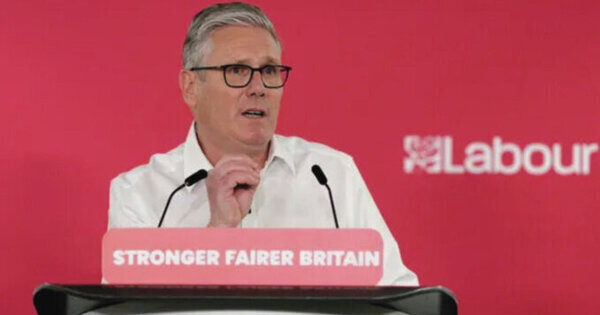
Keir Starmer has moved to shut down speculation about his future, telling his Cabinet that the formal process for challenging his leadership has not been activated and that he intends to continue governing. The message came during a tense Cabinet meeting overshadowed by Labour’s poor election results and growing internal unrest.
Downing Street issued a statement during the meeting stressing that the government must focus on governing rather than internal disputes. ?The Labour Party has a process for challenging a leader and that has not been triggered. The country expects us to get on with governing. That is what I am doing and what we must do as a Cabinet,? Starmer said, according to the readout.
The Prime Minister also warned that recent political instability was damaging the economy, describing the past days as disruptive for government functioning and public confidence.
Cabinet tensions and muted dissent
While ministers publicly expressed unity, reports from inside the meeting suggested a more complex picture. Some senior figures, including Home Secretary Shabana Mahmood, were said to have raised concerns privately in recent days about the need for an ?orderly transition? and even a possible timeline for Starmer’s departure.
However, within the Cabinet room itself, no formal challenge was made. Work and Pensions Secretary Pat McFadden told reporters afterward that ?they didn?t? raise objections to the Prime Minister’s leadership during the meeting.
Several ministers, including Steve Reed, Peter Kyle, Liz Kendall and Anna Turley, publicly backed Starmer and repeated that the focus remained on governance rather than internal leadership disputes. Reed said the Cabinet would simply ?get on with the job,? while Kendall described the Prime Minister as having full support.
Streeting under scrutiny
Attention has increasingly focused on Health Secretary Wes Streeting, seen by some MPs as a potential leadership challenger. He did not openly confront Starmer during the meeting, though sources said he questioned whether focusing on international crises such as Iran was sufficient on its own.
After the meeting, Streeting reportedly attempted to meet the Prime Minister privately but was not granted a discussion, fueling further speculation about divisions at the top of government.
Pressure builds after electoral losses
The internal debate follows a difficult electoral period for Labour, which has seen its support weaken across local and regional contests. More than 70 Labour MPs have reportedly expressed concern about Starmer’s leadership, though only a small number have called publicly for his resignation.
One junior minister, Miatta Fahnbulleh, has already resigned, urging the leadership to consider a structured transition process. Others, including Catherine West, have echoed calls for a managed handover rather than an immediate contest.
Leadership rules and uncertain outlook
Under Labour rules, a formal leadership challenge requires backing from at least 20% of MPs, a threshold currently estimated at 81 members. While support for change appears to be growing, MPs remain divided on timing and potential successors.
Despite internal pressure, Starmer has insisted he will contest any leadership challenge if it emerges. For now, however, no formal move has been triggered, leaving the situation unresolved but increasingly tense within the party.