ABUJA – The United States deported dozens of people across four African countries on July 30 and 31, part of US President Donald Trump’s unprecedented “third-country” deportation scheme, lawyers told AFP.
Many if not all of the deportees are not from the countries where they are being sent – Equatorial Guinea, Sierra Leone, Ghana and the Central African Republic (CAR) – the lawyers and a deportation flight monitor warned.
This is in line with a US immigration crackdown that has used what critics call “loopholes” to expel people the US is legally barred from sending back home.
Around 10 people were deported to Equatorial Guinea on July 30, said Alma David and Meredyth Yoon, US immigration attorneys familiar with their cases.
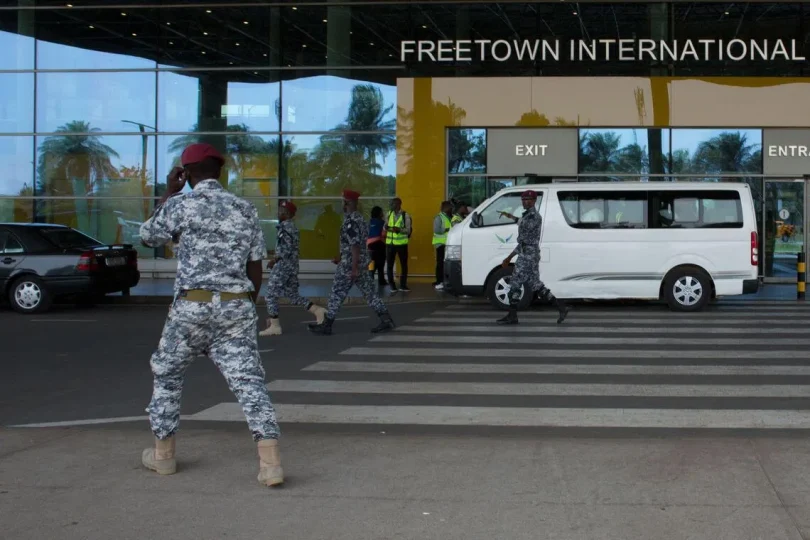
On July 31, a flight from the United States landed in Sierra Leone, where about 10 more people were taken off, David said.
That same flight is now headed for Ghana then the CAR, the lawyers told AFP.
All four countries have previously taken in African deportees from the United States. In Equatorial Guinea, some of them have been stuck in a hotel for months, while Ghana left some across the border in Togo without documents in 2025.
Opaque deportations
US Immigration and Customs Enforcement (ICE) did not immediately respond to a request for comment.
The flights were also logged by ICE Flight Monitor, a tracker affiliated with non-profit Human Rights First
According to the tracker, both sets of flights refuelled in Senegal, which has become a key stopover point for deportation flights on the continent.
The deportations are often opaque. Yoon said she and her colleagues had a list of people believed to be on the plane but were not sure if they were being sent to Sierra Leone or Ghana.
Trump in his second term has expanded who is eligible for deportation, in part by targeting those with legal protections that under previous administrations allowed them to live and work in the US for fear of persecution in their home countries.
Under Trump, Washington has argued that while it cannot return such individuals to their countries of origin, it is not barred from sending them to third countries.
An AFP investigation found that the US has offered multimillion-dollar deals and threatened visa restrictions in a bid to get “third countries”, especially in Africa, to take such deportees.
Once in these countries – and outside US jurisdiction – deportees have been subject to abuse by local guards, indefinite detention, or quickly re-deported to their home countries. AFP