
The United States feared Israel could assassinate Iran’s top negotiators during sensitive peace talks earlier this year, prompting Washington to quietly warn Tehran through regional intermediaries, according to a New York Times report citing current and former US officials.
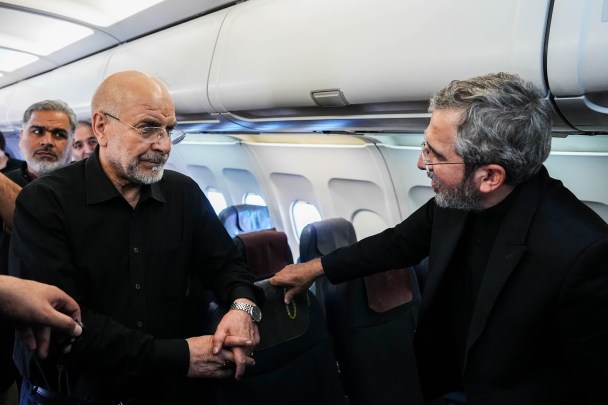
The two officials at the centre of the concern were Iran’s foreign minister Abbas Araghchi and parliament speaker Mohammad Bagher Ghalibaf. Worry over their safety grew sharply once ceasefire talks began in April, the paper reported.
Had the negotiators been killed, officials feared the ceasefire talks could have collapsed, potentially reigniting the war.
Why did the US step in?
Fearing that an Israeli strike on the two men would collapse the negotiations and restart the war, Washington asked other countries in the region to warn Iran about the threat.
Officials said that while Araghchi and Ghalibaf could have been seen as fair targets earlier in the war, killing them once talks were underway risked ending diplomacy entirely.
Story continues below this ad
The war began on February 28, when an Israeli strike killed Iran’s supreme leader Ayatollah Ali Khamenei along with other senior officials, based partly on US intelligence, the Times reported.
Israel focused on eliminating Iran’s leadership early in the conflict, including officials seen as more open to negotiation, such as national security chief Ali Larijani and former foreign minister Kamal Kharazi. Both were killed in Israeli strikes while involved in talks with the US.
How close did the negotiators come to being hit?
Ghalibaf narrowly survived two separate incidents during the war, including an Israeli strike on a bunker meeting of senior officials, according to three Iranian officials cited by the New York Times.
In April, he was flying back to Tehran from talks in Islamabad when Iranian security forces picked up intelligence that two Israeli jets had entered Iranian airspace, according to the report. The plane made an emergency landing in Mashhad, and the delegation completed the journey home by road, taking about eight hours.
Story continues below this ad
A Wall Street Journal report from March said Israel had placed Araghchi and Ghalibaf on a target list, but paused those plans once US-Iran talks began, according to the New York Times.
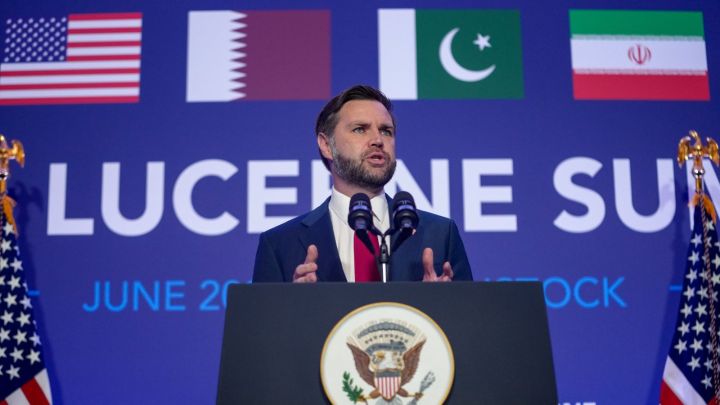
Despite the risks, both men have continued travelling for talks, including trips to Qatar in May and Switzerland in June to meet US Vice President JD Vance, the Times reported.
A lawmaker, Mohsen Zanganeh, said the negotiators had taken on real personal risk by continuing the talks.
“This is called a real sacrifice, not political manoeuvring,” Zanganeh said, according to the Times.
Story continues below this ad
A spokeswoman for the Israeli Embassy in Washington declined to comment when reached by the Times. A US official said talks are continuing, adding that President Trump wants the peace process to continue moving forward.
The next round of indirect US-Iran talks is expected after ceremonies marking Khamenei’s death conclude, with negotiators aiming to advance the implementation of the 14-point memorandum signed last month.
(function(){var l=!1;function f(){if(l||window.fbq)return;l=!0;!function(n,t,e,f,o,c,i){if(n.fbq)return;o=n.fbq=function(){o.callMethod?o.callMethod.apply(o,arguments):o.queue.push(arguments)};n._fbq||(n._fbq=o);o.push=o;o.loaded=!0;o.version=”2.0″;o.queue=[];c=t.createElement(e);c.async=!0;c.src=f;i=t.getElementsByTagName(e)[0];i.parentNode.insertBefore(c,i)}(window,document,”script”,”https://connect.facebook.net/en_US/fbevents.js”);fbq(“init”,”444470064056909″);fbq(“set”,”autoConfig”,!1,”444470064056909″);setTimeout(function(){fbq(“track”,”PageView”)},500)}window.addEventListener(“scroll”,f,{once:!0});window.addEventListener(“click”,f,{once:!0});”requestIdleCallback”in window?requestIdleCallback(f,{timeout:3000}):setTimeout(f,2500)})();
The post US feared Israel could kill Iran’s top negotiators during peace talks: Report appeared first on NgBreakingNews.com.