The United States and Iran exchanged fresh waves of attacks on Thursday as fighting over the strategic Strait of Hormuz intensified, with both sides expanding their military operations and raising fears of a broader regional conflict. According to the Associated Press (AP), the United States struck targets deeper inside Iran,……
The United States and Iran exchanged fresh waves of attacks on Thursday as fighting over the strategic Strait of Hormuz intensified, with both sides expanding their military operations and raising fears of a broader regional conflict.
According to the Associated Press (AP), the United States struck targets deeper inside Iran, including areas around Tehran, and fired on a vessel it accused of attempting to breach its naval blockade. Iran responded by launching missiles and drones at US allies in the region and warned that its attacks could escalate further.
Iranian officials said US strikes have killed more than 35 people and injured over 300 since the collapse of a month-old ceasefire, while Washington said a second wave of strikes was aimed at “further degrade” Iran’s military capabilities.
Iranian military spokesperson Col. Ebrahim Zolfaghari warned that Tehran could target “all the infrastructure in the region” if the US follows through on threats to strike Iranian bridges and power plants.
“Under no circumstances and in no way will we allow America, as a foreign and extraregional country, to interfere in the Strait of Hormuz,” he said. “This is Iran’s invincible red line.”
Iranian state media reported that US strikes targeted areas around Tehran, Semnan province and several other provinces, including Hormozgan, Khuzestan, Lorestan, Markazi and Sistan and Baluchestan, as well as Qeshm Island near the Strait of Hormuz.
Several casualties were also reported in Bandar Abbas, where residential areas, railway facilities and bridges were hit, while the US military said it also struck Iranian defence and missile sites on Greater Tunb Island.
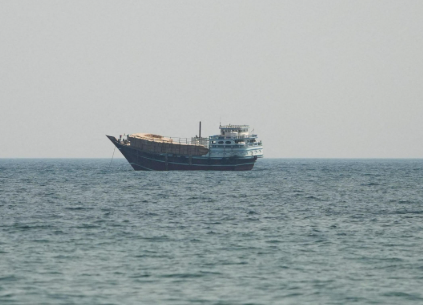
The US military further announced that it disabled a Curacao-flagged oil tanker after it allegedly ignored repeated warnings while heading toward Iran’s main oil export terminal.
Iran retaliated by launching missile and drone attacks targeting Bahrain, Jordan and Kuwait, all of which host US military forces. Authorities reported no immediate casualties or significant damage.
The latest fighting has disrupted commercial shipping through the Strait of Hormuz, a critical global oil route. Maritime data firm Lloyd’s List Intelligence said cargo shipments through the waterway have dropped sharply, while some vessels have switched off tracking devices or avoided the area altogether.
Read Also: Europe Will Work To Be Independent Of United States – Friedrich Merz
Brent crude traded above $85 per barrel on Thursday, remaining more than 15 per cent above pre-conflict levels, although still below the peak recorded earlier in the war.
President Donald Trump defended the renewed pressure campaign, saying, “They don’t like what we’re doing, and they do want to settle. We’ll find out whether or not we settle with them, or we just finish it off.”
Pakistan said diplomatic efforts to bring Washington and Tehran back to negotiations remain ongoing, though officials acknowledged that prospects for talks have become increasingly difficult.