Preparations for another round of talks between the US and Iran are continuing, and the chances of it taking place are growing. That is despite statements by all branches of Iran’s leadership saying they have no intention of traveling to Pakistan to continue the talks.
Pakistani mediators are making every effort to bring the delegations to Islamabad, and the main mediator, Pakistan’s army chief Asim Munir, is holding talks with all sides. According to reports from Pakistan, President Donald Trump told Munir in a conversation that he would consider his “advice” regarding the impasse over the Strait of Hormuz.
According to diplomatic sources in the region, several possible formulas are being examined for reopening the Strait of Hormuz, including a full temporary reopening for a day or more, for the duration of the negotiations. Iran, it should be noted, violated its commitment to fully reopen the strait, a commitment that had been a condition of the ceasefire, and the US responded with its own blockade targeting only Iranian ships.
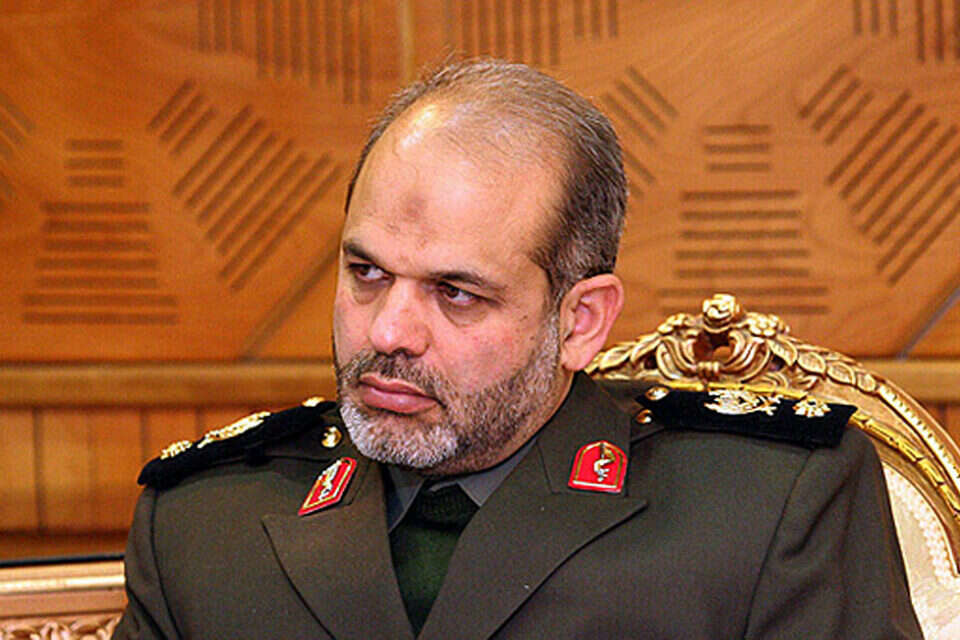
Diplomatic sources say another formula that has been proposed calls for the release of frozen Iranian assets during the talks, followed by the reopening of the strait afterward. All of the formulas and proposals, including those reported in Israel Hayom regarding Iranian agreement on the nuclear issue and the regional terrorist organizations, have so far run into what appears to be an insurmountable barrier: Ahmad Vahidi, commander of the Islamic Revolutionary Guard Corps.
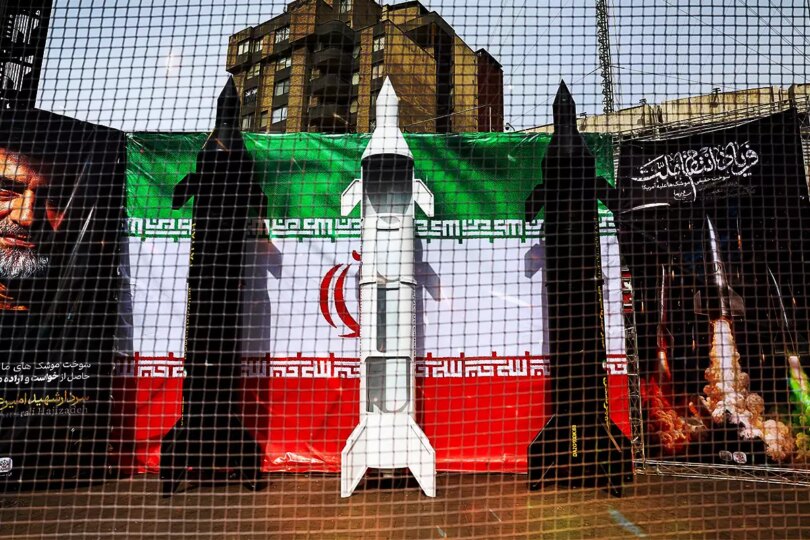
Vahidi, a hardline ideologue involved in countless Iranian terrorist attacks, including the bombing of the Israeli Embassy in Argentina and the AMIA Jewish community center in Buenos Aires, opposes any arrangement that does not immediately release the frozen funds and lift sanctions. He also opposes handing over enriched uranium and certainly any restrictions on the missile program.
According to reports from Iran, he has exclusive control over contact with Supreme Leader Mojtaba Khamenei, assuming Khamenei is functioning, and in effect dictates decisions to him. In Washington, an assessment was heard last week that without removing Vahidi from the picture, there is almost no chance of an agreement with Iran.
Israel and the Gulf states are being updated on these contacts and are trying to influence the administration not to yield, both on the nuclear issue and on the other issues directly tied to it: missiles and support for regional terrorist organizations. As Israel Hayom reported, Iran is demanding in the talks that it be allowed to continue supporting certain organizations, including Hezbollah, while defining that support as humanitarian or civilian.
Israel and some of Gulf states hold an almost identical position on the issue. But the oil-producing Gulf states are already preparing contingency plans for a scenario that leaves the regime in Tehran entrenched and capable of rebuilding, in other words, a real threat to them. Those countries fear a policy shift by President Trump, and certainly after him under another president, that would leave them exposed to Iran.
The expectation is that some of them, namely Qatar and Oman, will try to talk with Iran in order to reach an understanding. Others, chiefly Saudi Arabia, will try to obtain nuclear weapons of their own. The United Arab Emirates and Bahrain, meanwhile, are expected to step up purchases of weapons systems, with an emphasis on defenses against missiles and drones, and may also seek to secure defense pacts with additional countries.