
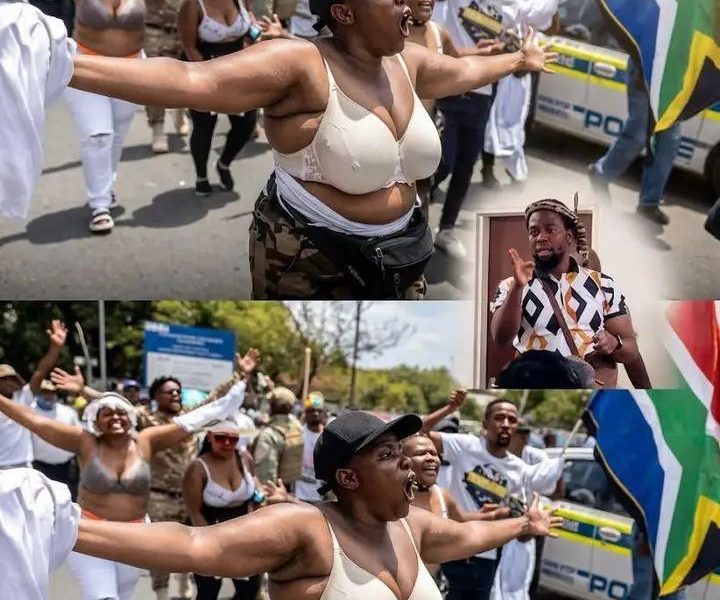
Tensions surrounding xenophobic rhetoric in South Africa have taken a different dimension after a group of women in Durban staged a protest against Operation Dudula and its leader, Phakela, over threats directed at foreign African nationals.
The demonstration, reportedly highlighted in a Facebook post by Udochukwu Orji, saw women publicly defending their Nigerian, Ghanaian, and other foreign African husbands, insisting that political groups should not interfere in their marriages and family lives.
According to the protesters, the campaign by Operation Dudula against immigrants is creating division and fear within communities. They argued that their relationships with foreign nationals are built on love, understanding, and mutual respect, stressing that no movement has the right to dictate whom they choose as partners.
The protest followed controversial remarks allegedly made by Phakela, who reportedly issued a warning demanding that Nigerians, Ghanaians, and other foreign nationals leave South Africa within a short period or risk having their businesses shut down. The comments generated criticism from many Africans who described the rhetoric as dangerous and capable of worsening tensions across the continent.
For the women who protested in Durban, the matter goes beyond immigration debates and economic concerns. They said xenophobic campaigns directly affect homes, marriages, and families that include people from different African countries. Their message during the protest was straightforward: foreign husbands should not be targeted because of nationality.
Observers say the development highlights the deeper social impact of xenophobia in South Africa. While supporters of Operation Dudula often argue that their campaign is about protecting economic opportunities for South Africans, critics believe such actions encourage hostility against fellow Africans and weaken the idea of continental unity.
The protest has since sparked conversations online, with many social media users praising the women for publicly opposing xenophobia and defending multicultural families. Others have called on African leaders and regional bodies to take stronger measures against anti-immigrant sentiments and promote peaceful coexistence among Africans living in different countries.