VICTOR ORHORHORO
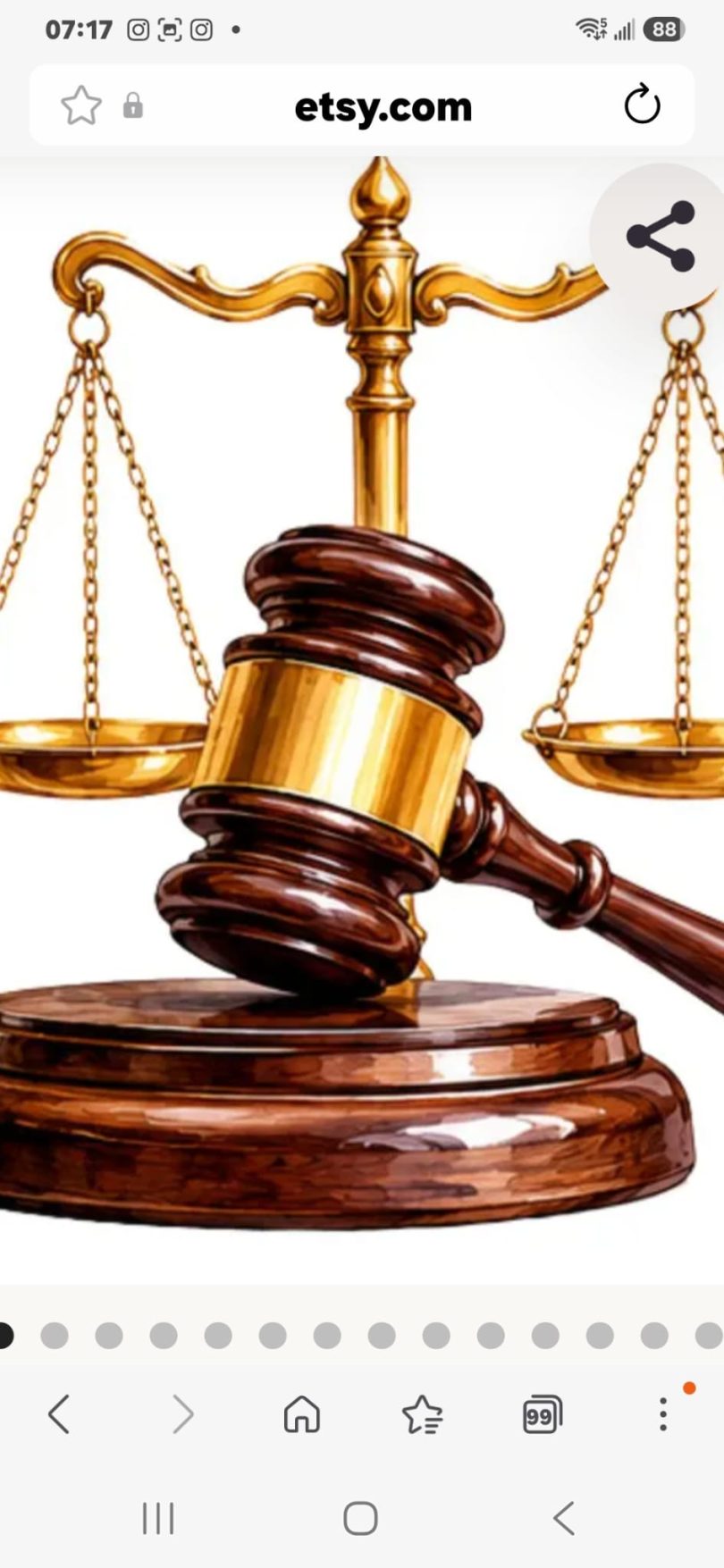
Every responsible society has a duty to protect its citizens from harassment, intimidation, threats, and online abuse. In principle, laws against cyberbullying are both necessary and commendable. The digital age has created new avenues for criminal conduct, and governments are justified in seeking legal tools to address genuine cybercrime.
However, a law designed to protect citizens loses its moral legitimacy when it is transformed into an instrument for silencing them.
In Nigeria today, there is growing concern that cyberbullying legislation is increasingly being invoked not against criminals, but against journalists, lawyers, human rights advocates, political critics, and ordinary citizens whose only offense is the expression of views that those in power find uncomfortable.
The essence of democracy is not the celebration of agreeable speech. Democracy is tested by its tolerance of criticism. A government that welcomes praise but criminalizes dissent reveals an alarming insecurity about its own performance.
Across democratic societies, journalists investigate corruption, lawyers challenge governmental actions, and civil society organizations hold leaders accountable. These activities are not threats to democracy; they are the very pillars upon which democracy stands.
When investigative reporters expose alleged wrongdoing and are subsequently arrested under cybercrime provisions, a troubling message is sent to the public. When lawyers representing unpopular causes become targets of state action, confidence in the rule of law begins to erode. When human rights advocates are intimidated for speaking out against perceived injustices, citizens begin to question whether constitutional freedoms exist only on paper.
The danger is not limited to those directly affected. The greater danger lies in the chilling effect that spreads across society.
A journalist who witnesses the arrest of a colleague may decide not to publish a sensitive story. A lawyer may hesitate before taking on a controversial case. An activist may remain silent rather than risk detention. An ordinary citizen may conclude that speaking openly is simply not worth the consequences.
This gradual spread of fear is precisely how democratic space shrinks.

Freedom of expression has never meant freedom from accountability. False accusations, defamation, incitement to violence, and deliberate misinformation should be addressed through lawful and transparent processes. But there is a profound difference between punishing malicious falsehoods and punishing criticism.
Governments often claim that arrests made under cyberbullying laws are intended to preserve public order. Yet public order cannot be sustained by fear. Genuine stability comes from public trust, and trust flourishes only when citizens believe they can speak freely without risking persecution.
History offers countless examples of governments that attempted to suppress criticism through legal intimidation. In nearly every case, the outcome was the same: public resentment deepened, institutions weakened, and confidence in leadership diminished.
Strong governments do not fear scrutiny. Strong governments answer questions. Strong governments confront allegations with facts. Strong governments recognize that criticism is not an act of sabotage, but an essential component of democratic governance.
Nigeria’s Constitution guarantees freedom of expression. These protections were not included as symbolic decorations. They were established to ensure that citizens could challenge authority, expose misconduct, advocate for reform, and participate meaningfully in public affairs without fear of arbitrary retaliation.
The true test of leadership is not how a government treats its supporters. It is how it treats its critics.
If cyberbullying laws are perceived as tools for targeting dissenting voices rather than combating genuine online abuse, public confidence in both the legislation and the institutions enforcing it will. A couple of years ago, I volunteered with a radio station (BUMP THAT RADIO ), impressed by my CV, the President of the station observed I worked with many stations in Nigeria , I told it was not a good thing , I always got fired because the owners of the station got calls from top government officials to get me fired for exposing things I should be quiet about or wait for government reprisal, as it is said, He who pays the piper calls the tune, no sensible business wants to toy with those with powers to issue and revoke licence.
*Victor Orhorhoro writes from Canada.