US and Israeli military officials have said they are ‘ready’ to continue the war against Iran [Getty]
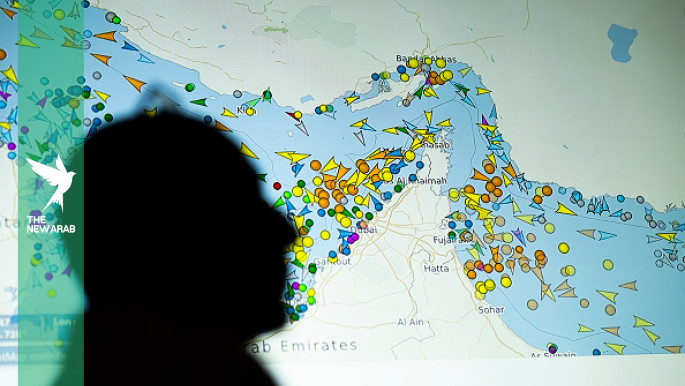
Stuck in a deadlock with Iran over the Strait of Hormuz, US President Donald Trump is attempting to undermine Iran’s main leverage – its blockade over the waterway – with the launch of “Project Freedom”.
While the president believes he can force Iran to meet his demands, the move may risk bringing both sides, as well as Israel, back to war.
The New Arab speaks to former US diplomat William Lawrence, director of regional studies at the National Council on US-Arab Relations, on Trump’s strategy and the chances of war continuing.
US ‘under more pressure’
According to Lawrence, neither Iran nor the US agreed to the ceasefire because they thought they were losing, with both believing they could gain more through negotiations.
“This makes the agreement extremely fragile, since neither side is willing to make sufficient concessions for a lasting peace as long as each believes it doesn’t need to compromise,” Lawrence says.
The former diplomat adds that the US blockade has caused a global economic crisis, putting more pressure on the United States than on Iran to reopen the strait.
He notes that Washington is trying, through its announcement of escorting ships, to influence oil prices and global markets in Trump’s favour. However, recent reports suggest that instead of actually escorting ships, the US is merely asking shipping companies to contact it by phone if they encounter problems.
According to Lawrence, both sides want the Strait of Hormuz open, but in different sequences and under different conditions.
“Whoever feels the pain first will lose,” he says, adding that Iran appears capable of enduring economic pressure longer than the United States and the global economy.
“The US has already felt the impact twice and seems more sensitive to economic pressure than Iran. It is more likely to offer small concessions to Iran—not a peace agreement, but a preliminary arrangement to reopen the strait and give the global economy some breathing room. However, this won’t resolve the deep structural problems.”
Lawrence forsees the conflict continuing in the general pattern seen over the past two months, with Trump taking weekly actions that boost stocks and lower oil prices, without actually resolving the crisis.
“Once people realise the problem isn’t solved, stocks fall again, and oil prices rise,” he says.
Will Trump attack Iran again?
Lawrence believes the likelihood of Trump attacking Iran is now greater than the likelihood of restraint, despite the president preferring not to be the one to restart the war.
Caught between the conflicting demands of his Israeli allies, members of his own Republican Party, and Iranian opposition activists seeking regime change, Trump still appears to be focused primarily on reopening the Strait of Hormuz. However, his usual strategy of dishing out threats and escalating seems to be having limited success with the Iranians.
A ‘low-intensity’ conflict
Lawrence suggests the most likely scenario is that the war will shift into a “low-intensity” conflict, similar to Israel’s situation with its neighbours. In such scenarios, periods of calm are punctuated by flare-ups, followed by weeks or months of calm and then renewed conflict.
A comprehensive peace deal would require concessions neither side is willing to make.
It is unclear whether the US will accept Iran’s three-phase proposal, which begins with reopening the Strait of Hormuz and puts the nuclear issue at a later stage.
For its part, Tehran is adamant that its nuclear programme will remain – a matter which Trump has described as a red line for Washington.
Israel, US on ‘high alert’ for war
Meanwhile, US officials were quoted by Fox News on Tuesday as saying that they are closer to resuming combat operations against Iran following the latest Iranian attacks on Monday, when Tehran struck the UAE’s Fujairah port with drones and fired warning shots at US military vessels.
The officials said the US military has been rearmed and reequipped, but indicated that it is up to President Trump and Iran’s leaders whether combat will resume.
Meanwhile, Israel also appears to be making preparations for a resumption of hostilities with Iran, with the Israeli army saying on Monday it was on “high alert” for the possibility.
“We are monitoring the situation and are on high alert amid the escalation in the Gulf,” the army said in a statement.
“We confirm that there is no change in the instructions of the Home Front Command,” it added.
Monday also saw Israeli Prime Minister Benjamin Netanyahu hold “a series of security consultations” over the situation in the Gulf, where Iran launched drone attacks on the United Arab Emirates, according to Israel’s Kan broadcaster.