A powerful windstorm and heavy rainfall have left a trail of destruction across Jigawa State, killing at least seven people, injuring more than 1,400 others, and affecting over 5,400 residents in one of the state’s worst weather disasters this year….
A powerful windstorm and heavy rainfall have left a trail of destruction across Jigawa State, killing at least seven people, injuring more than 1,400 others, and affecting over 5,400 residents in one of the state’s worst weather disasters this year.
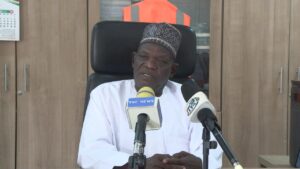
The Executive Secretary of the Jigawa State Emergency Management Agency (SEMA), Hannafi Yakubu, disclosed this after an assessment of the affected communities.
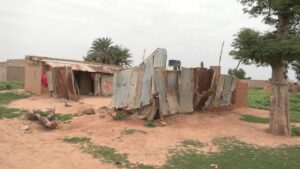
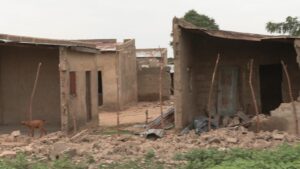
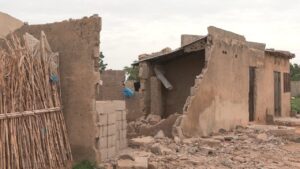
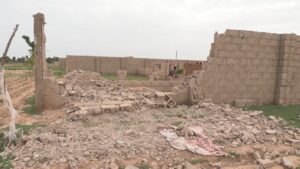
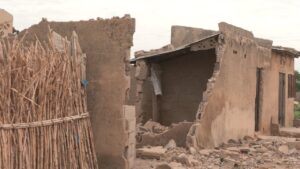
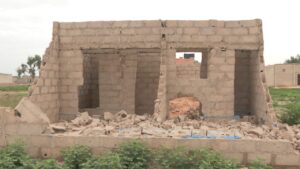
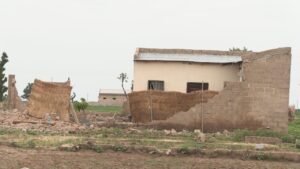
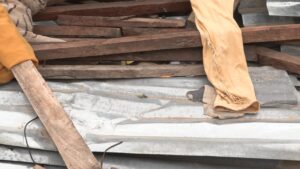
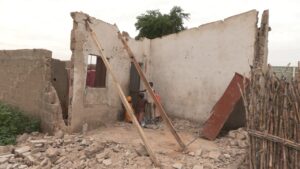
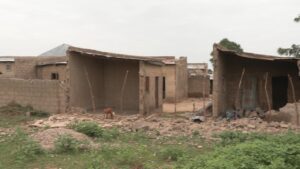
He says the disaster has impacted 5,403 households in 120 communities across 13 local government areas, including Dutse, Miga, Gwaram, Birnin Kudu, Ringim, Kiyawa, Babura, Kiri-Kasamma, Buji, Kaugama, Gumel, Gagarawa and Sule Tankarkar.
According to him, four people died in Dutse, while one death each was recorded in Miga, Ringim and Sule Tankarkar local government areas.
Beyond the loss of lives, the storm has also damaged critical public infrastructure.
At least 47 primary and secondary schools, three hospitals and two police stations were destroyed, disrupting education, healthcare and security services in the affected communities.
The agency says the state government has already approved funds to provide emergency relief and support for affected families.
It is also appealing to the Federal Government, development partners, humanitarian organisations and well-meaning Nigerians to assist victims as recovery efforts continue.
For many survivors, the statistics tell only part of the story.
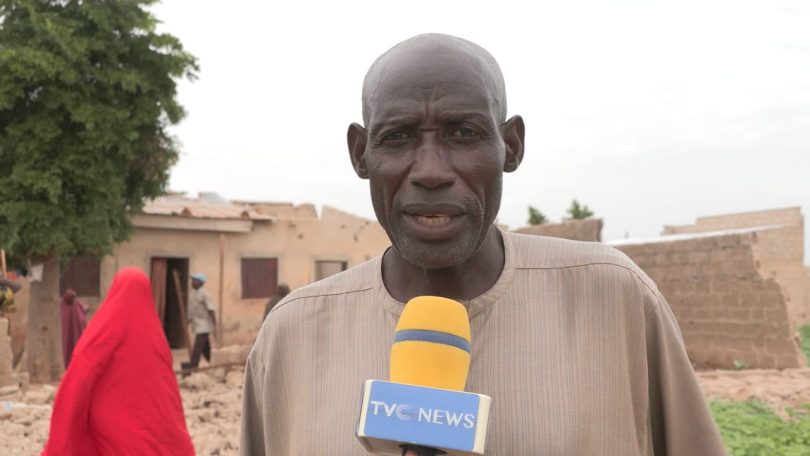
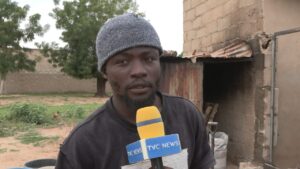
Ibrahim Musa and Simon Lawan, whose homes were destroyed, say they lost their houses, household belongings and means of livelihood within minutes of the storm.
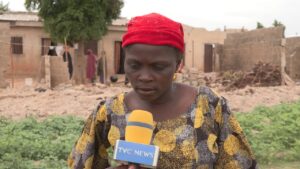
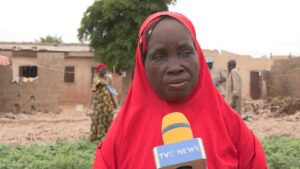
For Binta Abdullahi, a widow and mother of three, the disaster has become a daily struggle.
The wind tore off the roof of her house, leaving her family without shelter.
She says whenever it rains, she and her children have nowhere safe to stay.
As climate-related disasters become more frequent across Nigeria, emergency officials say stronger preparedness, resilient infrastructure and faster humanitarian support will be critical to protecting vulnerable communities.
The affected residents are now calling on government, international organisations, corporate bodies and philanthropists to come to their aid as they begin the difficult task of rebuilding their lives.