
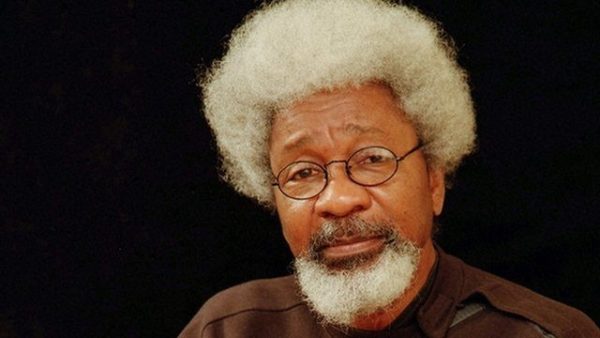
Dear Prof. Wole Soyinka,
I write to you as a student of literature from the Department of English and Literary Studies, Delta State University, Abraka, and as one who has journeyed through the rich traditions of African literature—from the pre-colonial era through the colonial and post-colonial periods, to modernism and the Eco- conscious ecology in Literature.
As literary scholars, we have studied the history of African consciousness, the struggles of our people against colonial domination, and the determination of African writers to reclaim the dignity of the Black race.
We have read about the historic gathering of African writers at Makerere University in Kampala, Uganda.
The historic gathering, the First African Writers Conference, officially called the “Conference of African Writers of English Expression” in June 1962, where intellectuals from across the continent came together to define Africa’s identity, heritage, and future. They spoke against oppression, challenged false narratives about Africa, and affirmed the beauty, strength, and humanity of African peoples.
Those pioneers—writers, thinkers, and visionaries—stood firmly in defence of African pride and self-determination.
Through their pens, they gave Africa a voice. Through their courage, they inspired generations to embrace their heritage without apology.
Today, however, I write with deep concern. Across parts of Africa, particularly in South Africa, xenophobic attacks against fellow Africans have become a recurring tragedy. Nigerians, Ghanaians, Zimbabweans, Cameroonians, Kenyans and citizens of other African nations have at various times faced hostility, violence, destruction of property, and displacement. These incidents raise troubling questions about the future of Pan-Africanism and African unity.
What has become of the dream of a united Africa? What has become of the ideals championed by the scholars, writers, and activists who dedicated their lives to building a common African consciousness?
The generation of literary giants that shaped modern African thought is gradually passing. The voices of great figures such as and are now part of history. Yet you remain one of the most respected living custodians of that intellectual tradition, a voice whose words continue to command attention across Africa and the world.
Prof. Soyinka, Africa needs voices of conscience. You once emphasised the role of intellectuals and teachers as the conscience of society. Today, many Africans look to leaders, scholars, and cultural icons to remind us of our shared humanity and common destiny.
Let me take a slight moderation from your remarkable quotes in the literary phenomenon in the The Man Died: “The man dies in all who keep silent in the face of tyranny.”
“Books and all forms of writing have always been objects of terror to those who seek to suppress truth.”
“You cannot live a normal existence if you haven’t taken care of a problem that affects your life and affects the lives of others.”
“Some people say I’m pessimistic because I recognize the eternal cycle of evil. All I say is, look at the history of mankind right up to this moment and what do you find?”
Why must Africans become enemies of fellow Africans? I write to you at a defining moment in Africa’s history—a moment that demands reflection, courage, and the intervention of voices that have long stood as moral compasses for our continent.
Africa stands at a crossroad. From the pre-colonial era through colonial domination and into the post-colonial period, our continent has grappled with challenges of leadership, underdevelopment, inequality, unemployment, and social instability. While each African nation faces its own peculiar circumstances, there remains a common thread that binds us together: the struggle to build a continent founded on justice, dignity, and shared prosperity.
Today, one of the most disturbing manifestations of this crisis is the recurring wave of xenophobic attacks in South Africa. Human lives have been lost. Businesses owned by fellow Africans have been destroyed. Families have been displaced. Fear and hatred have been allowed to flourish where unity and solidarity should prevail.
These attacks transcend the themes explored by many African writers who chronicled colonial oppression and racial injustice. What confronts us today is the painful reality of Africans turning against fellow Africans. It is a tragedy that strikes at the very heart of Pan-Africanism and undermines the dream of a united continent.
Dear Prof., this is a time for voices of conscience to rise. It is a time for intellectuals, writers, statesmen, and advocates of justice to speak boldly against intolerance and division. Your voice has, for decades, challenged tyranny, defended human dignity, and inspired generations across Africa and beyond. It is a voice that carries moral authority.
Speak, Professor, speak! Speak against xenophobia and hatred. Speak for the dignity of every African, regardless of nationality.
Speak for unity, coexistence, and the ideals upon which a prosperous Africa must be built. Let your words remind us that the borders drawn by history must never become walls that separate our humanity.
Let us raise our collective voices to rebuild Africa—an Africa where diversity is celebrated, where opportunity is shared, and where no African is treated as a stranger on African soil.
The future of our continent depends not only on governments and institutions but also on courageous voices willing to defend our common humanity.
We await your voice and your wisdom at this crucial moment in our history.
I am a concerned African Citizen.
When South Africans were in deepest of pains in their Aparthied history, Africans added their voices to their freedom. Lines from the famous South African Poet, Oswald Mtshali tell a lot:
NIGHTFALL IN SOWETO
Nightfall comes like
a dreaded disease
More details here…