
National

Zazzau Emir Backs 100% Pay Rise For Kaduna Traditional Rulers

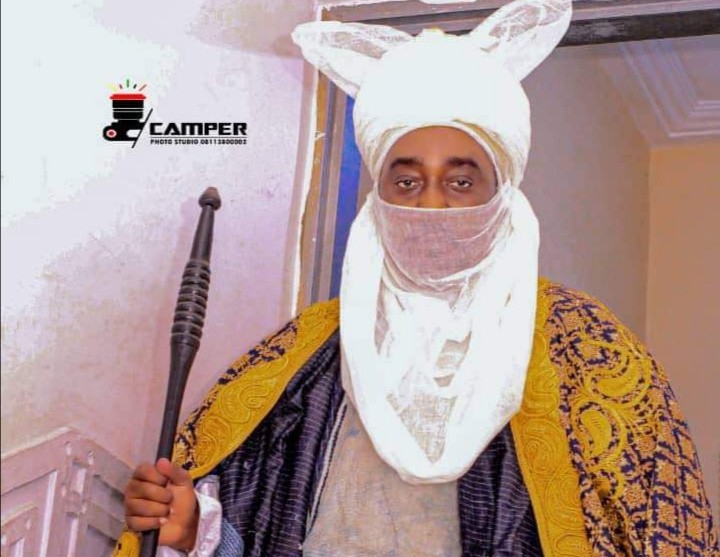
The Emir of Zazzau, Ahmed Bamalli, has backed the proposed doubling of salaries and allowances for traditional rulers in Kaduna State, describing the move as timely amid the rising cost of living.

Bamalli, who chairs the Kaduna State Council of Chiefs, said the current remuneration of traditional rulers had lost significant value because of inflation and the declining purchasing power of the naira.

He spoke on Friday at his palace in Zaria while briefing journalists on developments within the Zazzau Emirate.

According to him, the proposed increase had been under consideration for about seven months, with Governor Uba Sani and the Commissioner for Local Government and Chieftaincy Affairs, Sadiq Mamman-Lagos, working towards its implementation.

He expressed optimism that the new package would soon take effect following the government’s announcement.

“The proposed increase is a welcome relief for the traditional institution. The value of money has gone down significantly and what traditional rulers currently receive is not enough when compared with what obtains in some other emirates,” Bamalli said.

The monarch praised Sani and Mamman-Lagos for their support for traditional institutions, saying the relationship between the government and the traditional council had encouraged consultations on issues affecting communities.

He stressed that traditional rulers remained important to governance despite not being politicians, particularly in resolving disputes, mobilising communities and maintaining peace.

Bamalli disclosed that the Zazzau Emirate had settled more than 2,000 civil disputes through its alternative dispute resolution mechanism over the past two years.

He said the system had reduced the pressure on conventional courts, with the palace handling an average of five cases every day from Monday to Thursday.

“Most of the cases are matrimonial disputes, inheritance, land matters and other civil disagreements. Criminal matters are referred to the conventional courts,” he said.

He added that the emirate’s dispute resolution initiative had attracted commendation from members of the judiciary.

On the 2027 general elections, Bamalli said the traditional institution would continue engaging relevant stakeholders to ensure that political activities did not undermine peace in the Zazzau Emirate.

He attributed the relative stability in the emirate to an inclusive approach to traditional leadership, saying the palace had ensured that various ethnic and religious communities were represented.

The Emir said the palace had recognised Igbo, Yoruba and Fulani communities, alongside Christian leaders, to facilitate direct communication and early access to information from different parts of the emirate.

“We have tried to ensure that everybody feels that they belong. We have recognised the major communities and Christian leaders so that we can get information directly from the people. This has helped us to build trust and confidence,” he said.

On insecurity, Bamalli said the emirate remained largely peaceful, although Giwa Local Government Area continued to face security concerns due to its proximity to Niger, Katsina and Zamfara states.

He said the palace maintained regular contact with security agencies and submitted weekly intelligence reports to the state government.

“Whenever there is urgent information, we escalate it immediately. The collaboration among the traditional institutions, the state government and security agencies has helped us to curtail threats and sustain peace,” he said.

The Emir said he was confident that continued cooperation among traditional institutions, government and security agencies would further strengthen peace and development across Kaduna State.


National

Zazzau Emir Backs 100% Pay Rise For Kaduna Traditional Rulers

The Emir of Zazzau, Ahmed Bamalli, has backed the proposed doubling of salaries and allowances for traditional rulers in Kaduna State, describing the move as timely amid the rising cost of living.

Bamalli, who chairs the Kaduna State Council of Chiefs, said the current remuneration of traditional rulers had lost significant value because of inflation and the declining purchasing power of the naira.

He spoke on Friday at his palace in Zaria while briefing journalists on developments within the Zazzau Emirate.

According to him, the proposed increase had been under consideration for about seven months, with Governor Uba Sani and the Commissioner for Local Government and Chieftaincy Affairs, Sadiq Mamman-Lagos, working towards its implementation.

He expressed optimism that the new package would soon take effect following the government’s announcement.

“The proposed increase is a welcome relief for the traditional institution. The value of money has gone down significantly and what traditional rulers currently receive is not enough when compared with what obtains in some other emirates,” Bamalli said.

The monarch praised Sani and Mamman-Lagos for their support for traditional institutions, saying the relationship between the government and the traditional council had encouraged consultations on issues affecting communities.

He stressed that traditional rulers remained important to governance despite not being politicians, particularly in resolving disputes, mobilising communities and maintaining peace.

Bamalli disclosed that the Zazzau Emirate had settled more than 2,000 civil disputes through its alternative dispute resolution mechanism over the past two years.

He said the system had reduced the pressure on conventional courts, with the palace handling an average of five cases every day from Monday to Thursday.

“Most of the cases are matrimonial disputes, inheritance, land matters and other civil disagreements. Criminal matters are referred to the conventional courts,” he said.

He added that the emirate’s dispute resolution initiative had attracted commendation from members of the judiciary.

On the 2027 general elections, Bamalli said the traditional institution would continue engaging relevant stakeholders to ensure that political activities did not undermine peace in the Zazzau Emirate.

He attributed the relative stability in the emirate to an inclusive approach to traditional leadership, saying the palace had ensured that various ethnic and religious communities were represented.

The Emir said the palace had recognised Igbo, Yoruba and Fulani communities, alongside Christian leaders, to facilitate direct communication and early access to information from different parts of the emirate.

“We have tried to ensure that everybody feels that they belong. We have recognised the major communities and Christian leaders so that we can get information directly from the people. This has helped us to build trust and confidence,” he said.

On insecurity, Bamalli said the emirate remained largely peaceful, although Giwa Local Government Area continued to face security concerns due to its proximity to Niger, Katsina and Zamfara states.

He said the palace maintained regular contact with security agencies and submitted weekly intelligence reports to the state government.

“Whenever there is urgent information, we escalate it immediately. The collaboration among the traditional institutions, the state government and security agencies has helped us to curtail threats and sustain peace,” he said.

The Emir said he was confident that continued cooperation among traditional institutions, government and security agencies would further strengthen peace and development across Kaduna State.