
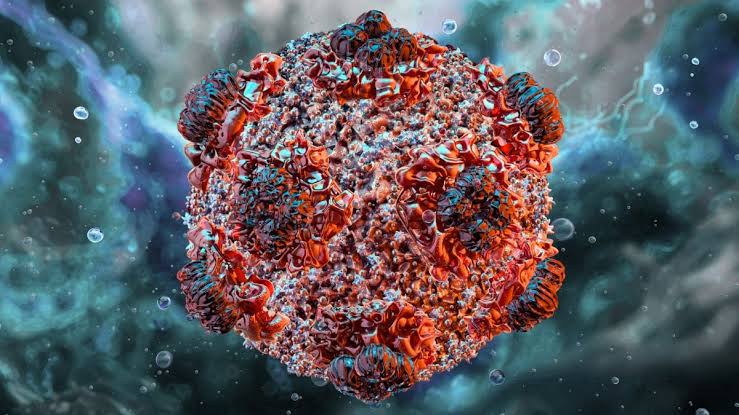
Health authorities are reportedly racing to trace dozens of cruise ship passengers after a deadly hantavirus outbreak was linked to a voyage where infected travelers had already dispersed across multiple countries before the illness was confirmed.
According to reports, between 30 and 40 passengers aboard the cruise ship had already traveled onward to destinations including the United States, the United Kingdom, Switzerland, and several other countries before officials identified the outbreak. The situation has triggered international health concerns as authorities work to locate exposed individuals and prevent further spread. ....…
Hantavirus is a rare but potentially fatal disease commonly spread through contact with infected rodents, particularly through their urine, droppings, or saliva. In severe cases, the virus can lead to hantavirus pulmonary syndrome, a life-threatening respiratory illness that can develop rapidly.
Officials confirmed that at least one death has already been linked to the outbreak, raising fears about how many passengers may have unknowingly carried the virus while traveling internationally. Public health agencies are now coordinating cross-border contact tracing efforts to identify passengers, crew members, and anyone who may have come into close contact with infected individuals.
The cruise ship has become the center of a growing investigation, with health experts examining possible sources of exposure onboard. While hantavirus does not typically spread easily from person to person, authorities remain cautious due to the number of travelers involved and the international movement that occurred before confirmation of the outbreak.
Passengers who were onboard the affected cruise are being urged to monitor their health closely for symptoms including fever, fatigue, muscle aches, dizziness, and breathing difficulties. Medical experts say early diagnosis can improve survival chances, especially in severe respiratory cases.
The incident has also sparked renewed discussions about health screening protocols in international travel and cruise tourism. Many travelers are now questioning whether enough preventive measures are in place to detect rare infectious diseases before passengers disembark and continue to other destinations.
As investigations continue, health agencies across affected countries are expected to release further updates regarding confirmed cases, quarantine recommendations, and possible exposure locations tied to the cruise passengers.
The outbreak serves as another reminder of how quickly infectious disease concerns can cross borders in an era of global travel, even when the illness involved is considered relatively rare.