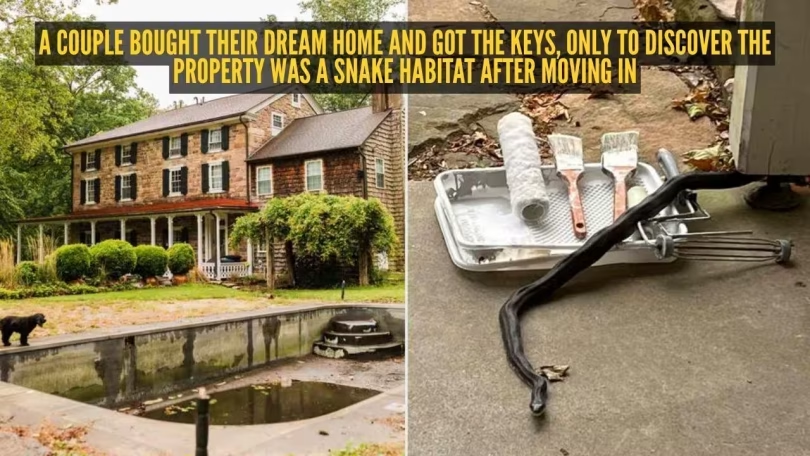
Buying a dream home is often the beginning of an exciting new chapter. For Tyler and Lauren Bouldin, however, moving into their historic Pennsylvania property came with an unexpected surprise – one that slithered into almost every part of their new life. According to an exclusive report by People, the couple discovered that the neglected grounds surrounding their newly purchased 1830s stone home had become a thriving habitat for snakes. What they thought would be a challenging home restoration soon turned into an equally demanding wildlife management project, as they found themselves sharing the property with black snakes, water snakes and even venomous copperheads.
A historic home hiding an unexpected problem
Tyler and Lauren bought the abandoned stone house at an auction in late 2020. Despite its deteriorated condition, they fell in love with its historic charm, mature trees, nearby creek and surrounding protected forest. They knew restoring the centuries-old home would require years of hard work but they never imagined the land had become an ideal habitat for reptiles. According to Tyler, the house had been abandoned for years. The main floor had no usable flooring, the grand staircase was collapsing and the kitchen had disappeared entirely. Years of neglect had also allowed nature to reclaim the property. Dense vegetation, debris, overgrown gardens and abandoned structures created the perfect environment for mice, frogs and rabbits – an abundant food source that attracted numerous snakes. The reality became clear almost immediately after they received the keys. Tyler spotted a black snake climbing one of the property’s towering sycamore trees in search of wood duck eggs. Over time, snake encounters became almost a daily occurrence, with reptiles frequently appearing around the house and even climbing exterior walls.

Learning to live alongside wildlife
During the first six months of renovations, the family lived in a caretaker’s apartment inside the property’s barn while making the main house habitable. With their young son and expecting their second child, every trip outdoors required extra caution.Initially, the couple chose a “live and let live” approach after learning that black snakes help control rodent populations and may discourage copperheads from settling in the same area. However, that confidence faded when Tyler noticed black snakes sharing hiding spots with venomous copperheads near an abandoned swimming pool and beneath rocks close to the home’s entrance. Rather than trying to eliminate the wildlife, the couple decided to make the property less attractive to snakes. They cleared piles of rubbish, removed dense overgrowth, restored gardens, repaired stone walls and sealed openings in the house and barn that provided shelter for rodents. They also removed the abandoned in-ground pool, restored the pond with filters and fountains, and even planted mint around buildings, believing it could help discourage snakes.Whenever snakes still appeared near the home, Tyler used a six-foot snake grabber to safely capture and relocate them elsewhere instead of harming them. Their goal, he explained, was to protect their family while respecting the surrounding wildlife.
Five years later, the dream finally feels like home
The couple says their years of work have transformed both the property and their daily lives. Although snakes are still part of the natural landscape surrounding their rural Pennsylvania home, sightings have become far less frequent than they were during the early years of restoration. Tyler told People that while they may still encounter a snake from time to time, it is a dramatic improvement compared with seeing them almost every day when they first moved in. Looking back, the experience taught the family that restoring an old home involves far more than repairing walls and replacing floors. Unexpected challenges, from wildlife and structural problems to budget overruns and delays, can become part of the journey. Despite those obstacles, the couple says they never lost sight of their dream.Today, the once-abandoned property has been transformed into the family home they envisioned, proving that patience, persistence and respect for nature can sometimes be just as important as construction work when restoring a historic house. (Source: This article is based on an exclusive report by People, featuring Tyler Bouldin’s firsthand account of discovering and managing the snake habitat on the property after purchasing the home.)