The African Caucus and the International Monetary Fund, IMF, have reaffirmed their commitment to strengthening cooperation to help African countries withstand economic shocks and accelerate economic transformation.
The commitment followed a meeting of the African Caucus during the 2026 IMF-World Bank Annual Meetings in Bangkok, Thailand.
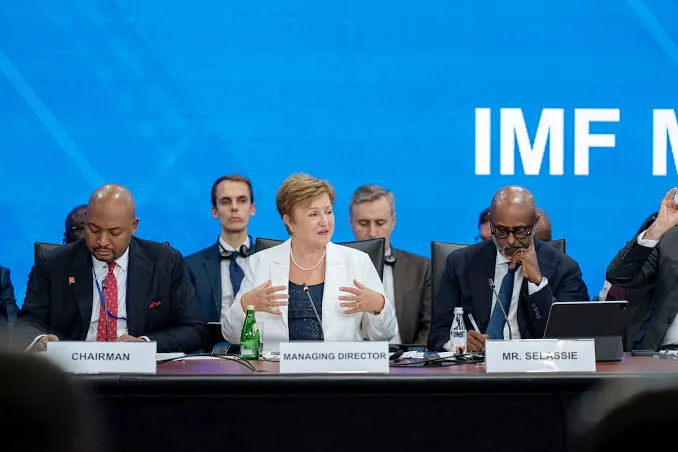
In a joint statement issued after the meeting, Seedy Keita, chair of the African Caucus and The Gambia’s Minister of Finance and Economic Affairs, and IMF Managing Director Kristalina Georgieva said African economies had demonstrated resilience despite mounting global economic pressures.
They projected that economic growth across Africa would remain at 4.5 per cent in 2026, while inflation was expected to decline to 9.3 per cent, although it would remain elevated.
The officials said the spillover effects of the war in the Middle East, rising energy prices, debt-servicing costs and declining external assistance continued to put pressure on African economies.
They noted that while higher commodity prices could benefit resource-rich countries, other economies would require fiscal measures to cushion the effects of external shocks.
The statement, however, warned that several African countries remained vulnerable to debt pressures, with debt-servicing obligations consuming resources needed for development.
It added that tighter global financial conditions and a severe El Niño weather phenomenon could further compound the continent’s economic challenges.
The African Caucus said Africa’s entrepreneurial potential could become a major driver of global economic growth if countries strengthened macroeconomic stability, mobilised domestic resources and accelerated job creation.
The officials stressed that economic stability remained essential for sustained and inclusive growth, urging African governments to contain inflation, maintain fiscal and debt sustainability, strengthen policy frameworks and improve governance and transparency.
They also called for reforms to improve domestic revenue mobilisation, including modernising tax systems, broadening the tax base and strengthening compliance.
According to the statement, improved revenue collection and more efficient public spending would help governments protect vulnerable households, meet development needs and finance climate-resilient projects.
The officials added that international support through affordable financing and technical assistance remained important to addressing Africa’s development challenges.
They further stressed the need for structural reforms to attract investment, develop financial markets and deepen regional economic integration.
The statement said full implementation of the African Continental Free Trade Area (AfCFTA) would help expand markets, strengthen regional value chains and improve the continent’s competitiveness in the global economy.
The IMF reaffirmed its commitment to supporting African member countries through policy advice, capacity development and financing where necessary.
It said the support would help countries rebuild economic buffers, protect vulnerable populations and promote resilient, inclusive growth capable of generating jobs.
The African Caucus also welcomed what it described as a stronger voice for sub-Saharan Africa following the appointment of a third chair from the region to the IMF Executive Board.
It called for continued efforts to strengthen the partnership with the IMF, including sustained progress towards greater African representation in the institution.