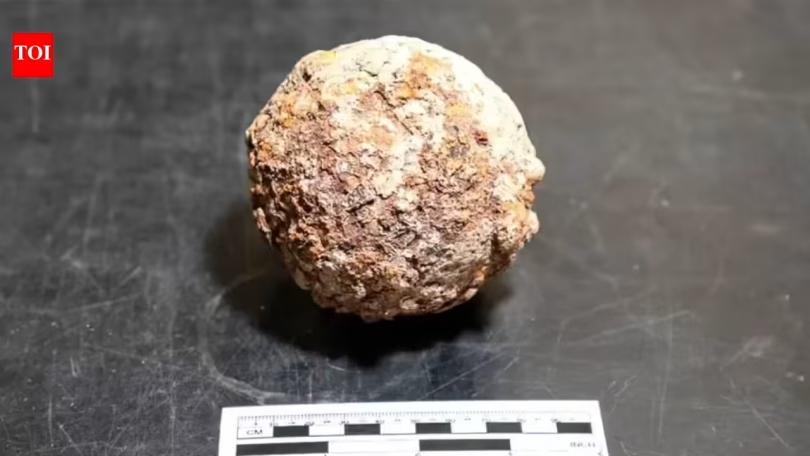
Wars may be a vital part of history, but they mostly remain in books. In the rare moments when they materialise through evidence such as tools and weapons, humanity stands shocked over its own past. Currently, something similar has happened with archaeologists who have uncovered a cannonball that may have been fired during the 1836 Battle of the Alamo.On June 2, 2026, the team found the cannonball just three months after making a similar discovery before, near the Alamo Church in San Antonio. The Alamo Trust, the non-profit organisation that oversees the Alamo Mission announced the discovery on June 16, 2026. It was found outside the northeast corner of the Alamo Church, in an adjacent excavation unit where another intact bronze cannonball was discovered in March.Pictures reveal a heavy crust covering the newly discovered iron cannonball, which appears orange-brown in colour. Since it was found at the same depth as the first cannonball in a neighbouring excavation unit, archaeologists believe it likely remained untouched for nearly 190 years.“So whenever they were dropped, the very first time — possibly in 1836, probably — they haven’t been touched since,” Tiffany Lindley, director of archaeology at the Alamo, said in a press release. “And that’s what makes them extra special.”
The Battle of the Alamo
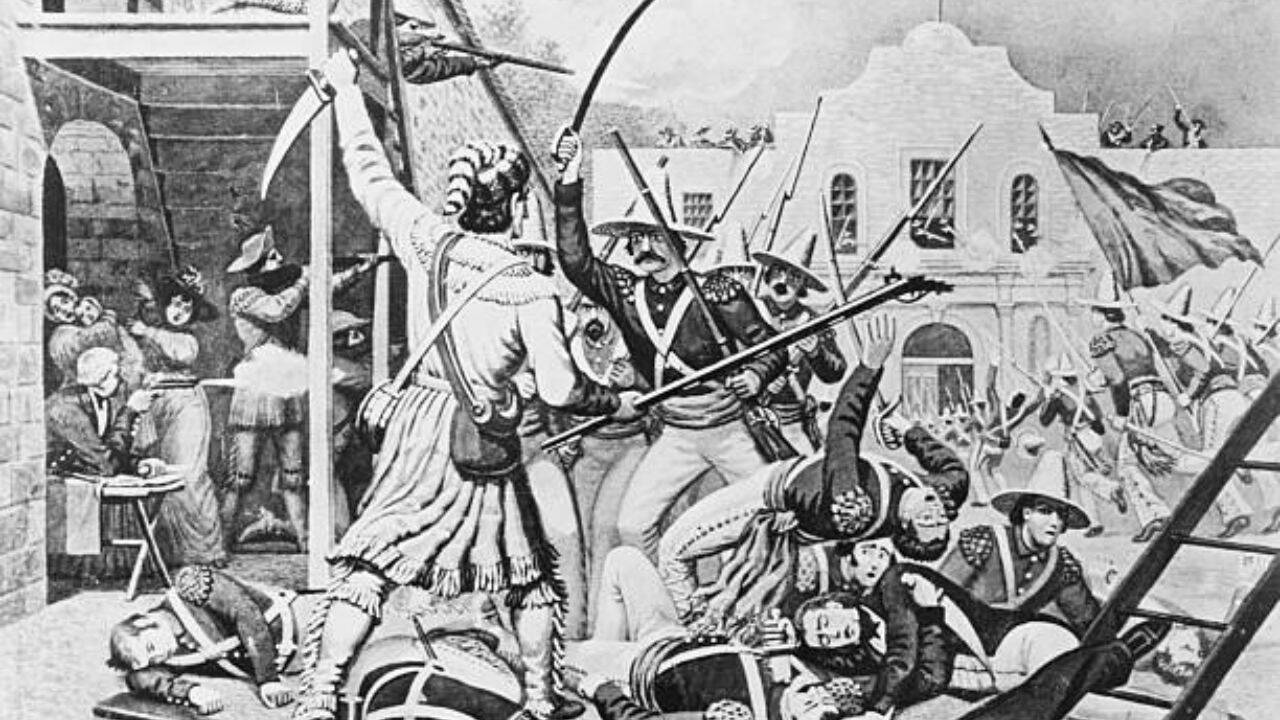
The Battle of the Alamo stands as one of the most important conflicts in the history of the state of Texas.
The Battle of the Alamo stands as one of the most important conflicts in the history of the state of Texas. The fight between Mexican forces and Texian rebels lasted from February 23 to March 6, 1836. The battle saw Texian forces including Davy Crockett and William B. Travis hold off a much larger Mexican army. The 13-day siege ended with Mexican troops overrunning the Texian defenders and killing 180 of them, a loss that triggered the Texas Revolution to seek independence from Mexico.
Evidences of history
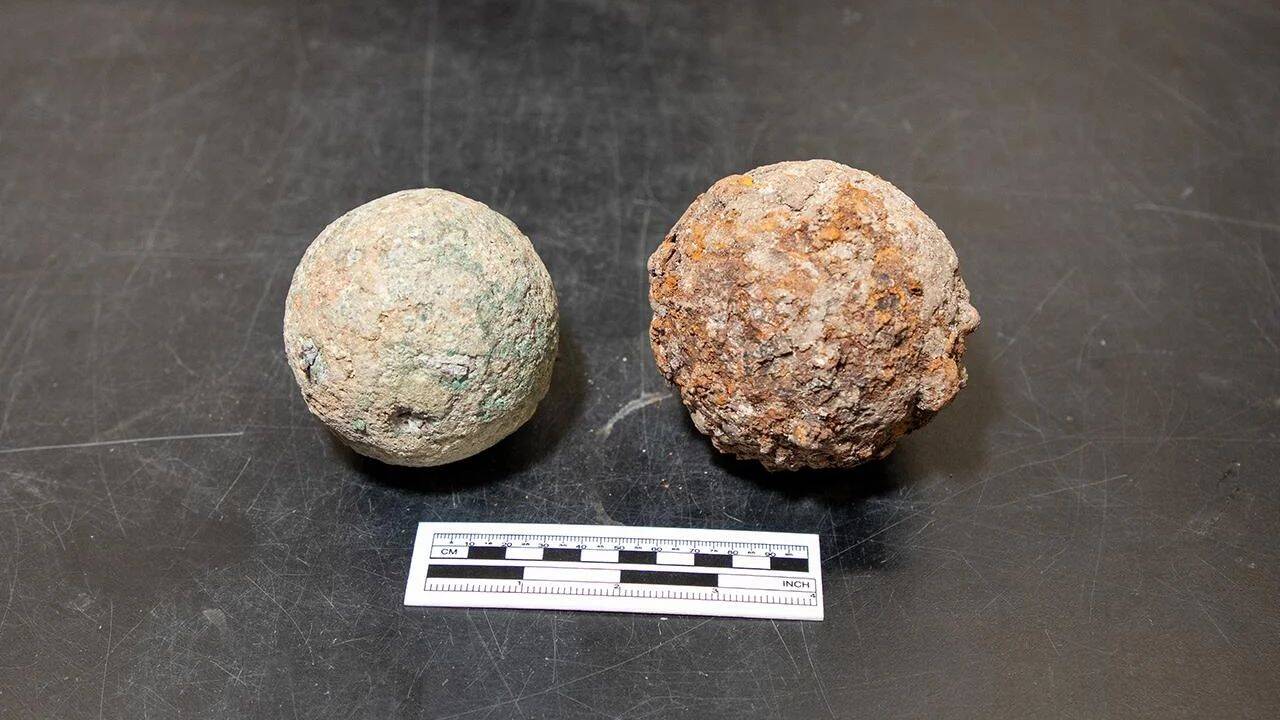
On June 2, 2026, the team found the cannonball just three months after making a similar discovery before, near the Alamo Church in San Antonio
Researchers were surprised to find the second cannonball, they told media outlets. The site has undergone extensive use over the years, including occupation by the US military quartermaster and commercial development around the historic grounds.“All of that has impacted a significant portion of the underground resources,” said Lindley. “It was amazing to find one cannonball, and then to follow it up a couple of months later with a second was quite surprising.”The Alamo has produced many pieces of ammunition, fragments of weapons and battlefield debris over decades of archaeological work. The cannonballs stand out since they are completely solid shots, spherical projectiles fired from cannons. Historians believe the bronze projectile likely belonged to the Mexican Army, while the iron one was associated with Texan defenders. Since the cannonballs were found close together, historians think they could represent evidence of artillery fire exchanged between opposing sides during the siege.“We are finding dozens of exciting historic artefacts every day, along with hundreds of maybe not so exciting artefacts, like nails and bricks,” said Lindley.This is due to the Alamo Trust, a non-profit that manages the restoration site and announced a $700 million renovation project to preserve the standing original buildings of the Alamo including the Alamo Church and the Long Barrack and the battleground. In addition, the site will undergo construction of a new visitor centre and museum, expected to open in the spring of 2028 and feature artefacts from the battle.