
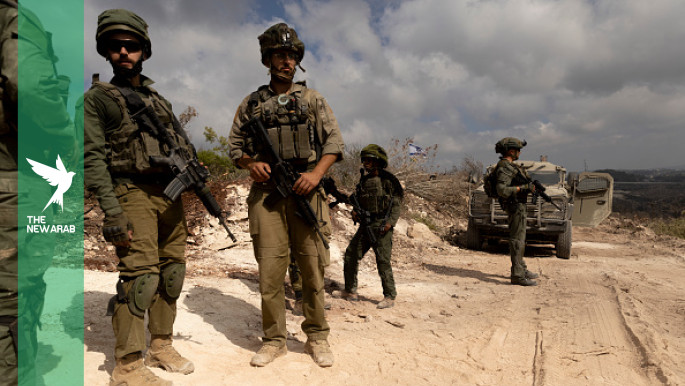
Israeli forces in southern Lebanon struck by ‘cave fever’ outbreak. [Getty]
Seven Israeli soldiers who had been stationed in Lebanon have contracted “cave fever”, also known as endemic relapsing fever, and were hospitalised in recent days, according to Israeli media reports.
Israeli outlet Ynet reported on Wednesday that the soldiers were admitted to several hospitals, including Assuta Ashdod Hospital and Ichilov Medical Centre, after developing symptoms linked to the disease.
The report added that a larger number of soldiers who had been exposed to the same conditions were also treated preventively after coming into contact with the bacteria that cause the illness. Their conditions were described as mild.
The Israeli army confirmed the cases in a statement, saying: “During fighting in southern Lebanon, seven soldiers were transferred for medical treatment after developing symptoms of illness.”
It added that all infected soldiers had received treatment in accordance with medical guidance and were currently not taking part in combat operations. The army said they would return to duty once they regained operational readiness.
“Cave fever” is caused by a bacterium known as Borrelia persica and is transmitted through bites from soft ticks, which are commonly found in caves, ruins and animal burrows.
Tal Brosh, head of the infectious diseases unit at Assuta Ashdod Hospital and chairman of Israel’s Health Ministry epidemic response team, said the illness was particularly common among cave explorers and soldiers operating in open terrain.
“The ticks usually live in caves. When they sense a nearby animal, they climb onto it and feed on its blood,” Brosh said. “In Israel, the disease is common among cave explorers and combat soldiers carrying out field operations.”
Brosh noted that many infected people do not notice when they are bitten because the bite itself is painless. He said patients may sometimes discover a small bruise at the site of the bite, often in hidden areas such as the armpits or buttocks.
He explained that symptoms include recurring high fevers and headaches every few days, with some cases becoming severe. Untreated infections can lead to complications, including bacteria reaching the brain.
Other symptoms can include coughing, breathing difficulties, nausea, muscle and joint pain, and skin rashes.
The cases come amid ongoing Israeli military operations in southern Lebanon despite a declared ceasefire.