The Taliban has been invited to Brussels for talks on deporting Afghan migrants refused permission to stay in the European Union. It comes after technical talks between the two sides in Afghanistan in January.
European Commission spokesperson Markus Lammert said 20 EU and Schengen countries had called for talks in 2025. They complained that only 2% of Afghans ordered to return to the Central Asian country had actually returned. Mr Lammert said most were either criminals, seen as a security threat or both.
He was quoted by news outlet DW.com as saying: “We’re speaking here about persons who pose a security threat. These are the persons that member states want to return.”
Germany and Sweden are among the EU member states who want action on the issue.
The Germans’ push came after an Afghan national ordered to leave the country went on the rampage in the Bavarian city, Aschaffenburg.
A two-year-old boy and a 41-year-old who tried to intervene were killed. Three people were injured, including a girl aged two.
Brussels has not officially recognised the Taliban leadership of Afghanistan, where EU countries have been challenged over bids to return migrants in courts and parliaments.
In April, UK Home Secretary Shabana Mahmood signalled the UK could be open to talks with the Taliban on sending failed asylum seekers back to Afghanistan.
Ms Mahmood said the UK was “monitoring very closely” what other countries were planning to do amid what were at that time reports of European countries exploring talks with the Taliban about possible deportations.
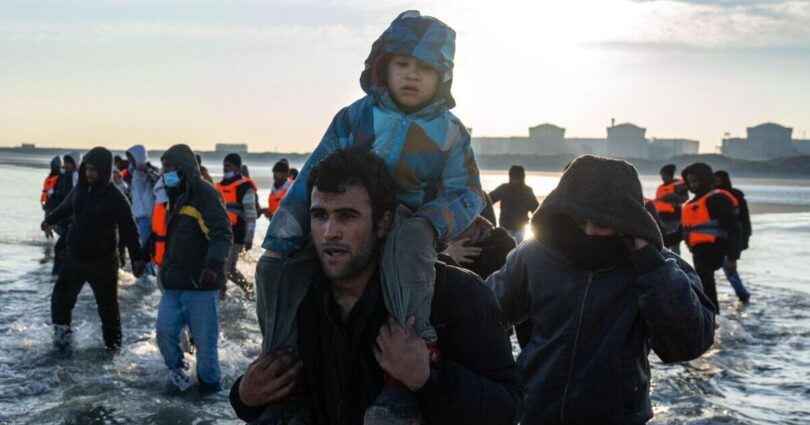
Afghans were the most common nationality arriving by small boat to the UK in the year ending June 2025, with the number of arrivals at 6,360 – 18% higher than the previous year.
The Government does not recognise the Taliban administration, which is a barrier to sending back those not granted refugee status.
The Home Secretary told reporters late last month: “We’re monitoring very closely what is happening in terms of other countries, whether that’s European partners or others, and conversations they are having with other countries including Afghanistan.
“I’m not going to get into any additional discussions that are happening in government – we’ll have more to say about that in the future – but of course we monitor closely and we work with our partners in terms of the efforts that we all need to make collectively to try to get agreements.
“I’m not ruling it in or out. I’m not going to give a running commentary on additional conversations that are happening.”