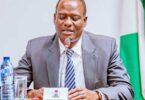
Abdulhamid Kwarra, a former Majority Leader of the Nasarawa State House of Assembly, has urged parents to enrol their children in schools they can afford rather than allow them to remain out of school due to rising school fees.
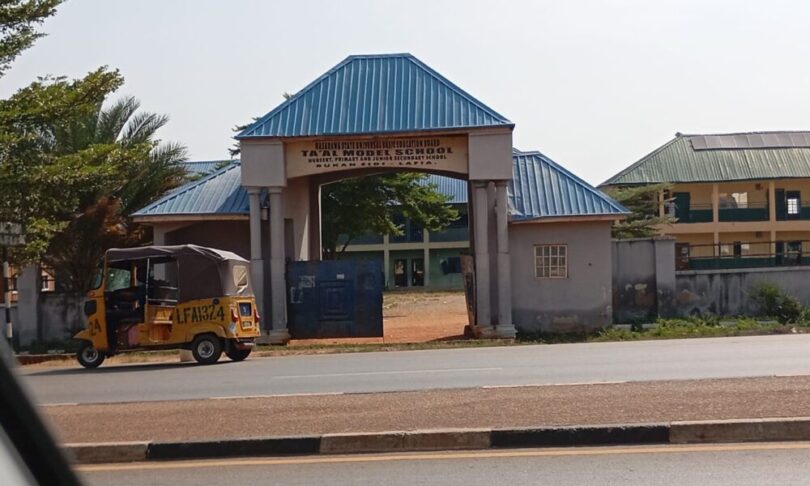
Five weeks after the new academic session began in Nasarawa State, some pupils and students are yet to return to the classroom due to economic hardship and rising school fees.
Some parents attributed the situation to the prevailing economic challenges, saying they found it increasingly difficult to meet their children’s educational needs, particularly the payment of school fees.
It was also observed that some schools had increased their fees by more than 30 per cent, further worsening the financial burden on parents, especially during the first term when several expenses are required.
A civil servant with the Nasarawa State Government, Paul Dangana, said his children were still at home pending the payment of his October salary, despite the fact that the first term was already underway.
Mr Dangana expressed concern over the difficulty of keeping his children in school amid the rising cost of living.
Abdulhamid Kwarra, a former Majority Leader of the Nasarawa State House of Assembly, has urged parents to enrol their children in schools they can afford rather than allow them to remain out of school due to rising school fees.
Similarly, Nuhu Jalal, a Point of Sale (POS) operator in Lafia, said that he paid the school fees of his children early to prevent the school from sending them home.
He said the school increased the fees but he made extra savings to pay.
Meanwhile, some private school proprietors in Lafia who spoke to our correspondent attributed the increase in school fees to multiple taxes and levies imposed by the state and local governments, as well as the rising cost of running their institutions.
One of the school representatives explained that school fees remained their major source of income for meeting operational expenses.
“We rely on finances generated from the school to pay our bills,” the representative said.
“We pay salaries, revenue and other infrastructure upkeep costs, apart from expenses on school facilities and books.”
The situation has also affected students who resumed at the beginning of the term but were unable to pay their school fees.
Some of them were seen around their school premises after the authorities reportedly sent them home.
The development has raised concerns about the impact of economic hardship and increasing education costs on school enrolment and attendance in Nasarawa State, with some children at risk of missing valuable classroom learning as the term progresses.