
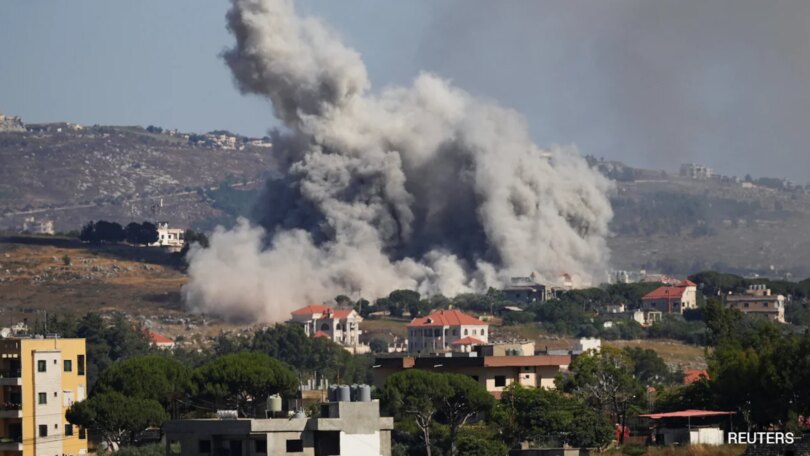
A fresh round of fighting between Israel and Hezbollah in southern Lebanon is creating new complications for efforts to ease tensions across the Middle East.
According to CNN, the ongoing clashes are now threatening a broader understanding between the United States and Iran, which includes a proposed ceasefire in Lebanon. The agreement is meant to stop attacks involving Hezbollah, Iran’s most important regional ally, and reduce the risk of a wider conflict.
How Did The Conflict Start?
The roots of the conflict go back decades.
Hezbollah, a powerful Shiite Islamist group backed by Iran, emerged in Lebanon during the 1980s. Since then, it has repeatedly fought Israel and built a large stockpile of rockets, missiles and drones with Iranian support.
One of the biggest confrontations came in 2006, when Hezbollah captured two Israeli soldiers during a cross-border raid. Israel responded with a major military campaign that lasted more than a month. As per the CNN report, an independent Israeli inquiry later described the operation as “a serious missed opportunity. Israel initiated a long war, which ended without its clear military victory.”
What Happened After October 2023?
The latest phase of the conflict began in October 2023, when Hezbollah started firing rockets into northern Israel after the war in Gaza broke out following Hamas’ attack on southern Israel.
The exchanges continued for about a year. During that period, Israel killed Hezbollah leader Hassan Nasrallah.
In November 2024, a ceasefire agreement was reached that required Israeli forces to leave southern Lebanon. However, Israel continued to maintain positions in the area and carried out regular strikes, saying Hezbollah had violated the deal.
Why Has Fighting Increased Again?
The situation escalated sharply after Israel and the United States killed Iran’s Supreme Leader, Ayatollah Ali Khamenei, in an airstrike in late February.
In early March, Hezbollah resumed attacks on northern Israel, saying it was responding to strikes on Iran.
Israel answered with a larger military campaign targeting what it described as Hezbollah positions. Israeli troops also moved deeper into Lebanese territory in an effort to create a buffer zone near the border.
Lebanon says the offensive has had a devastating impact on the south of the country. Figures from Lebanon’s Health Ministry cited by CNN show that 4,057 people have been killed since March 2.
Why Does It Matter Now?
The fighting is no longer just a Lebanon-Israel issue. Ending hostilities in Lebanon has become a key part of ongoing US-Iran diplomacy. Tehran has repeatedly demanded guarantees that attacks on Hezbollah will stop, while Israel insists it must retain the ability to act against the group if it sees a threat.
With both sides holding firm positions, southern Lebanon remains one of the biggest obstacles to a lasting regional agreement.