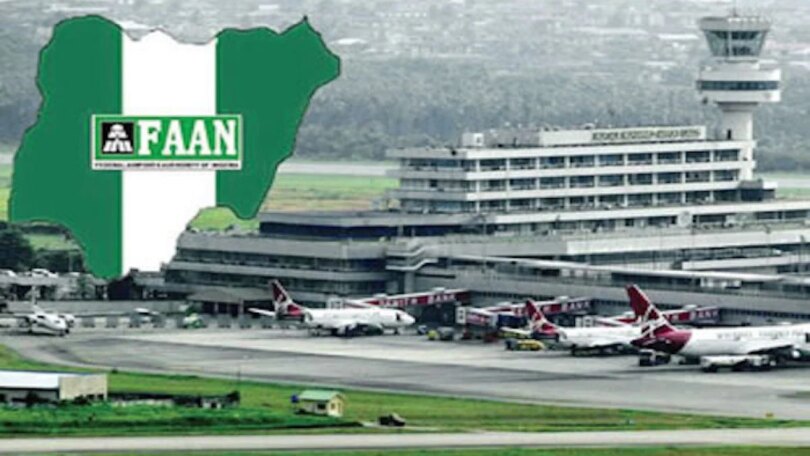
The Federal Airports Authority of Nigeria (FAAN) has dismissed claims linking it to Uber’s decision to withdraw its ride-hailing services from Nigeria.
It disclosed that the company’s exit was driven by its own economic and regulatory considerations.
FAAN Managing Director, Olubunmi Kuku, made this known on Friday while addressing concerns surrounding the relationship between the airport authority and e-hailing operators.
Kuku said FAAN had no role in Uber’s decision to end its operations in the country, noting that the company was best positioned to explain the factors behind its withdrawal.
“I can’t speak to Uber’s exit from Nigeria. I am sure they have their own economic and regulatory decisions as to why they chose to exit,” she said.
According to her, FAAN’s engagement with e-hailing companies has primarily been driven by concerns over passenger safety, accountability and the need to provide travellers with a seamless experience within Nigerian airports.
She disclosed that the authority received several complaints from passengers, particularly during the December holiday period, over their experiences with some e-hailing and car-hire operators.
The complaints, she said, included alleged intimidation, excessive charges and instances where passengers were reportedly taken to destinations other than those they had requested.
Kuku said the concerns had also created disagreements between FAAN and some e-hailing operators over who should bear responsibility for drivers using their platforms.
She explained that although FAAN agreed to provide designated pickup zones for e-hailing services at airports, it expected the companies to ensure accountability for drivers operating through their platforms.
“One of the things we struggled with was liability. They wanted dedicated pickup zones, which we agreed to, but when it came to taking responsibility for drivers, they maintained that the drivers were independent contractors and not employees of Uber,” she said.
“That created a major concern for us because of the safety issues being reported by passengers.”
The FAAN boss said the authority subsequently introduced the Airport Car Hire Rank Management System (ACHRAMS) to improve visibility and accountability among transportation operators within the airport environment.
She clarified that FAAN neither collects payments on behalf of drivers nor compels passengers to patronise airport-approved car-hire services instead of e-hailing platforms.
“The choice remains with the passenger. Our responsibility is simply to ensure that those operating within the airport environment can be identified and monitored for safety purposes,” Kuku added.
Her comments come after Uber formally ended its 12-year presence in Nigeria, with its withdrawal taking effect on Wednesday, September 2, 2026.
The global ride-hailing company announced the decision in a message to customers, attributing the move to a review of its business operations.
Uber had launched in Lagos in 2014 and subsequently expanded its ride-hailing presence in the Nigerian market.
The company expressed appreciation to Nigerians for using its platform while apologising for the disruption its exit could cause.
The withdrawal coincided with a broader restructuring by Uber globally, including plans to cut about 3,300 jobs as part of efforts to streamline its operations.
Uber Chief Executive Officer, Dara Khosrowshahi, said the workforce reduction would largely affect management and coordination roles as the company seeks to simplify its organisational structure.
He said Uber’s rapid growth had created additional layers of management and coordination, making parts of its structure less suited to the company’s current scale.
Khosrowshahi said the restructuring was intended to make the company “simpler and faster” while freeing up resources for growth, innovation and emerging opportunities, including autonomous technoloThegy.