The Federal Government is targeting single-digit inflation before the end of 2027, a move expected to create conditions for lower interest rates, cheaper borrowing and faster economic growth.
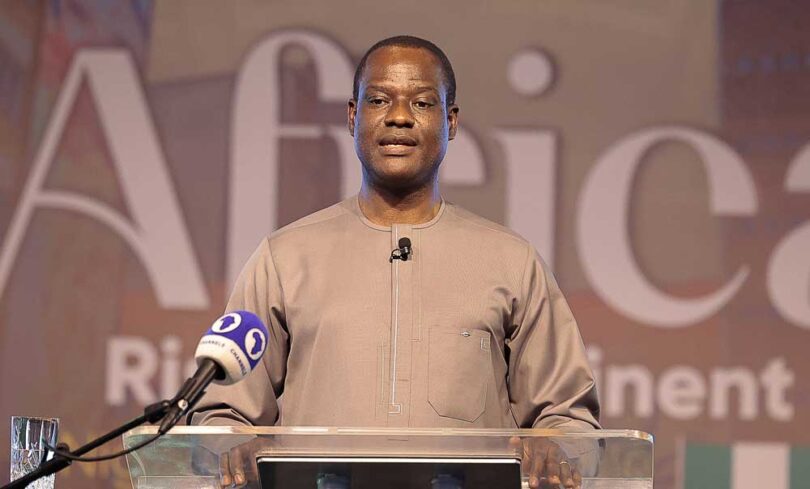
The Minister of Finance and Coordinating Minister of the Economy, Taiwo Oyedele, disclosed this on Monday at the 32nd Nigerian Economic Summit.
Oyedele said the government wanted inflation to fall to single digits before the end of next year, arguing that lower inflation could pave the way for a reduction in interest rates and improve access to credit for businesses.
“Before the end of next year, we want to low, single digit. So that it can create the condition for single-digit interest rate,” he said.
The minister added that reducing borrowing costs could significantly improve economic activity, particularly for businesses seeking financing to expand operations and create jobs.
“If we are growing at 4.43 per cent, borrowing at close to 30 per cent, imagine what is possible when you borrow at single digit?” he asked.
Nigeria’s headline inflation rate stood at 14.63 per cent in September 2026, down from 15.39 per cent in August, according to figures cited in the report.
The decline marked the fourth consecutive monthly moderation in the inflation rate.
Achieving the government’s target would require inflation to fall further from the September level to below 10 per cent before the end of 2027.
Oyedele linked the government’s economic objectives to the reforms undertaken in the foreign exchange market and the removal of petrol subsidies, saying the resulting savings had supported interventions intended to benefit households and businesses.
He said the government had channelled some of the savings into salary increases and wage adjustments, the payment of pension arrears and subsidised credit for small businesses.
The minister argued that the impact of the reforms should not be assessed solely through the country’s economic growth rate, insisting that some of the benefits were already reaching Nigerians.
He cited the difficulties young Nigerians faced in May 2023 in paying for online applications required to access income-generating opportunities, including applications costing as little as $20.
According to him, the government’s interventions were intended to ease some of the financial pressures facing households while supporting economic activity.
The inflation target also reflects the government’s broader objective of reducing the cost of borrowing for both the public and private sectors.
Lower interest rates could reduce financing costs for businesses and ease pressure on government finances by lowering debt-servicing expenses, although the extent of such benefits would depend on how inflation and other economic conditions evolve.
In an earlier statement, Oyedele said achieving single-digit inflation could save Nigeria more than $10bn, arguing that lower inflation and interest rates would reduce pressure on public finances.