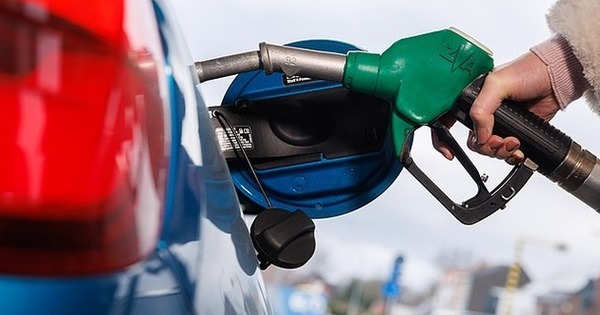
NEW YORK CITY, New York: U.S. drivers are paying sharply higher prices at the pump, with gasoline costs rising about 50 percent since the start of the Iran war, driven by a global energy crunch.
The national average price for a gallon of regular gasoline climbed 31 cents in the past week to US$4.48, according to AAA, reflecting sustained pressure on oil supplies.
The surge is largely tied to disruptions in the Strait of Hormuz, a key shipping route through which about a fifth of the world’s oil typically passes. The conflict has effectively shut the passage, stranding tankers and tightening global crude supply.
Earlier hopes that prices might ease emerged in mid-April after signs of a potential ceasefire briefly pushed fuel costs lower.
“After the announcement of the initial ceasefire, there was kind of optimism that this really could be the beginning of the end of the conflict,” said Rob Smith, director of global fuel retail at S&P Global Energy. “And so crude prices came down correspondingly, gasoline spot prices followed, and so on and … the retailers lowered prices as well.”
That trend quickly reversed as fighting continued. “There’s a fundamental shortfall that will exist globally or a fundamental struggle to meet that demand that will drive up prices,” Smith said. “No matter what a government says or what any market person thinks, there is a true kind of upward pressure that’s being exerted on prices every day the Strait of Hormuz is constrained. And it is still severely constrained.”
Gasoline prices closely track crude oil costs, which make up about half the price of a gallon in the United States, according to the Energy Information Administration. When oil becomes scarce, prices at the pump typically rise in tandem.
The International Energy Agency has described the disruption as one of the largest supply shocks in oil market history, with crude prices reaching as high as $112 a barrel in early April.
“Not much of a mystery here,” said Bob Kleinberg of Columbia University’s Center on Global Energy Policy. “It’s not exactly proportional, but the shape of the curves follows the same pattern, and really with very little delay.”
Additional pressure came when the United States moved to block Iranian oil exports in April, further tightening supply.
“Iran had been moving an unusually high amount of oil to global markets, so that was helping moderate prices,” said Jim Krane of Rice University’s Baker Institute. “The Trump administration decides they’re going to punish Iran, and try to put more pressure on Iran by blocking their exports, so of course that does put pressure on Iran, but also puts pressure on global oil prices and forces them up. That was probably a big factor.”
Experts say there is no quick fix. Even if the conflict eases and shipping resumes, it could take months for oil flows and gasoline prices to stabilize, with lingering risk keeping costs elevated.