
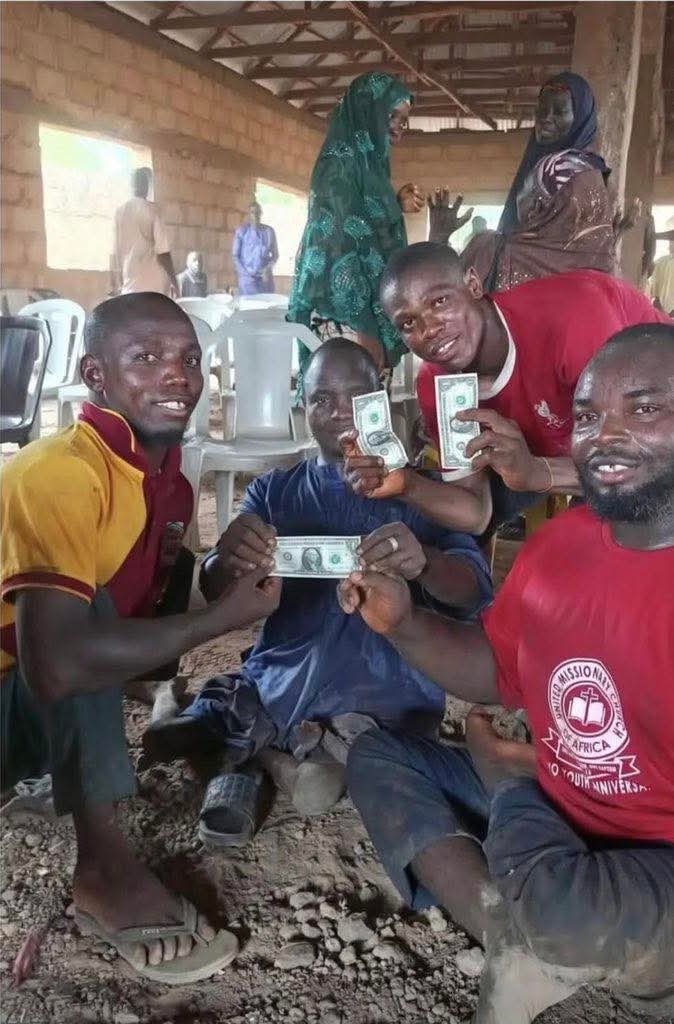
A House of Representatives aspirant has stirred mixed reactions after distributing $1 each to youths in Mokwa, Niger State, in what was described as an “empowerment” initiative. The gesture, which took place during a recent political outreach, has since sparked debate across social and political circles about the meaning of empowerment and the expectations citizens should have from aspiring leaders. ....…
According to witnesses at the event, the aspirant addressed a gathering of young people, promising inclusive representation and opportunities if elected. Shortly after the speech, aides reportedly shared cash gifts equivalent to $1 per person. While some beneficiaries expressed gratitude, others questioned the intent and value of such support, especially in the face of rising economic hardship.
In Nigeria’s current economic climate, where inflation continues to erode purchasing power, many observers argue that symbolic gestures like this fall short of meaningful empowerment. Critics say real empowerment should involve sustainable initiatives such as skills acquisition programs, job creation, access to education, and support for small businesses. To them, handing out small cash amounts risks being perceived as political tokenism rather than a genuine effort to uplift communities.
However, supporters of the aspirant have defended the move, describing it as a simple act of goodwill rather than a comprehensive empowerment scheme. They argue that small gestures can still resonate, particularly in underserved communities where any form of assistance is appreciated. Some also noted that such outreach events often serve as entry points for broader engagement between politicians and constituents. ....…
The incident has once again brought attention to the broader issue of vote-buying and the ethics of political campaigning in Nigeria. Electoral observers have long warned against practices that may influence voter behavior through immediate material incentives, stressing the need for issue-based campaigns focused on long-term development goals.
For many young people in Mokwa, the moment has become a talking point about accountability and the kind of leadership they hope to see. As the election season approaches, constituents are increasingly calling for politicians to present clear, actionable plans that address unemployment, infrastructure, and economic growth.
The controversy surrounding this $1 “empowerment” highlights a deeper conversation about governance, expectations, and the responsibility of political aspirants to deliver more than symbolic gestures. As public scrutiny grows, candidates may find that voters are paying closer attention not just to what is given, but to what is promised and ultimately, what is delivered.