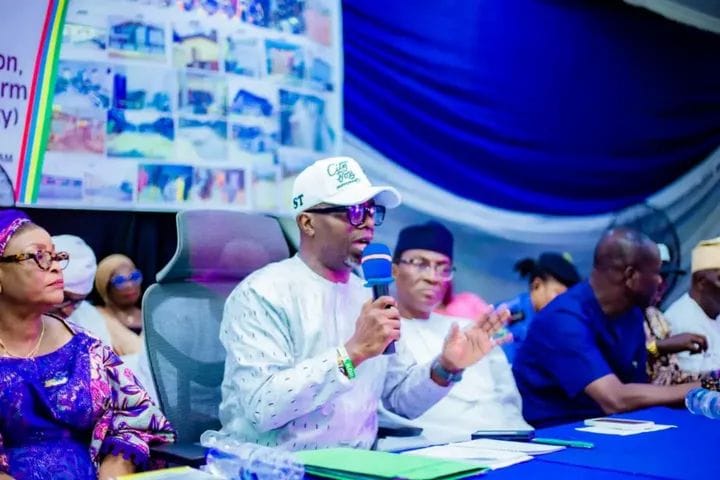
He emphasised the need to strengthen primary healthcare, improve educational outcomes, expand digital opportunities, accelerate infrastructure development and support local economic growth. He also assured stakeholders that their contributions would inform budget preparation, project prioritisation and resource allocation, stressing
In furtherance of this commitment, the council’s budget retreat commences today, November 26, 2026, with a major focus on reviewing and incorporating the outcomes and recommendations of the 2027 Budget Stakeholders’ Consultative Forum into the proposed budget framework.
This critical stage will bring the budget preparation process closer to translating the people’s submissions into practical policy decisions, project priorities and financial allocations. It demonstrates that the stakeholders’ engagement is not merely an exercise in consultation but an integral part of the council’s actual planning and budgeting process.
The retreat provides an opportunity for the relevant officials and budget planners to review the submissions, assess their feasibility against available resources, establish priorities and align proposed interventions with the administration’s development agenda.
Ultimately, it is this connection between community consultation and actual budget formulation that gives participatory governance its true meaning.
The inclusive governance approach also received commendation from the Chairman of the Community Development Committee, Pastor Segun Fayemi and the representative of Persons Living With Disabilities, Comrade Abbas. Both praised the Chairman during the “Budget Stakeholders Meeting” for creating an enabling environment where different segments of society have a voice and a sense of belonging in government planning and decision-making.
They also acknowledged his open-door policy, which has strengthened communication and coordination between the council and its communities, promoting more responsive and accessible governance.
The Ojodu LCDA experience offers valuable lessons for other local governments and other levels of government. Participatory budgeting should go beyond fulfilling statutory requirements to become an established mechanism for policy formulation, project prioritisation, implementation and evaluation.
Other administrations can adopt ward-based consultations, inclusive stakeholder representation, community project monitoring and regular feedback mechanisms to improve transparency, accountability and service delivery.
Good governance should not be measured solely by the number of projects executed but also by how effectively government listens and responds to the people.
Odunmbaku’s approach demonstrates that inclusive governance means giving citizens more than a voice; it means giving them a genuine stake in the decisions that shape their communities.
The enduring lesson from Ojodu LCDA is simple: sustainable development happens when government does not merely govern the people, but works with them to determine how best they should be served.