

United States Vice President JD Vance on Thursday directed pointed criticism at Israel after senior Israeli ministers rejected the memorandum of understanding (MoU) signed a day earlier by President Donald Trump and Iranian President Masoud Pezeshkian to end the US-Iran war.
Speaking in an interview with The New York Times, Vance responded to objections from far-right Israeli ministers Bezalel Smotrich and Itamar Ben-Gvir, who have opposed any agreement that stops short of dismantling Iran’s military and nuclear capabilities entirely.

“What is your exact proposal? You’re a country of nine million people. You can’t just kill your way out of solving every single national security problem that you have,” Vance said, according to the newspaper.
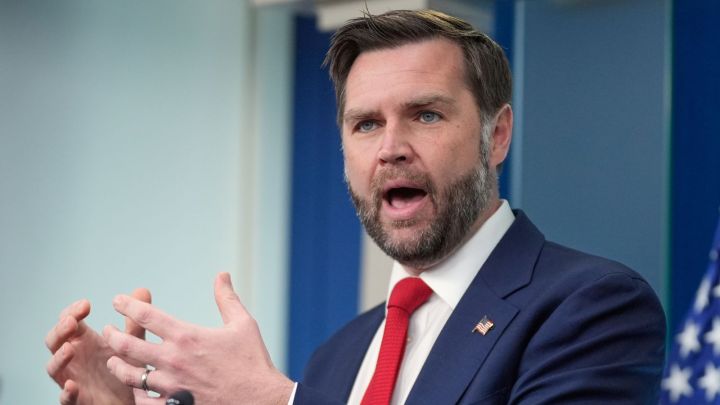
He called on Israeli officials to allow negotiations to proceed and to give Washington credit for its role as a long-standing partner.
What the MoU commits to and what it leaves open
The agreement, signed on 17 June, reopens the Strait of Hormuz, lifts the US naval blockade of Iranian ports and commits both parties to ending hostilities across all fronts, including in Lebanon. It also includes immediate sanctions waivers on Iran’s fossil fuel exports and a pledge to establish a $300 billion reconstruction fund, alongside commitments to unfreeze Iranian assets and remove remaining sanctions over time.
Story continues below this ad
On the nuclear question, the MoU requires Iran to dilute its stockpile of highly enriched uranium in place, but defers all broader questions about its nuclear programme to 60 days of follow-on negotiations. Vance said on Thursday those talks could begin as early as this weekend.
The agreement does not address Iran’s ballistic missile programme or its support for armed groups in the region issues that remain central concerns for Israel and hawkish members of the US Congress. Vance said he hoped future negotiations would produce a commitment preventing Iran from developing missiles capable of threatening the broader region, but stepped back from earlier administration pledges to eliminate Iran’s ballistic weapons capacity entirely.
“You can’t tell a country, whether Israel or Iran, they’re not allowed to have any self-defence,” he said at a subsequent White House press conference on Thursday.
Trump administration frames war as a victory regardless of outcome
Vance defended the agreement against criticism from Democratic lawmakers and a number of Republicans, who have argued it yields no concessions from Tehran that could not have been secured through earlier diplomacy.
Story continues below this ad
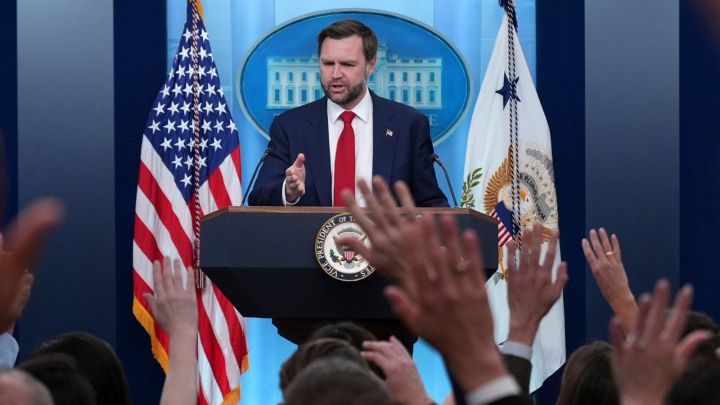
The vice president maintained the war had produced tangible gains for Washington degrading Iran’s nuclear infrastructure, weakening its conventional military and damaging its economy and framed these as durable regardless of whether negotiations succeeded.
“If the Iranians don’t change their behaviour, their military and their nuclear programme is still destroyed. If they do change their behaviour, then they are going to have a transformative relationship with the Middle East,” he said. “That’s a win for the American people and for the President of the United States, regardless of which option the Iranians ultimately choose.”
Trump, speaking from the G7 summit in France, separately called for Israeli restraint in its military operations against Hezbollah in Lebanon, which have threatened to complicate the ceasefire framework. “Too many people have been killed,” Trump said, adding that Israel should not destroy residential buildings in the course of targeting combatants.
The MoU does not settle the future status of the Strait of Hormuz or prevent Iran from imposing transit fees on commercial shipping a point of ongoing dispute. Vance said any eventual agreement would seek to ensure the strait was never used as a chokepoint for global commerce.