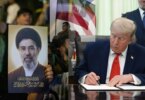
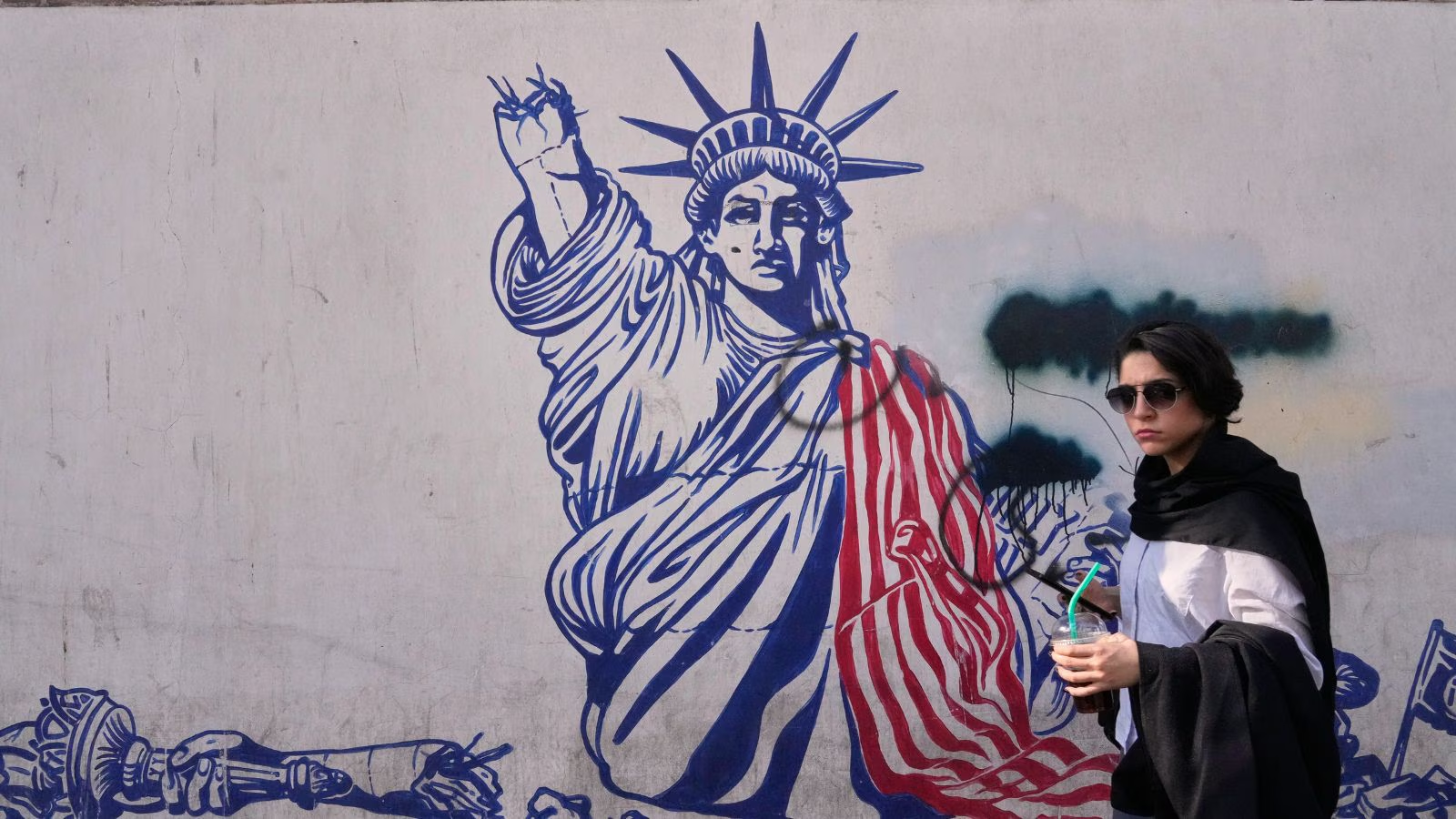
US President Donald Trump said on Saturday that a peace agreement with Iran would be signed Sunday, June 14, with the Strait of Hormuz reopening immediately afterward.
Iranian officials, however, pushed back within hours, saying the deal would not be signed Sunday though it could come “in the coming days.” Pakistan, the lead mediator, says the two sides have agreed on a final text and is preparing for an electronic signing.
After roughly three months of war, an agreement would extend a fragile ceasefire that has been in place since early April and reopen Hormuz, a corridor that normally carries about a fifth of the world’s oil and gas. Gulf states have described the resulting disruption as one of the worst global energy shocks in decades, and it has helped push US inflation to multi-year highs.
Driving the news
Pakistani Prime Minister Shehbaz Sharif said Friday that negotiators had landed on agreed final wording and that Islamabad was preparing for an electronic signing followed by technical-level talks next week, calling the moment the closest the region has come to peace. Trump echoed that on Truth Social, saying the deal would be signed Sunday and that Hormuz would reopen “automatically” once it was.
Iran’s account is more cautious. Foreign Minister Seyed Abbas Araghchi said the so-called Islamabad memorandum of understanding has “never been closer” but stressed nothing has actually been signed, describing a two-stage process first a memorandum, then negotiations on the issues still outstanding.
Story continues below this ad
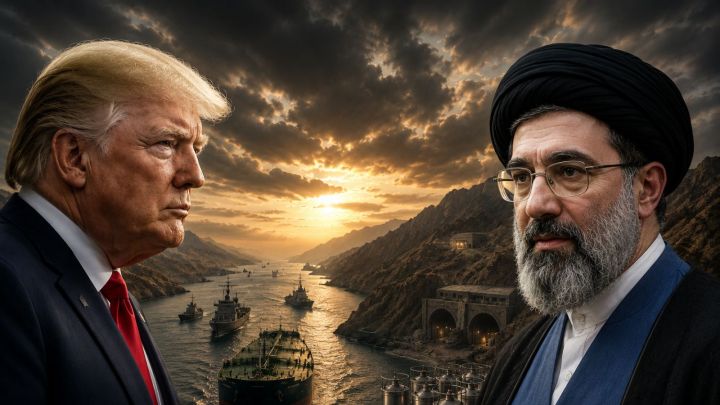
Hours after Sharif’s announcement, a foreign ministry spokesperson said flatly that the agreement would not be signed Sunday. One Western source told Reuters the document could still be signed as early as Sunday, electronically, by Vice President JD Vance and Iranian parliament speaker Mohammad Bagher Ghalibaf, with Geneva floated as a possible venue.
What’s in the draft
According to US officials and Axios reports, the document is a 60-day memorandum of understanding effectively an extension of the ceasefire that has held, unevenly, since April 8 that could be renewed. Reported terms include:
- A 60-day extension of the US-Iran ceasefire
- Reopening of the Strait of Hormuz, with Iran clearing naval mines and shipping returning to pre-war volumes within roughly 30 days
- No tolls on traffic through the strait during the 60-day window
- The US lifting its naval blockade of Iranian ports
- Limited sanctions waivers letting Iran resume oil sales, plus release of roughly half of about $24 billion in frozen Iranian assets before further talks begin
US forces would remain in the region through the 60-day period, with any drawdown tied to a more permanent agreement. Officials describe the sanctions and asset-release provisions as “relief for performance” tied to Iran taking verifiable steps rather than granted upfront.
The nuclear sticking point
This is where the two sides’ versions diverge most. Sources told CBS News the framework includes an in-principle Iranian commitment not to enrich uranium for 15 to 20 years and to dismantle its nuclear sites, in exchange for the staggered financial relief described above.
Story continues below this ad
But Araghchi has said Iran wants to retain its enriched uranium stockpile in diluted form and has not agreed to dismantle its program and a US official disputed the more sweeping account of what’s been agreed.
Reports also point to discussion of war reparations for Iran and a possible US retreat from earlier demands to limit Tehran’s missile program, though that too is contested. US officials say sanctions relief beyond the initial steps will depend on Iran engaging seriously in nuclear negotiations and that the truce itself may not survive the full 60 days if that engagement doesn’t materialize.
What each side is saying
Washington frames the draft as meeting Trump’s core demands and putting talks “in a very good place.”
Tehran’s public framing is notably different: Araghchi has called the outcome a victory, saying Iran emerged from the war stronger and that “our sword will always hang over the Strait of Hormuz.”
Story continues below this ad
That framing has not gone over well at home hardliners staged a protest in Mashhad against Araghchi, accusing negotiators of conceding too much and giving up leverage over Hormuz.
Prime Minister Netanyahu, for his part, said Israel won’t be a party to the agreement at all and has clashed with Trump over US pressure on Israel to curb operations in Lebanon. US officials say any ceasefire arrangement won’t be “one-sided,” and that Israel retains the right to respond if Hezbollah resumes attacks.
How we got here
Trump spent Saturday on calls from the Oval Office with the leaders of Saudi Arabia, the UAE, Qatar, Turkey, Egypt, Jordan and Bahrain, plus Netanyahu, all focused on locking down terms with Tehran.
Pakistan has been the central mediator throughout, building on an April truce it helped broker after Trump threatened, then paused, a major strike on Iran.
Story continues below this ad
Both sides describe the gap as narrow but real. Even a signed memorandum would only buy 60 days and a promise of further talks not a resolution of the nuclear dispute that’s been at the center of the standoff for over a year.
(With inputs from agencies)