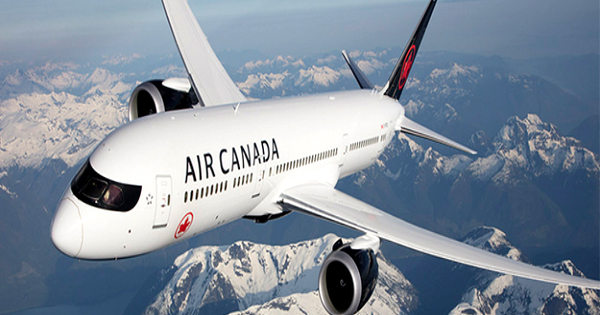
NEW YORK CITY, New York: Air Canada will suspend flights to New York’s JFK International Airport for nearly five months as soaring jet fuel costs linked to the Iran war force airlines to cut less profitable routes.
Canada’s flag carrier said it will halt services from Toronto and Montreal to JFK starting June 1, with operations set to resume on October 25. Flights to the New York metropolitan area’s other major airports — LaGuardia and Newark — will continue as scheduled.
The airline currently operates 34 daily flights to LaGuardia and Newark from six Canadian cities, offering alternative travel options for passengers affected by the suspension at JFK.
Air Canada said it will contact impacted customers and provide alternate travel arrangements.
“As jet fuel prices have doubled since the start of the Iran conflict, and some lower profitability routes and flights are no longer economic, we are making schedule adjustments accordingly,” a spokesman for the Montreal-based carrier said.
The move highlights the growing strain on airlines as fuel prices surge amid disruptions caused by the conflict. Jet fuel costs have risen sharply, with the average price reaching US$4.32 per gallon on April 16, up from US$ 2.50 before the war began, according to Argus Media.
Airlines typically rank fuel among their largest operating expenses, alongside labor. The recent spike has forced carriers globally to rethink routes, increase fees, and adjust capacity.
The broader energy market showed some signs of easing on April 16, with oil prices dropping more than 10 percent after Iran said the Strait of Hormuz had reopened to commercial tankers transporting oil from the Persian Gulf.
However, industry experts warn that volatility is likely to persist.
In an interview with the Associated Press, International Energy Agency Executive Director Fatih Birol said Europe has “maybe six weeks” of remaining jet fuel supplies and described the situation as the global economy’s “largest energy crisis.”
Other airlines are already taking similar steps to offset rising costs. Delta Air Lines said higher fuel prices could add $2 billion to its second-quarter expenses, while carriers such as JetBlue and United Airlines have raised baggage fees in recent weeks.
European airlines have also begun scaling back operations. Lufthansa and KLM have cut services on certain routes where higher fuel costs have made flights financially unviable.
The disruption is also affecting travelers, who are facing higher ticket prices and fewer flight options, particularly as the peak summer travel season approaches.
Air Canada’s decision to suspend JFK services reflects a broader industry trend in which airlines are prioritizing efficiency and profitability amid uncertain fuel supply conditions.
Even as geopolitical tensions show signs of easing, analysts say the aftereffects of the crisis, including elevated fuel prices and tighter supply, could continue to impact airline operations in the months ahead.